
Academics
An inquiry-led foundation that builds confidence, clarity and strong conceptual understanding.
Conceptual Understanding
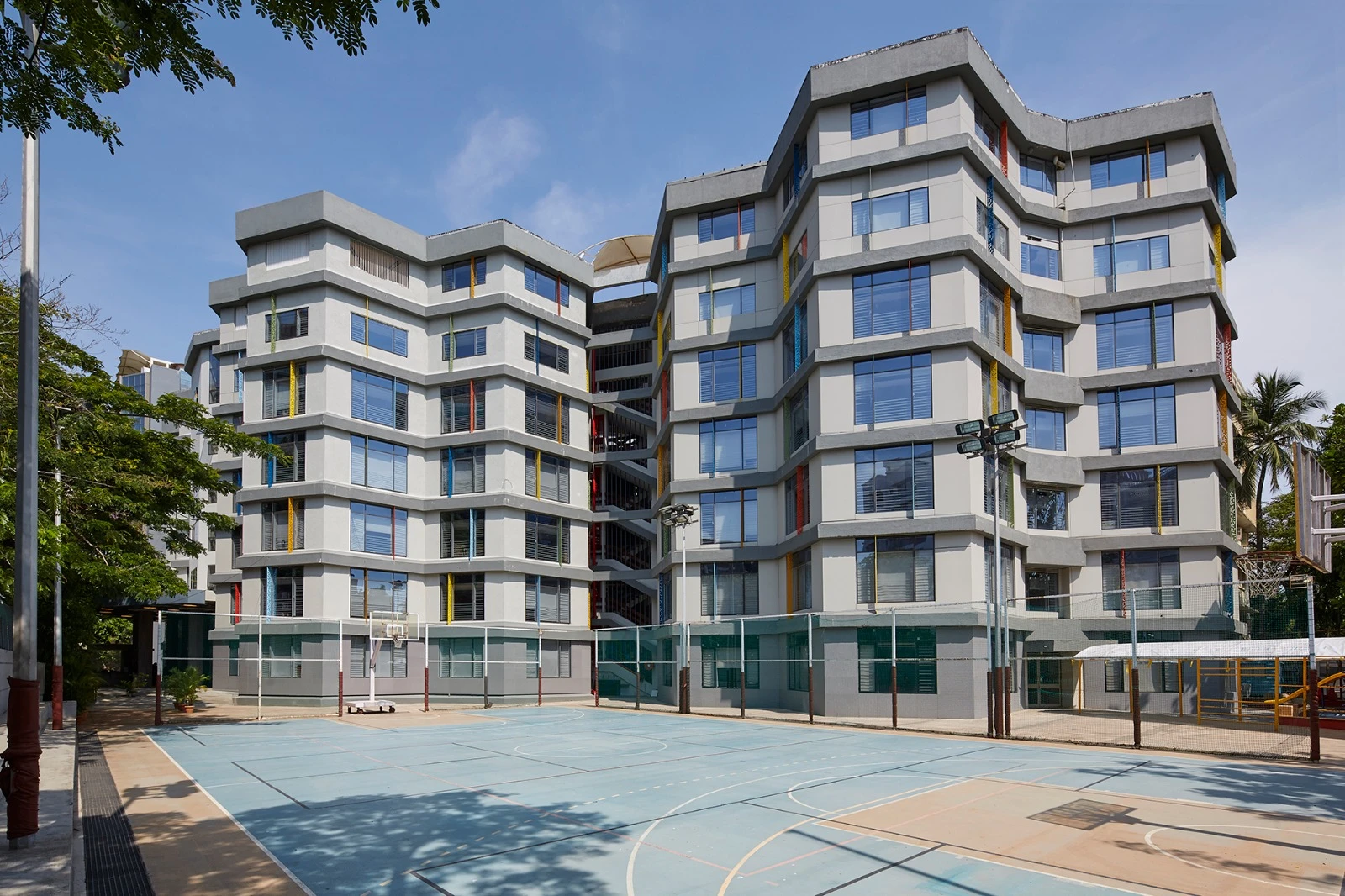

At JNIS, the academic journey is designed to feel connected, progressive and deeply student-centred. Each stage builds on the one before it, creating a culture where inquiry, reflection and ambition come together in a meaningful way. Students are encouraged to ask thoughtful questions, engage with ideas from different perspectives and grow with confidence through experiences that are both intellectually enriching and personally meaningful.
Whether students are beginning with foundational curiosity or preparing for advanced study, every programme offers space for exploration, stronger thinking and purposeful achievement. The path may look different at each stage, but the outcome remains the same: confident, globally minded learners ready for what comes next.
Lorem ipsum dolor sit amet consectetur adipisicing elit. Qui ducimus magnam veniam repudiandae quam velit eius natus adipisci dolore fuga, eligendi laborum autem nesciunt voluptates veritatis quasi perferendis commodi quis!
Lorem ipsum dolor sit amet consectetur adipisicing elit. Qui ducimus magnam veniam repudiandae quam velit eius natus adipisci dolore fuga, eligendi laborum autem nesciunt voluptates veritatis quasi perferendis commodi quis!

An inquiry-led and balanced learning journey that helps students grow across academics, creativity, sport, values and global readiness.
An inquiry-led foundation that builds confidence, clarity and strong conceptual understanding.

Creative opportunities that nurture expression, leadership and collaborative growth.
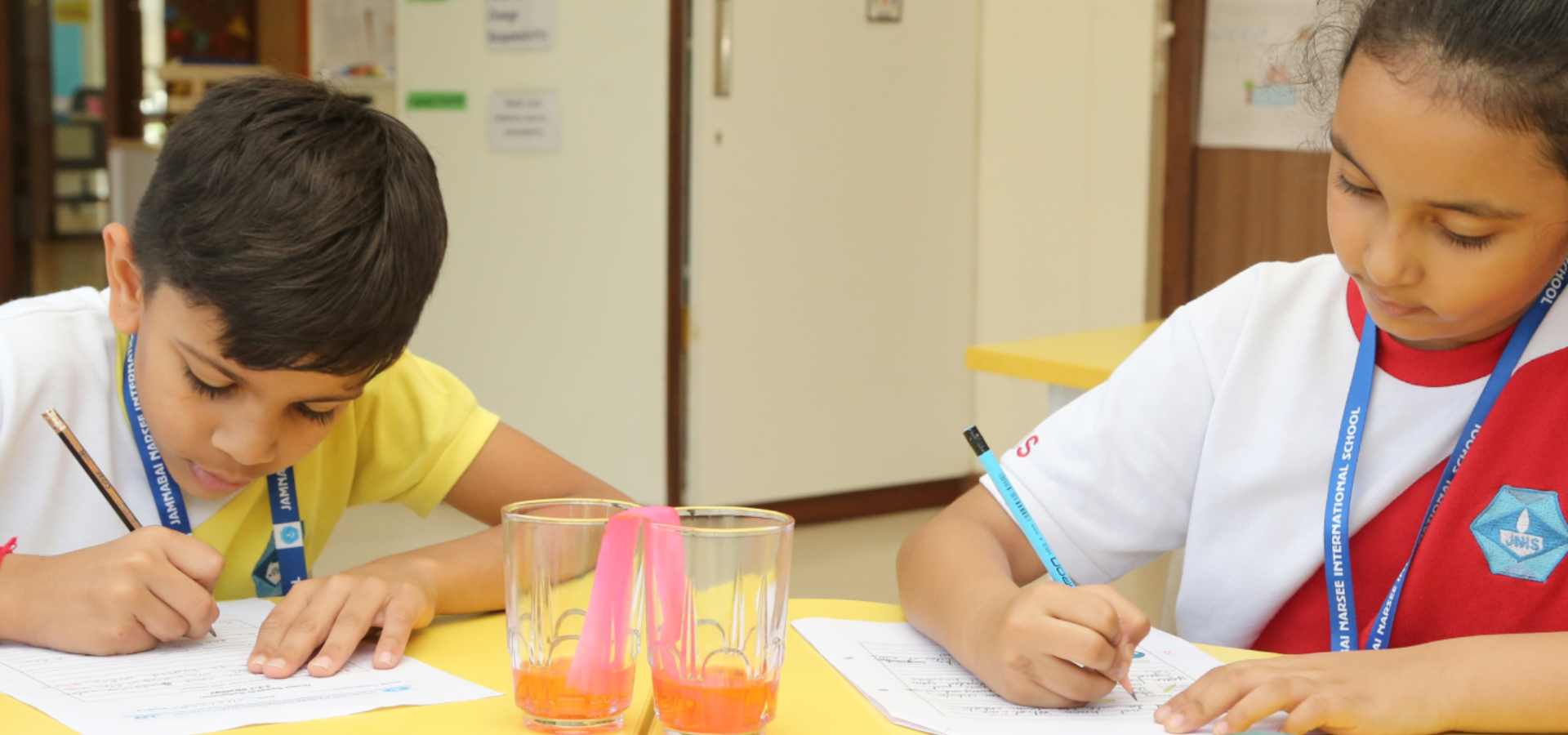

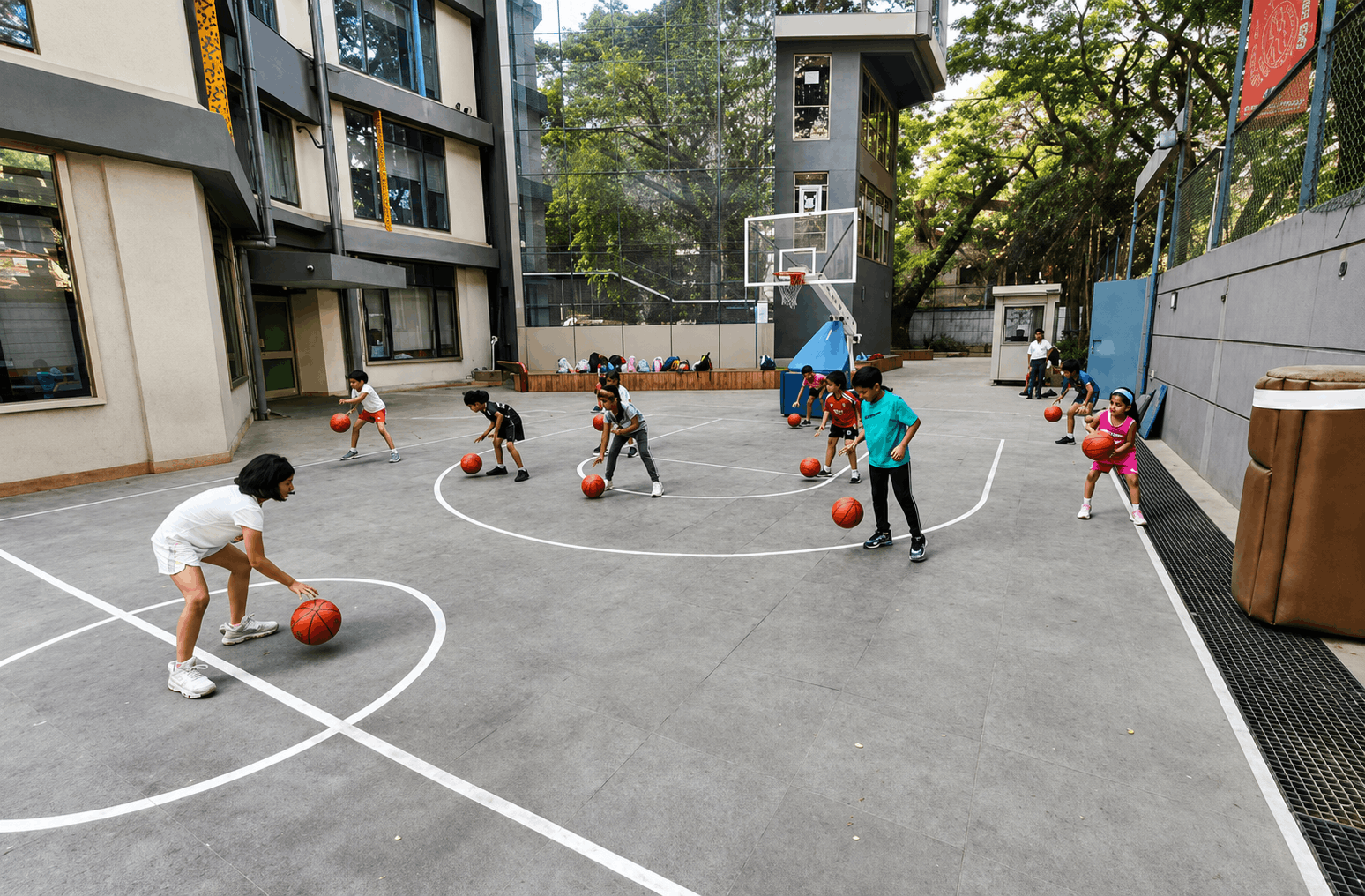
A balanced physical programme that strengthens stamina, resilience and team spirit.
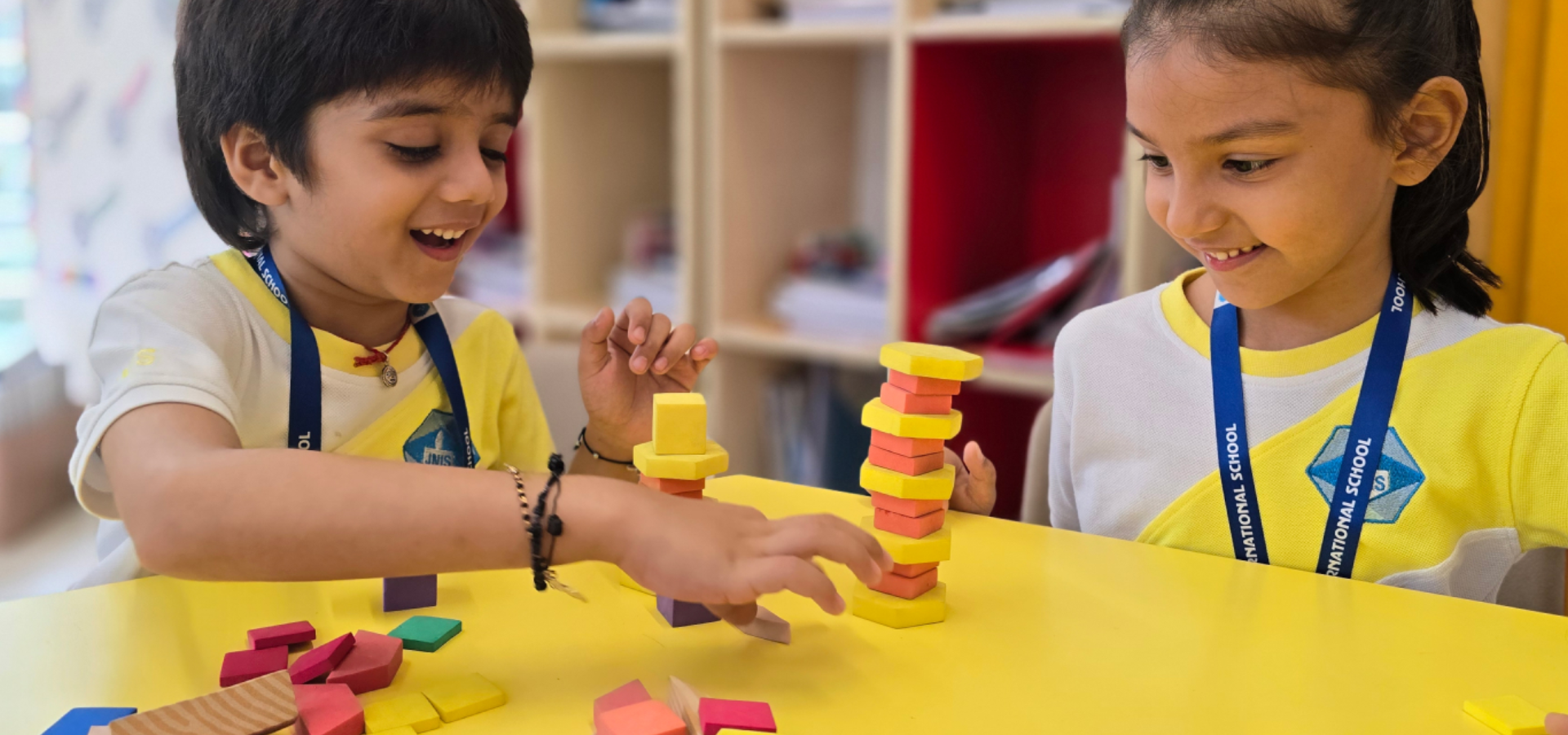

Character-building experiences that anchor learning in empathy, ethics and community.

Future-focused learning that prepares students to navigate complex global pathways.
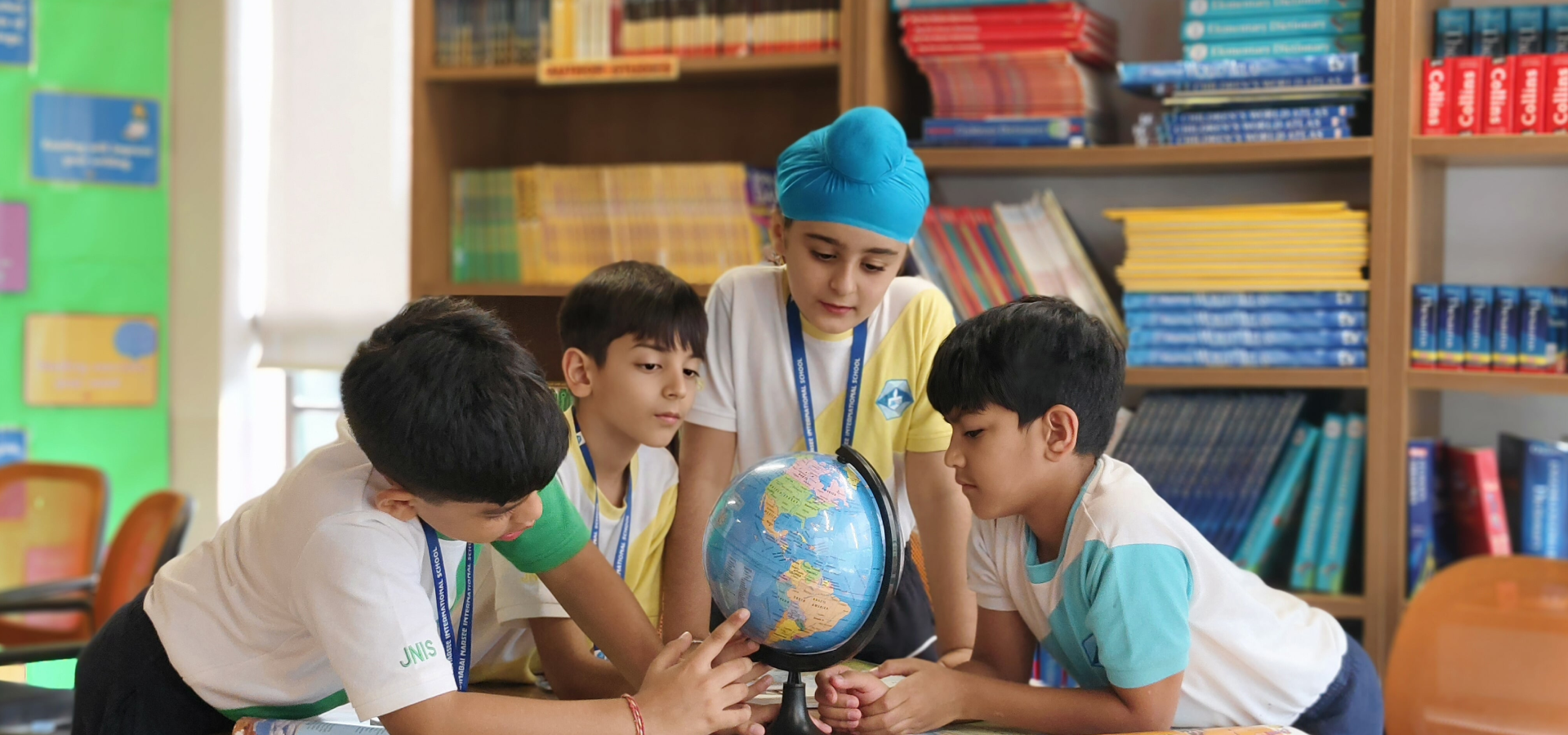
At JNIS, every learning experience is designed to shape thoughtful, capable and confident individuals who can collaborate, lead with empathy and contribute meaningfully in a changing world.
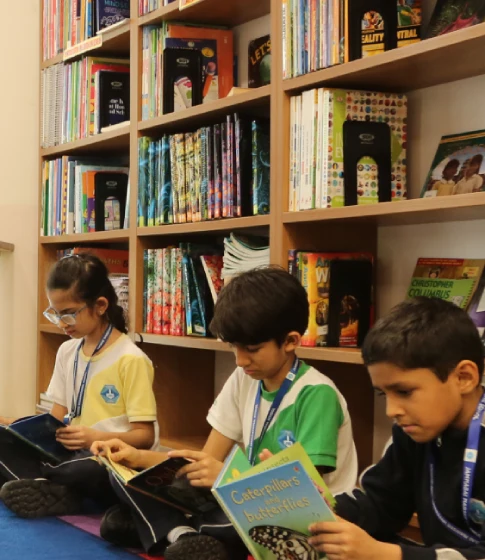
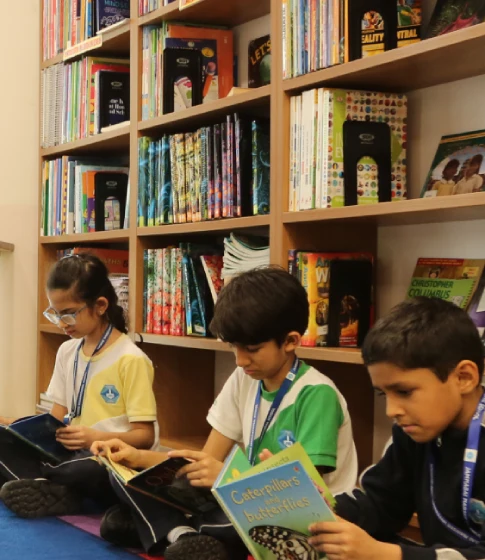
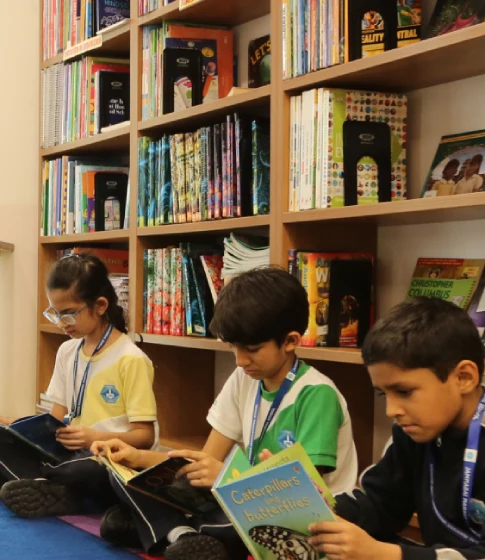
Our library nurtures reading, research and independent learning through a thoughtfully curated collection of print and digital resources. It gives students a calm, inspiring space to explore ideas and deepen understanding.
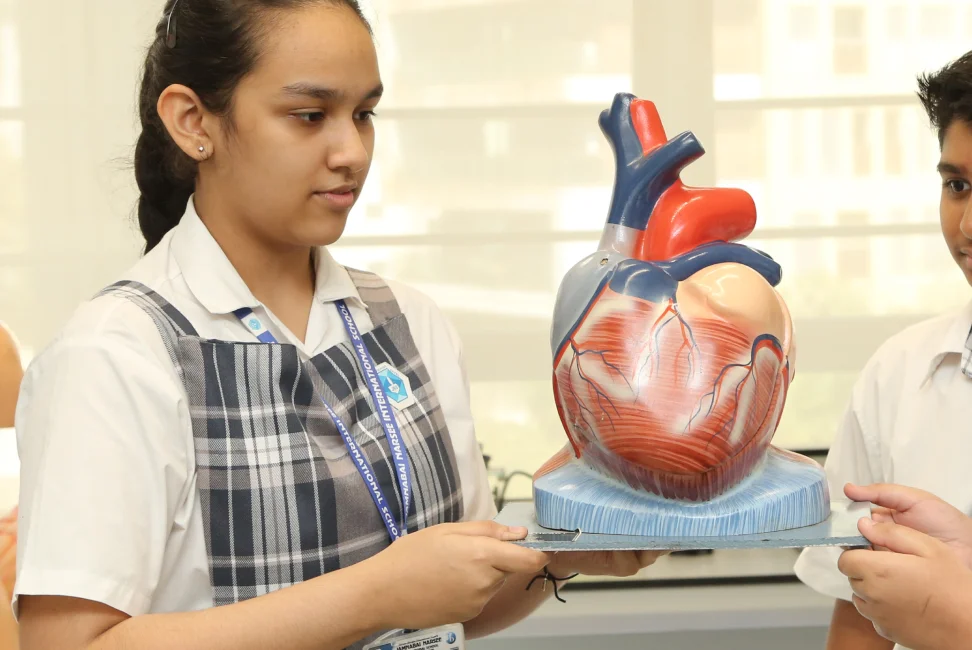
Students benefit from seamless access to digital tools, platforms and learning resources that support collaboration, creativity and flexible exploration. Technology is integrated meaningfully to enrich everyday learning.
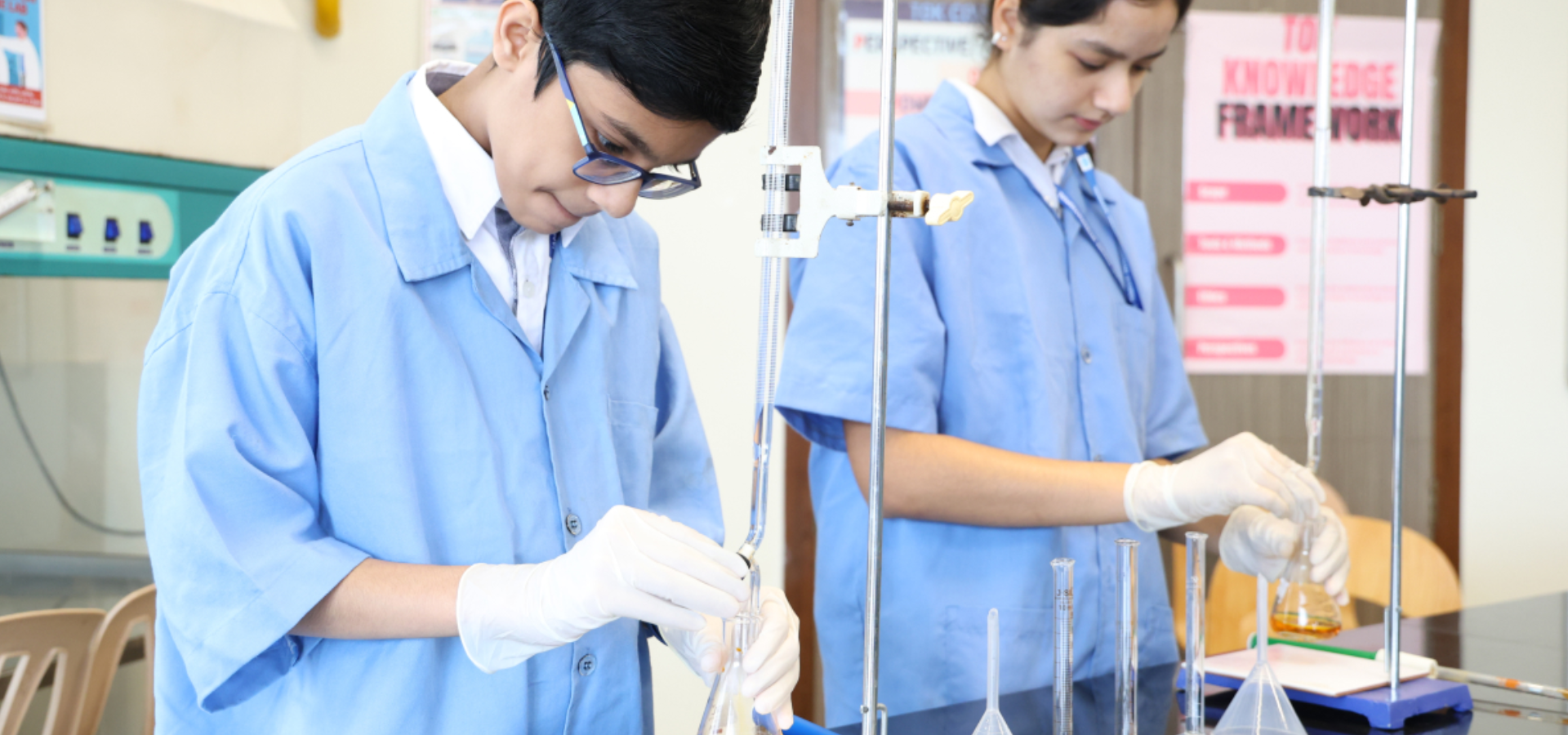
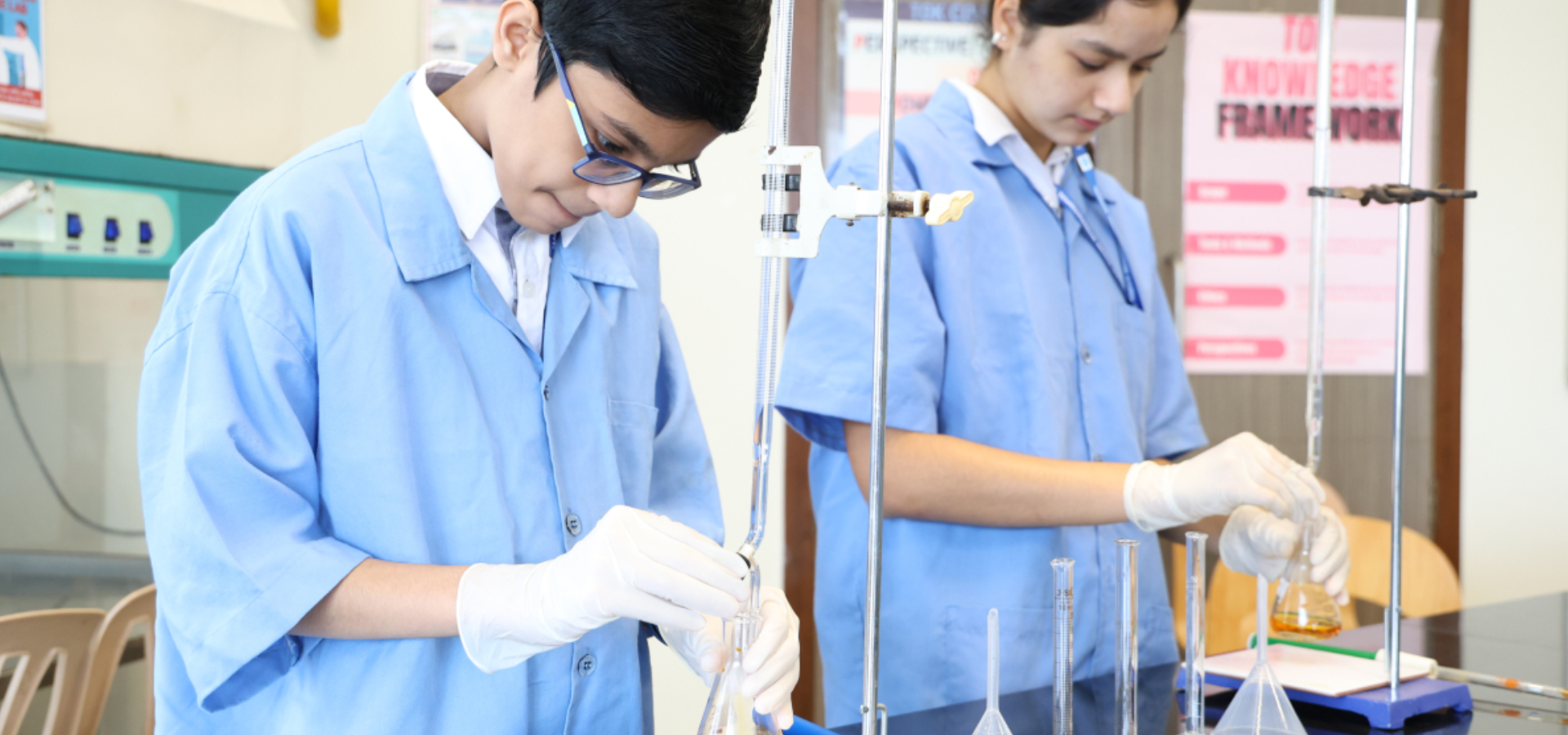
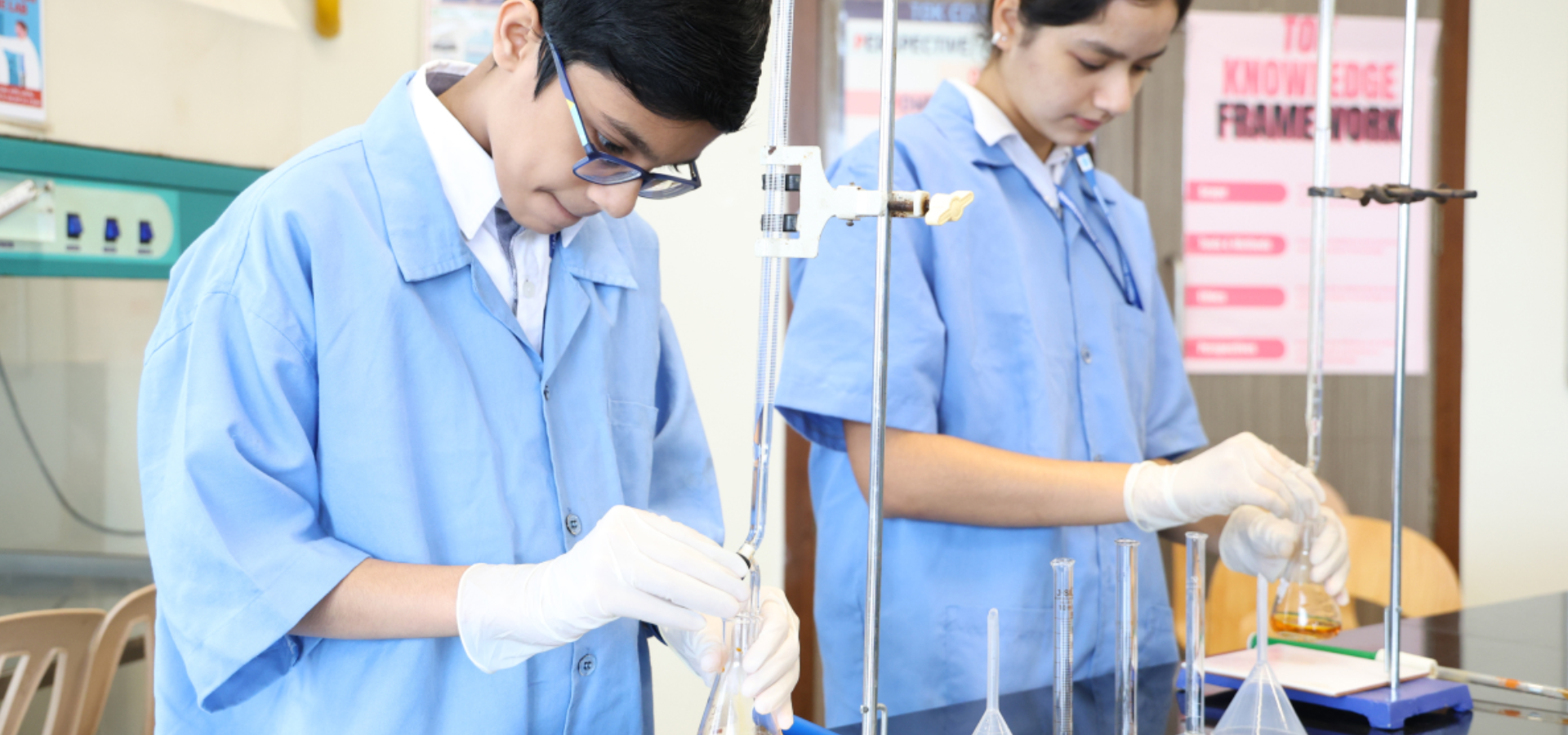
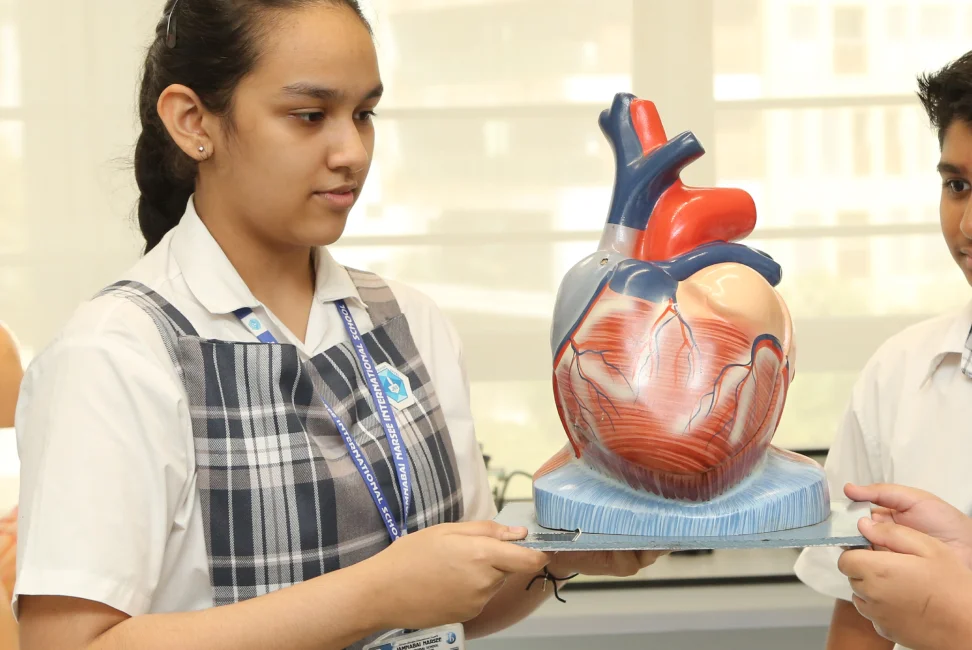
Our lab spaces encourage experimentation, observation and hands-on discovery. Students build scientific thinking, problem-solving skills and confidence by engaging directly with practical learning experiences.
Hear from our students, parents, and partners who make JNIS a thriving global community.
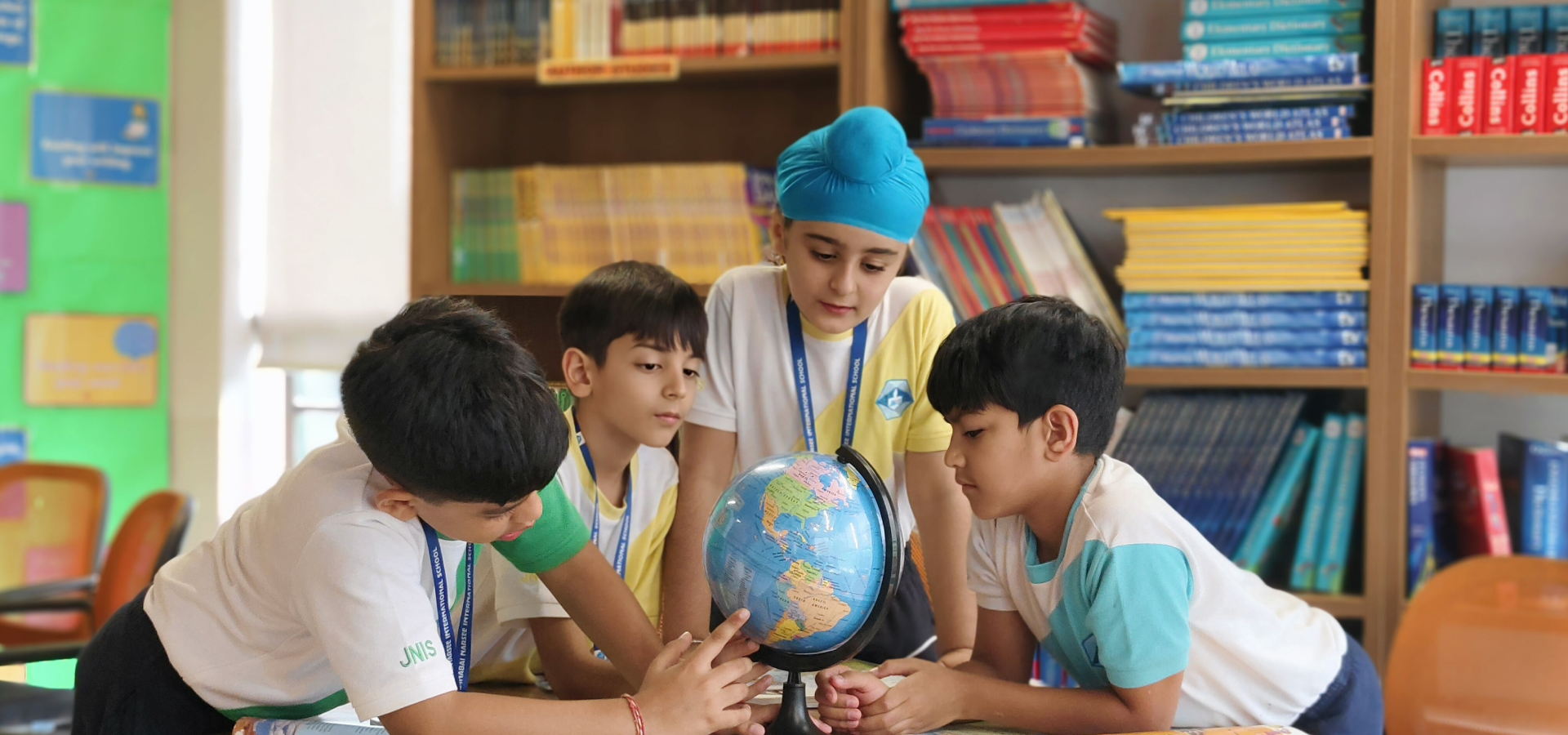
Assemblies build confidence through shared ideas, celebrations, and meaningful participation in school community life.
VIEW STORY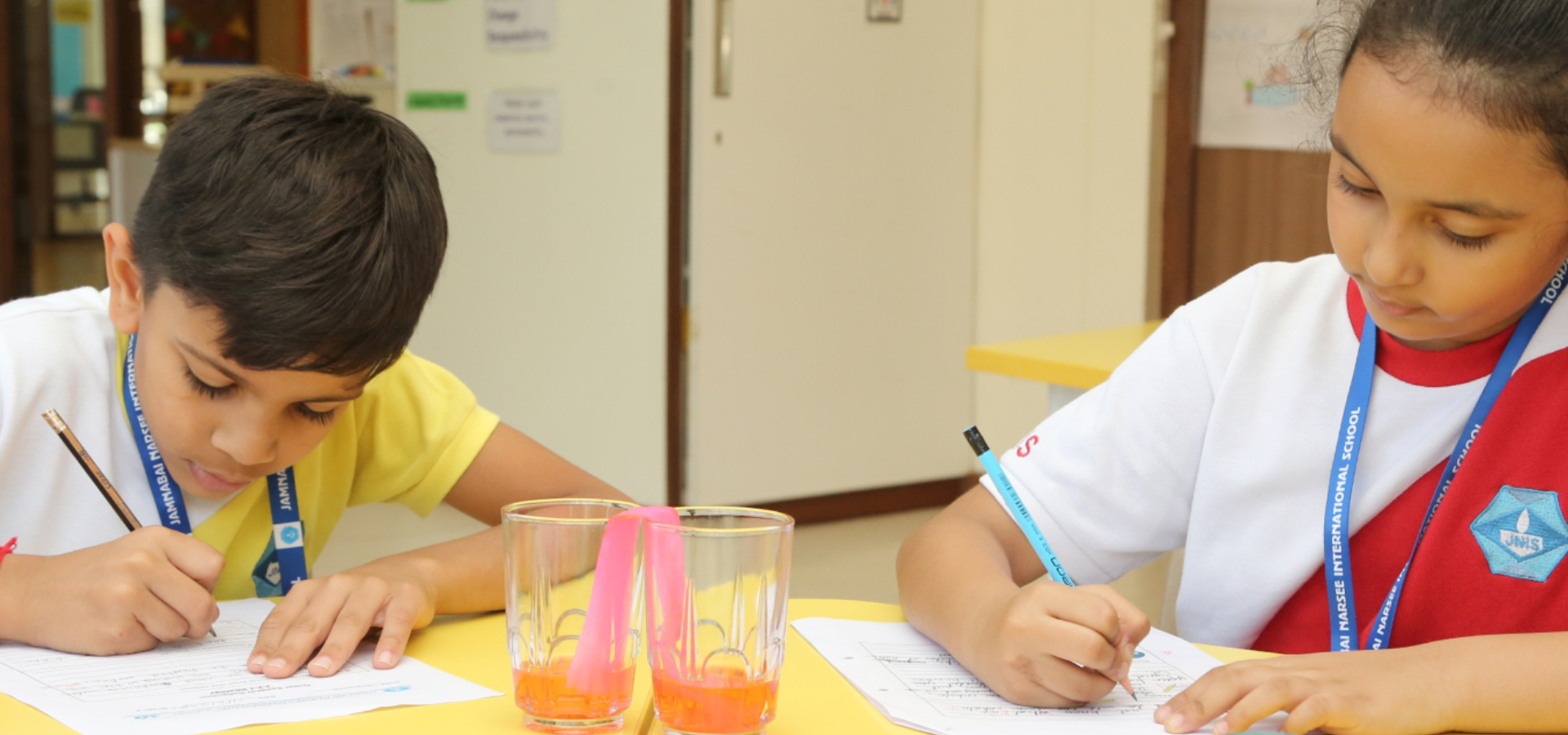
Students reflect on progress, present work, and take ownership of their learning journey.
VIEW STORY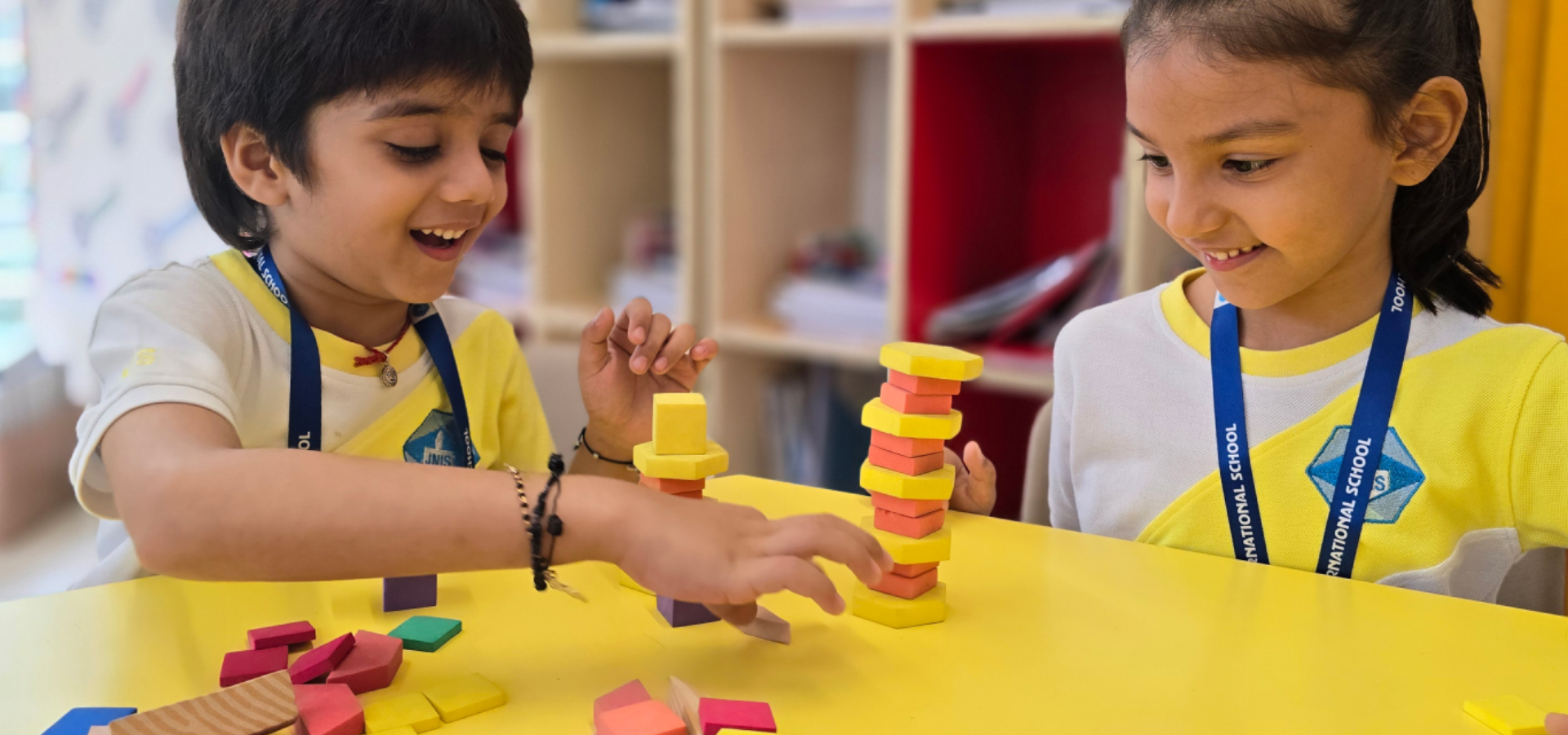
Students showcase learning through presentations, projects, and celebrations that make understanding visible.
VIEW STORY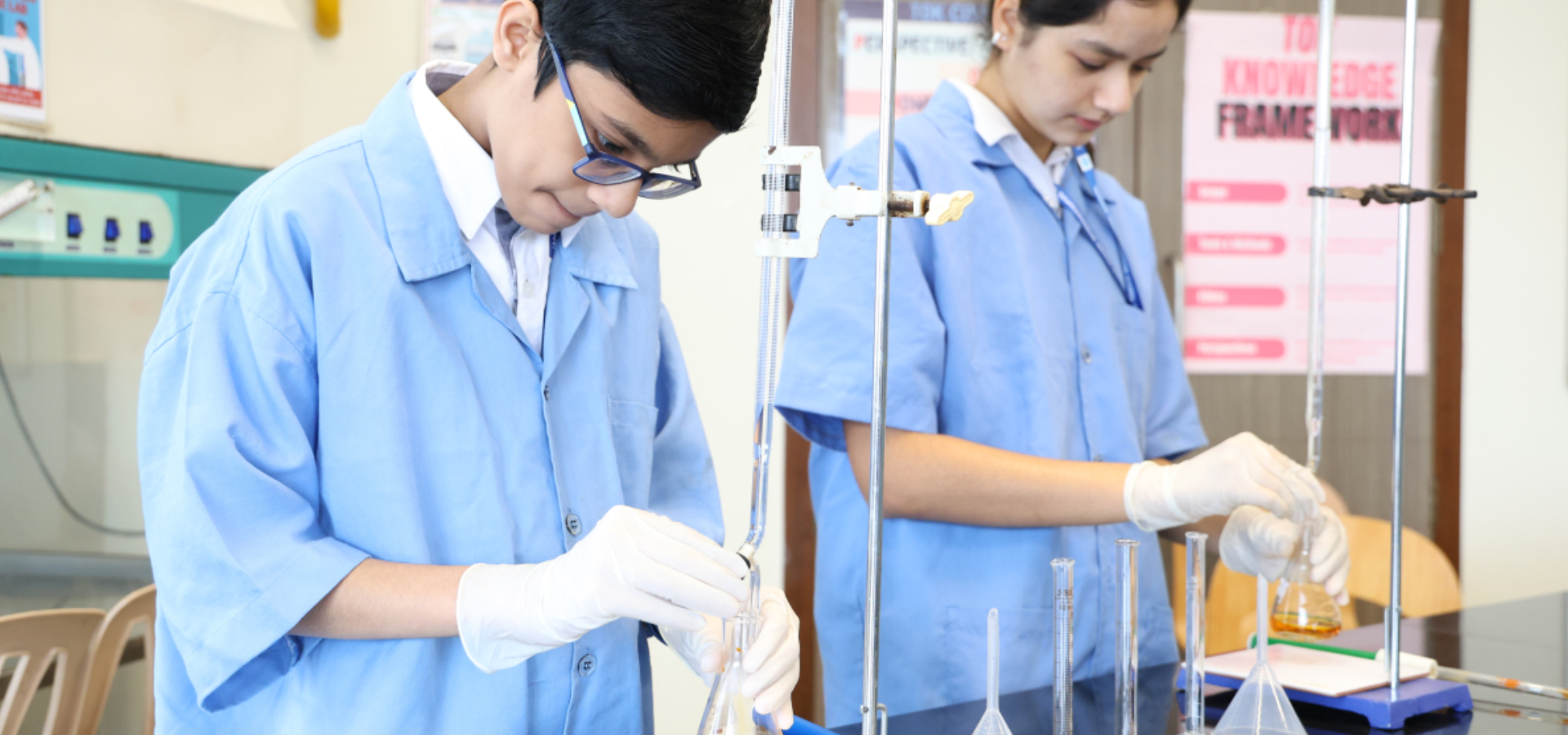
The bridge program helps students adjust confidently to new routines and expectations.
VIEW STORY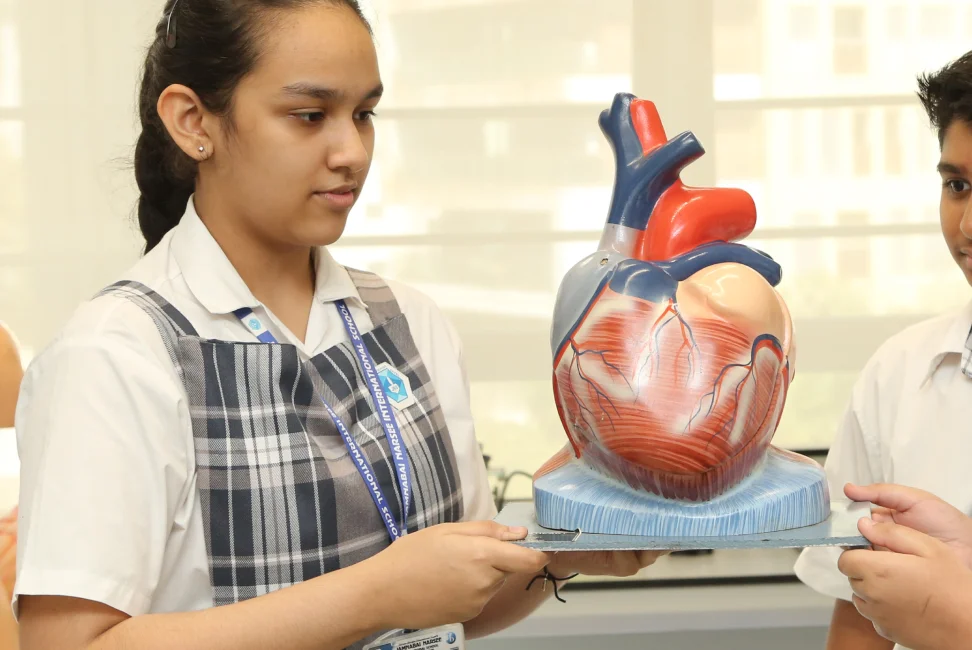
Students, parents, and teachers discuss growth, goals, and next steps together.
VIEW STORY
Parents connect with school through open conversations, shared understanding, and warm collaboration.
VIEW STORYAt JNIS, we believe every child carries the potential to shape tomorrow. Through hands-on projects, collaborative thinking and purposeful exploration, learners develop confidence, creativity and curiosity.
Work together and share ideas.
Ask questions and discover.
Create solutions for tomorrow.
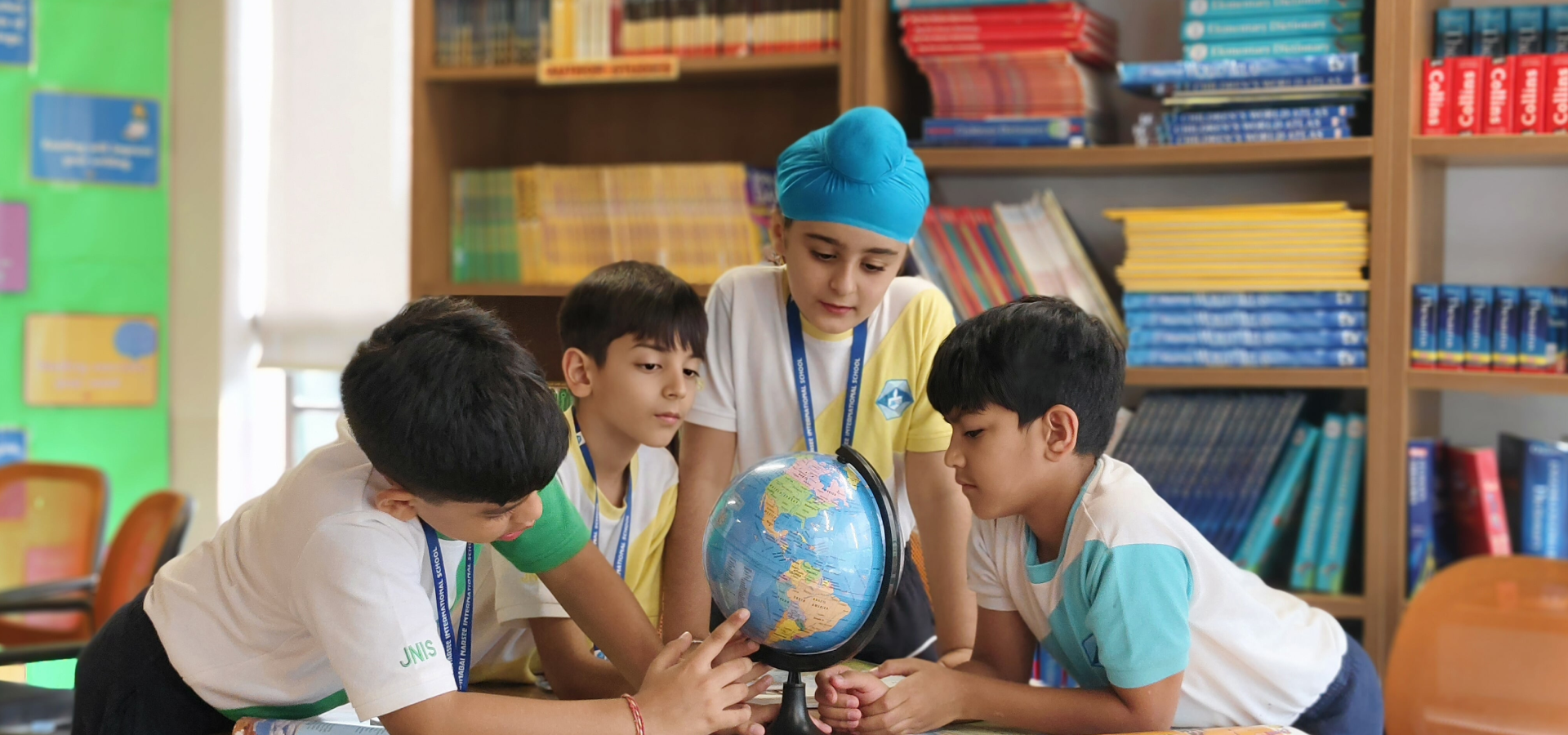 Creative Collaboration
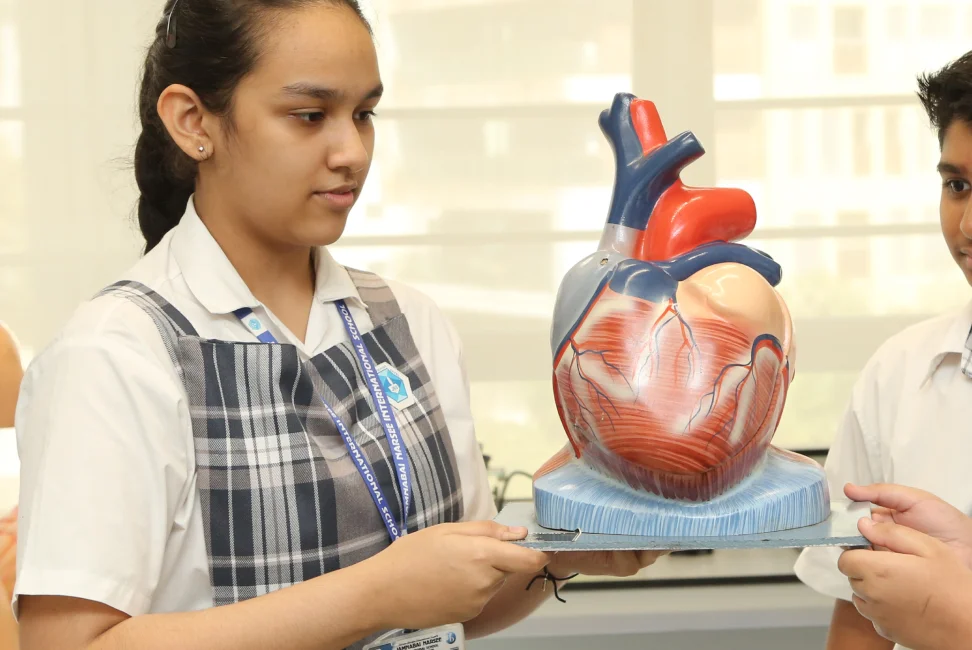 Hands-On Learning
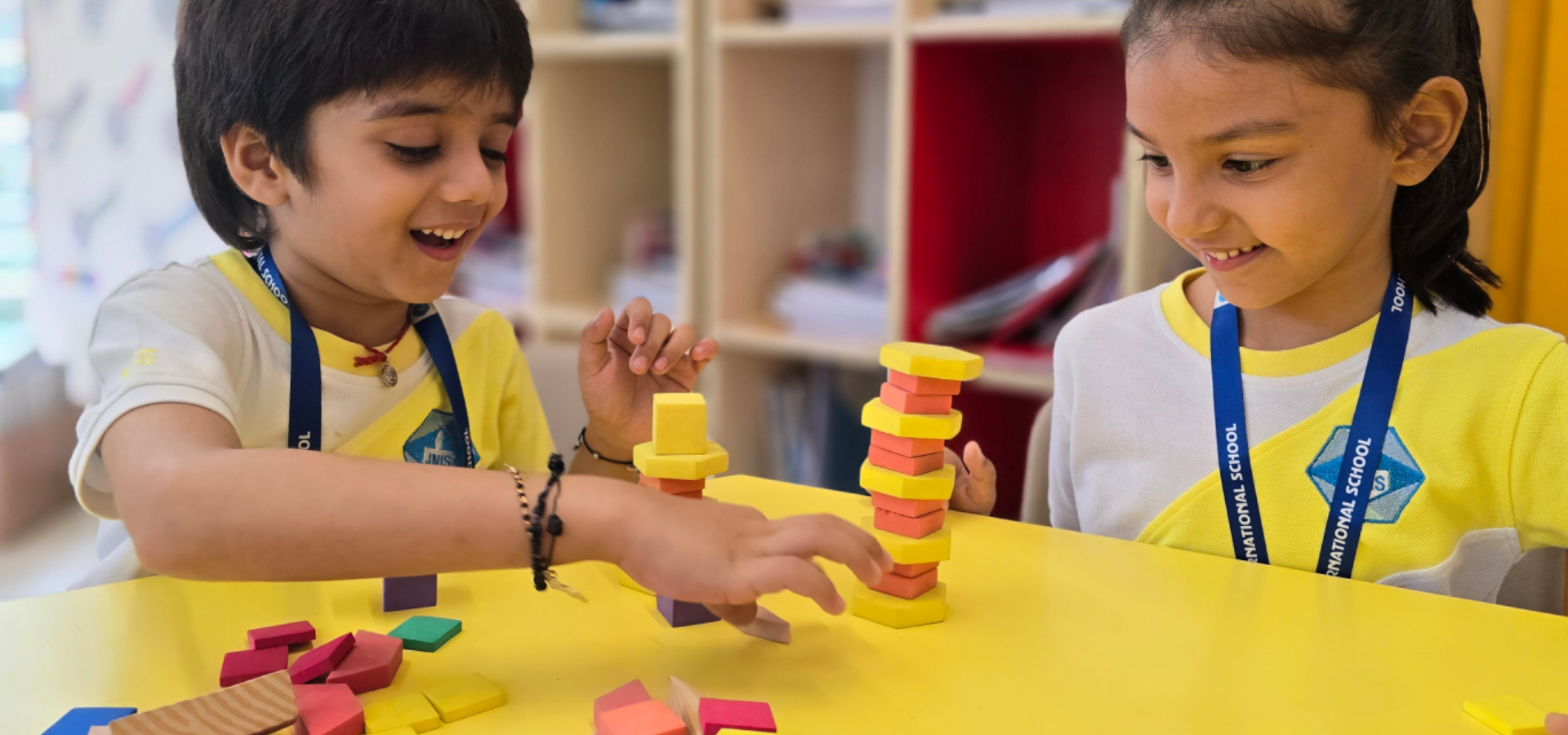 Future Ready
Explore our curated gallery collections, featuring captivating works from renowned artists. Immerse yourself in upcoming exhibitions and events that celebrate creativity and expression.
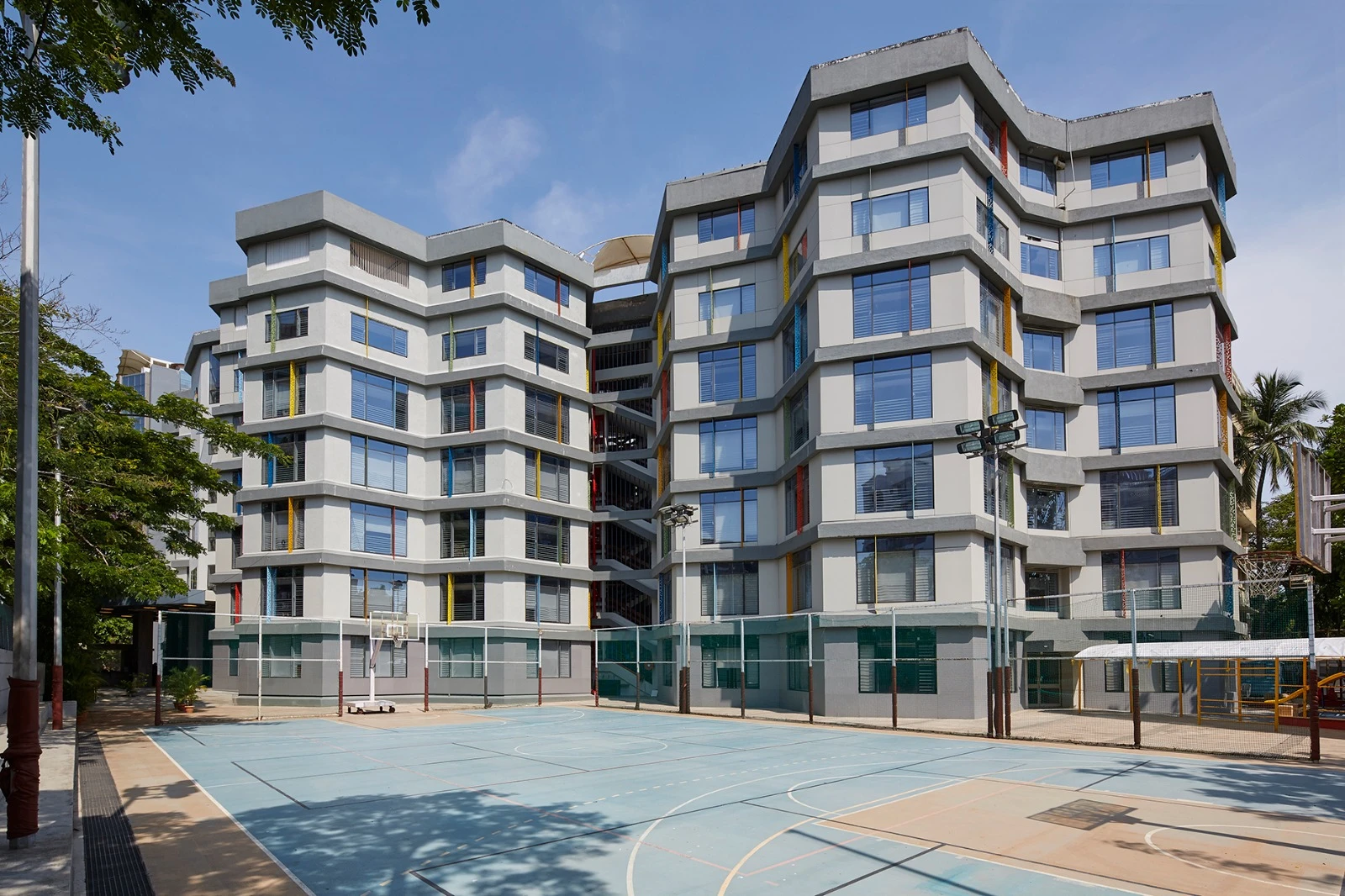
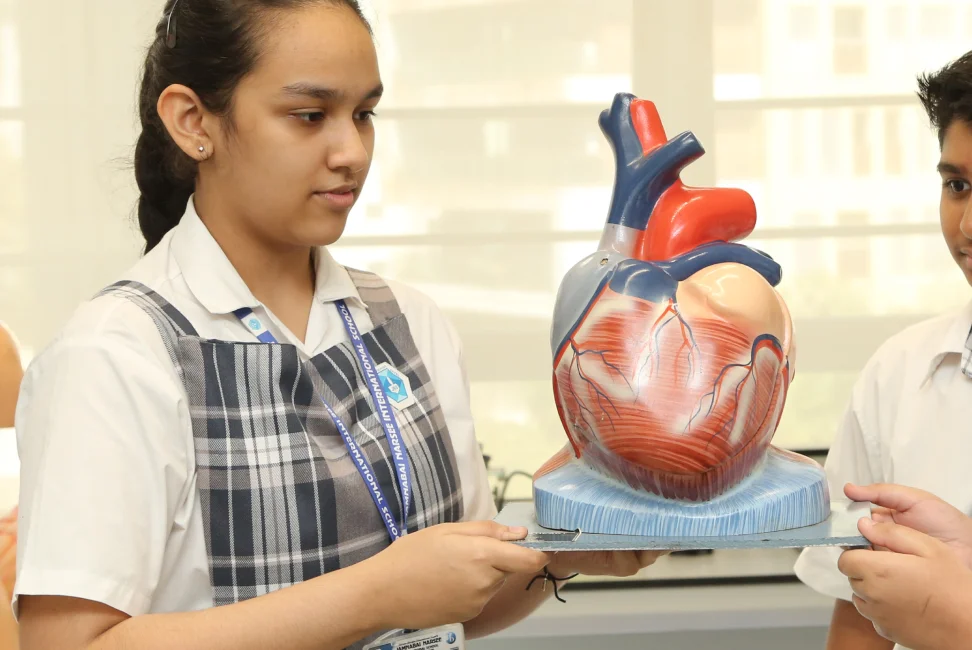
A vibrant celebration where Grade 5 students present their ideas, research and reflections through meaningful inquiry, creativity and collaboration.
Know More









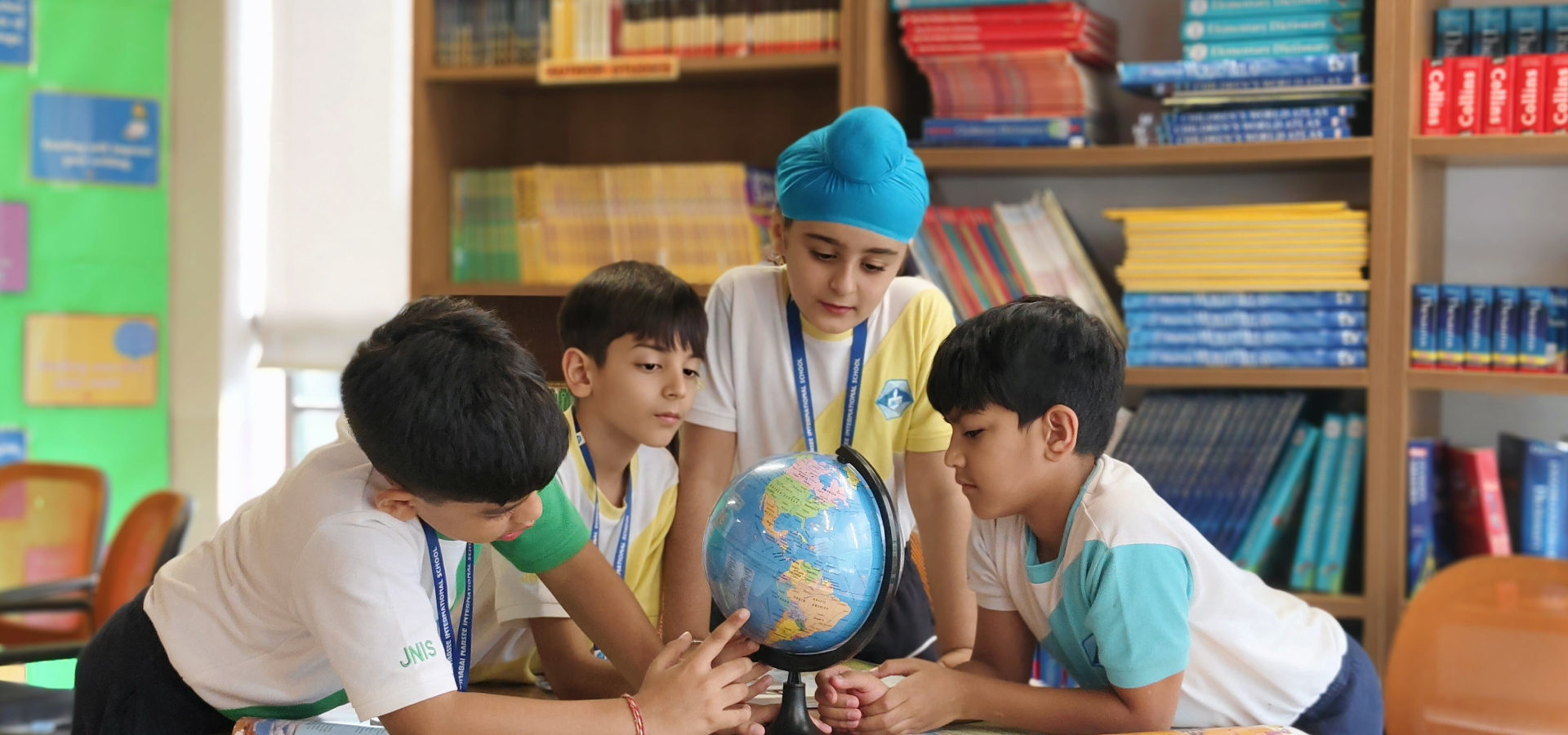
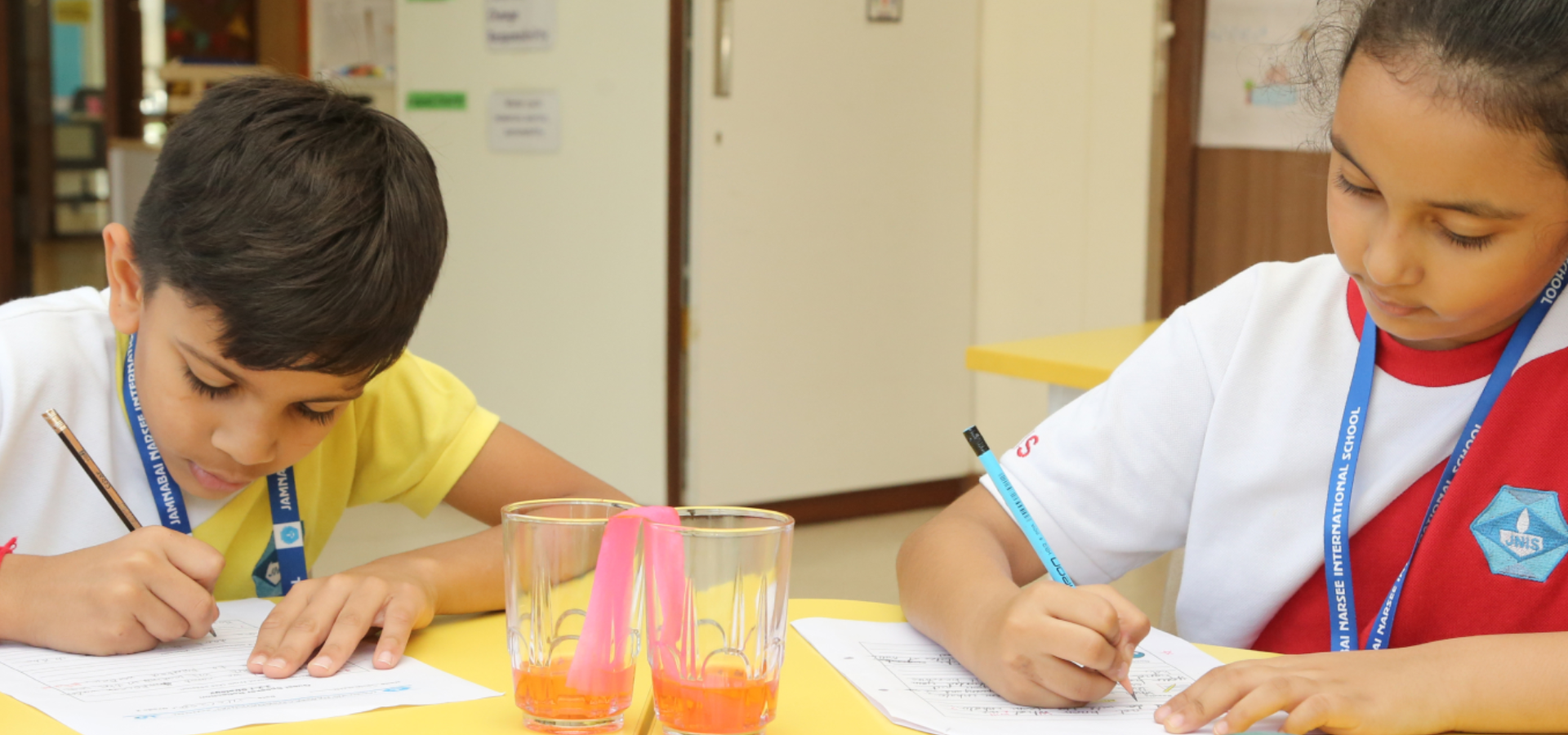
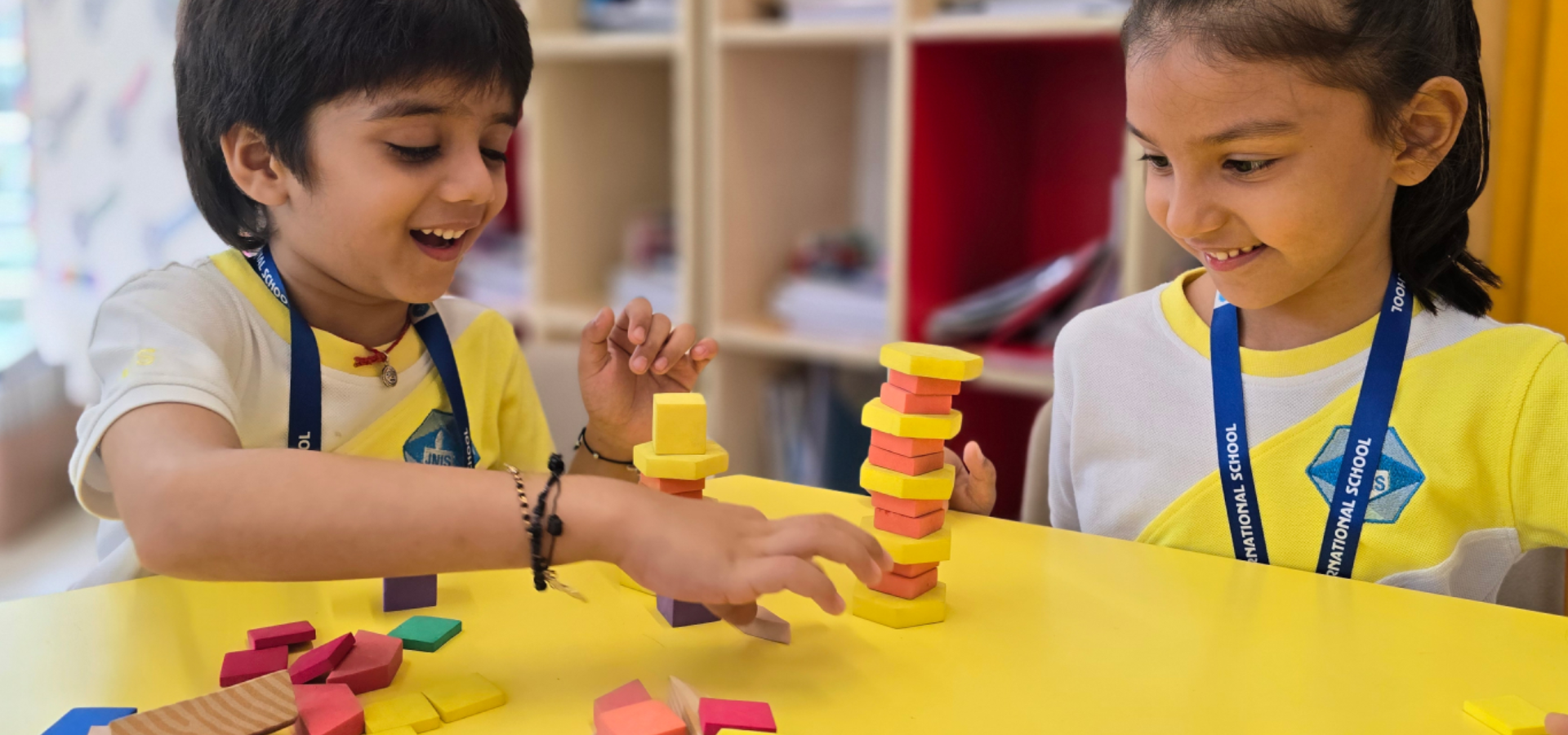
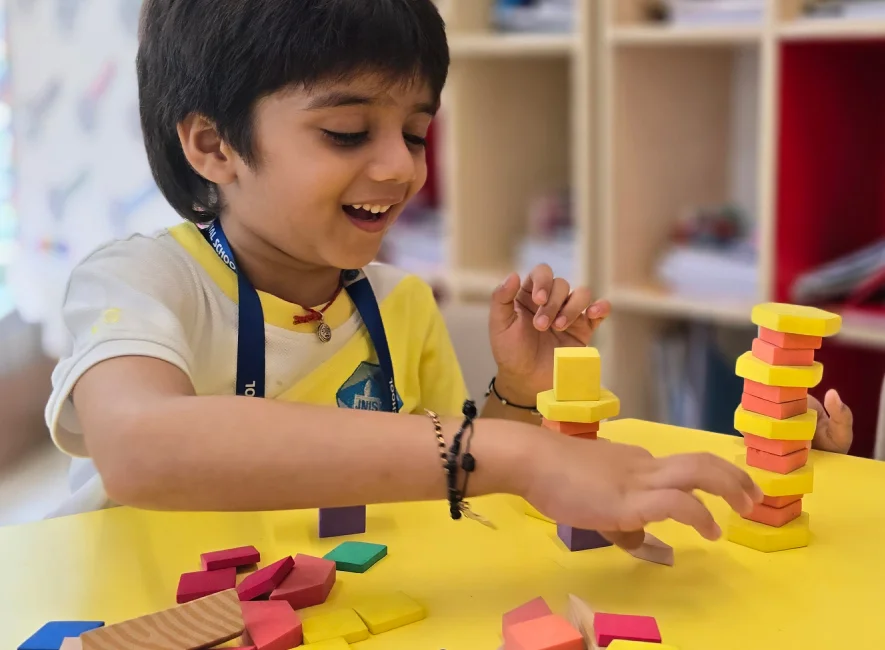
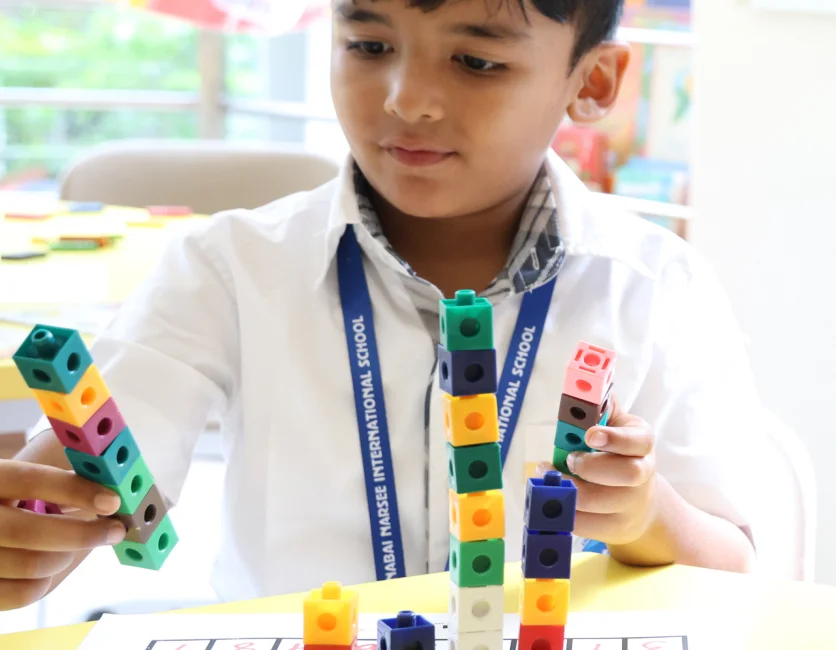
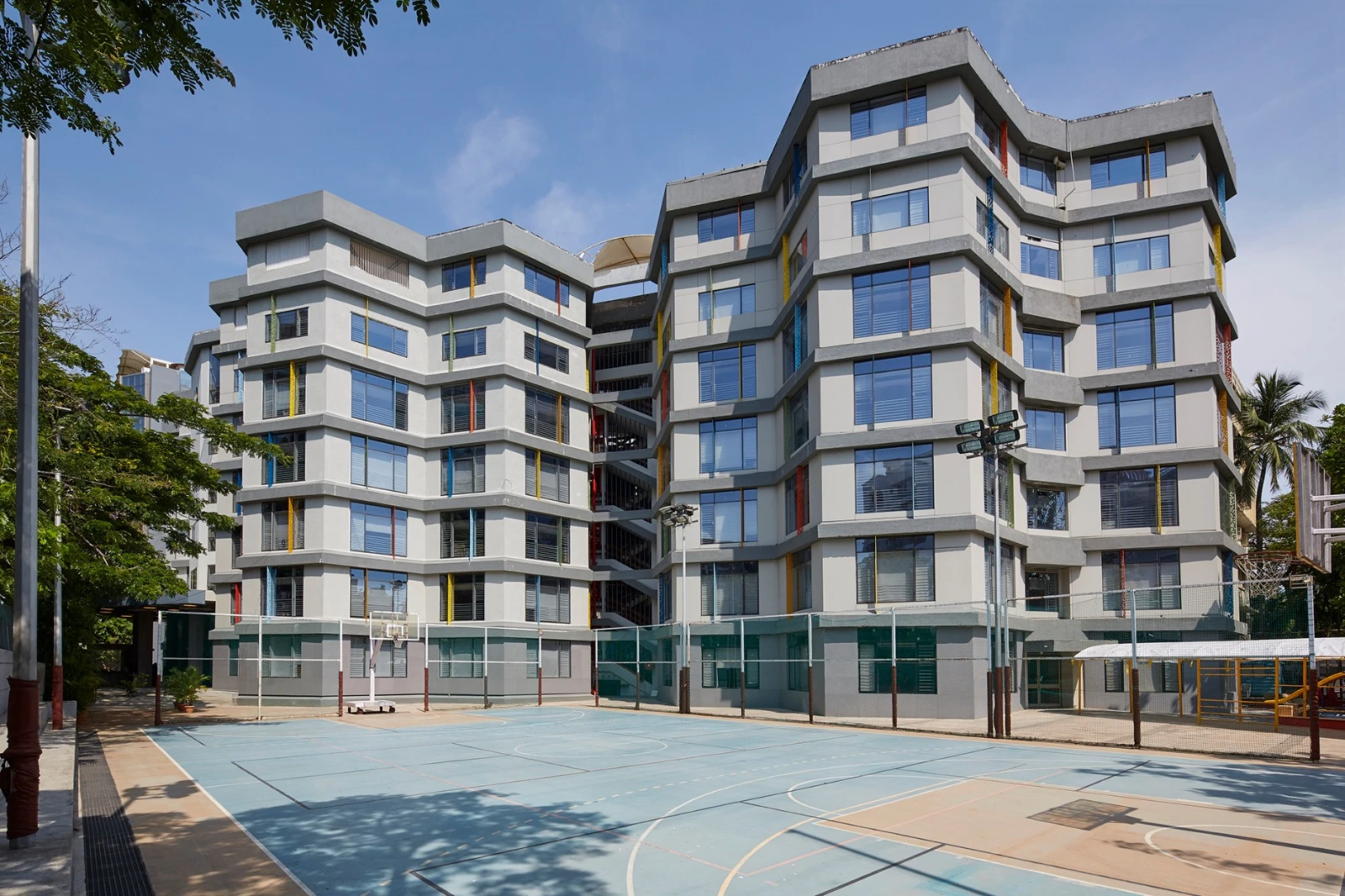
At JNIS, Primary Years learners explore, question, create, and collaborate in spaces that make every day feel purposeful and full of discovery.
From bright classrooms to outdoor learning moments, our PYP environment encourages children to think independently, work together, and grow with confidence.
Every corner is designed to support hands-on learning, joyful exploration, and the confidence to ask better questions.
Quick answers to what parents ask most about the Primary Years Programme at JNIS.
What age group is the PYP designed for?
How does inquiry-based learning work in PYP?
How is student progress assessed without traditional exams?
What is the PYP Exhibition and when does it happen?
How can parents stay involved in their child's PYP learning?
What languages are taught in PYP at JNIS?