
Academics
An inquiry-led foundation that builds confidence, clarity and strong conceptual understanding.
Conceptual Understanding
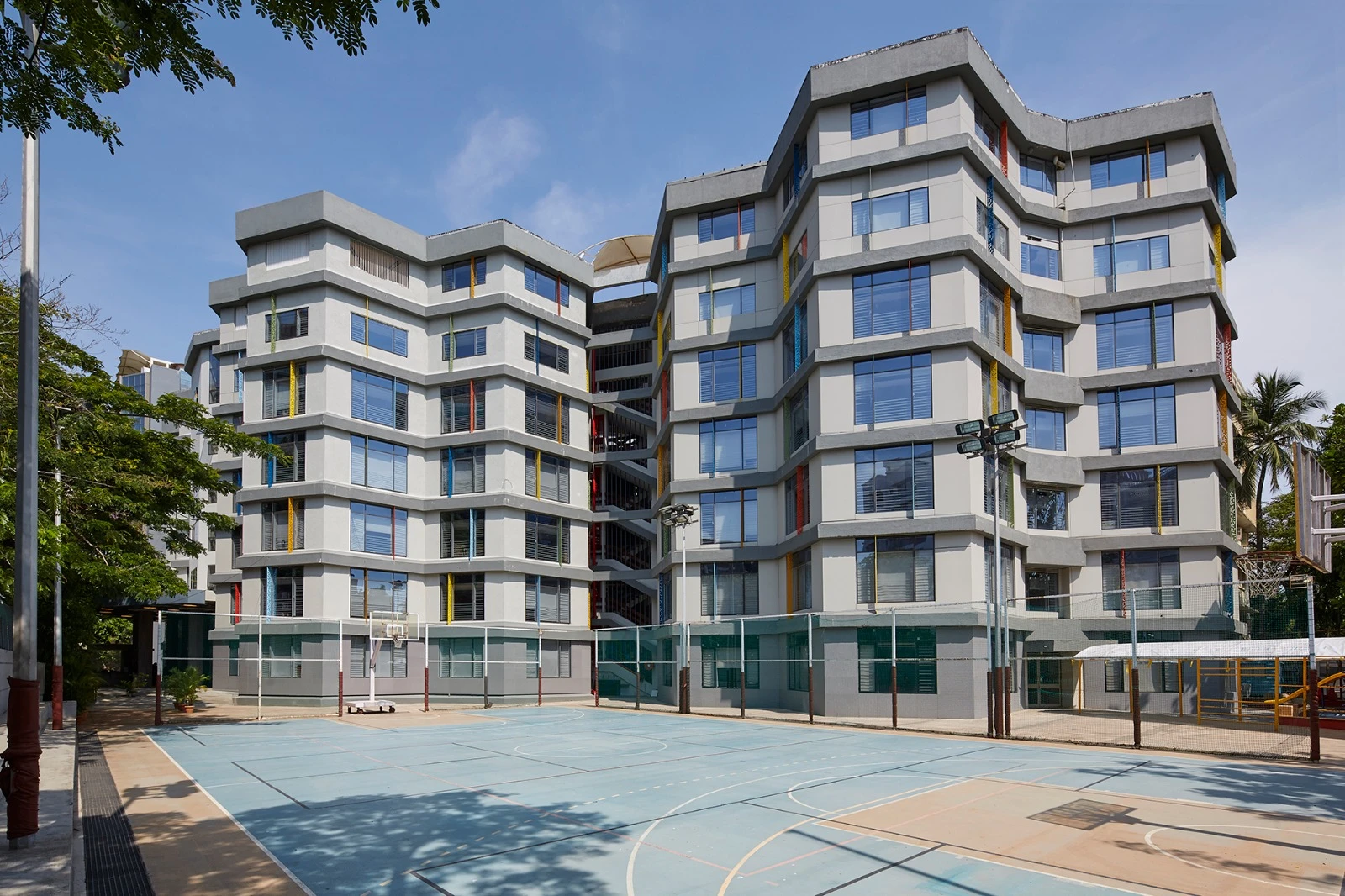

The International Baccalaureate Diploma Programme (IBDP) is a challenging two-year pre-university programme designed to develop knowledgeable, inquisitive, and compassionate learners. With a balanced curriculum spanning six subject groups and three core components—Theory of Knowledge (TOK), Extended Essay (EE), and Creativity, Activity, Service (CAS)—the programme encourages academic excellence, critical thinking, independent research, and global-mindedness, preparing students for success at leading universities worldwide.
At JNIS, students experience the IBDP through a rigorous yet holistic learning journey that combines academic depth with real-world application. They explore subjects across diverse disciplines, undertake independent research through the Extended Essay, develop critical thinking through Theory of Knowledge, and engage in meaningful community initiatives through CAS and the SVAYAM outreach programme. This approach nurtures confident, responsible, and globally aware individuals ready to make a positive impact on society.
Lorem ipsum dolor sit amet consectetur adipisicing elit. Qui ducimus magnam veniam repudiandae quam velit eius natus adipisci dolore fuga, eligendi laborum autem nesciunt voluptates veritatis quasi perferendis commodi quis!
Lorem ipsum dolor sit amet consectetur adipisicing elit. Placeat reprehenderit vero officia minima amet quasi beatae sapiente incidunt quae? Consequatur vitae impedit, vero reiciendis aliquam optio animi eveniet nisi explicabo.

Lorem ipsum dolor sit amet consectetur adipisicing elit. Placeat reprehenderit vero officia minima amet quasi beatae sapiente incidunt quae? Consequatur vitae impedit, vero reiciendis aliquam optio animi eveniet nisi explicabo.
Lorem ipsum dolor sit amet consectetur adipisicing elit. Placeat reprehenderit vero officia minima amet quasi beatae sapiente incidunt quae? Consequatur vitae impedit, vero reiciendis aliquam optio animi eveniet nisi explicabo.

An inquiry-led and balanced learning journey that helps students grow across academics, creativity, sport, values and global readiness.
An inquiry-led foundation that builds confidence, clarity and strong conceptual understanding.

Creative opportunities that nurture expression, leadership and collaborative growth.
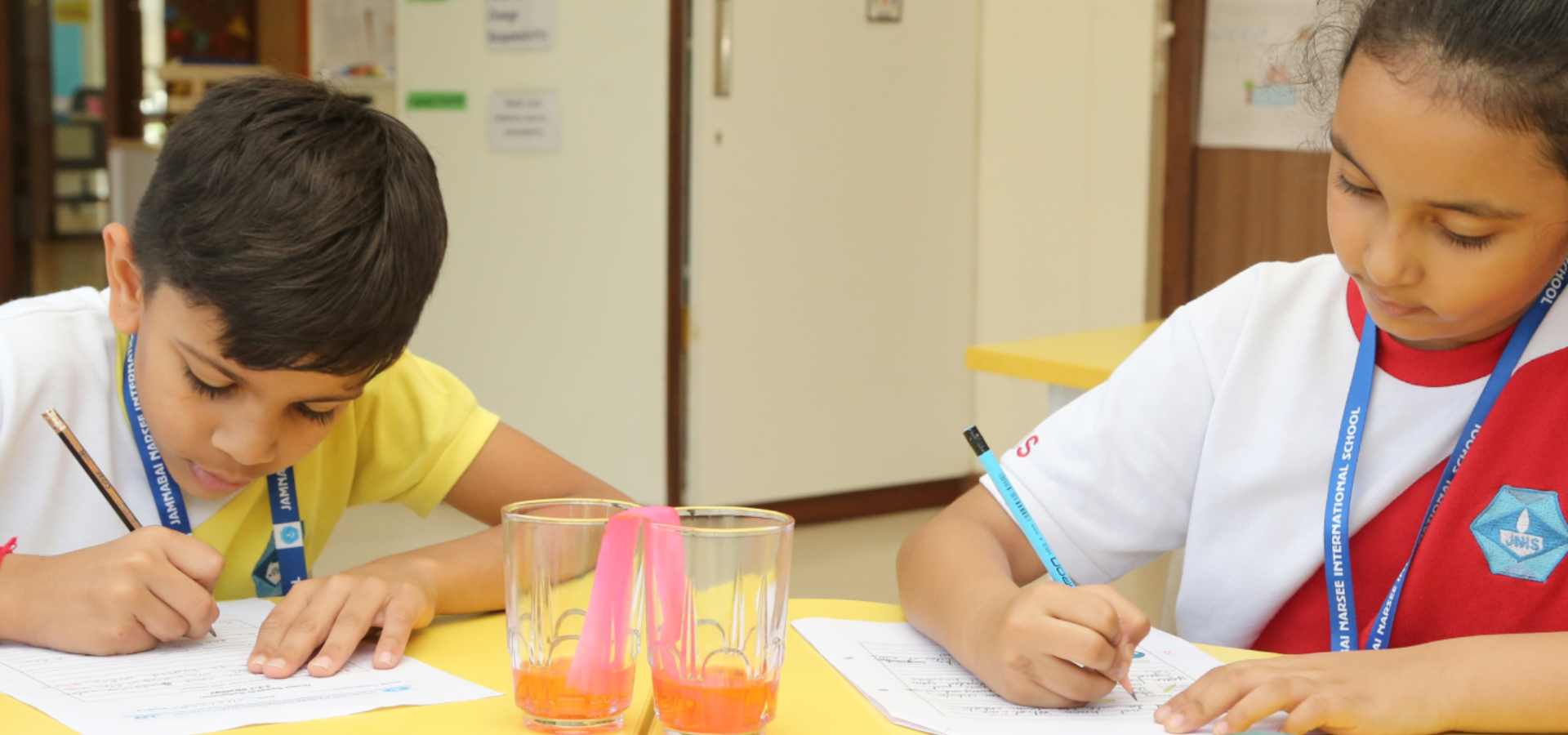

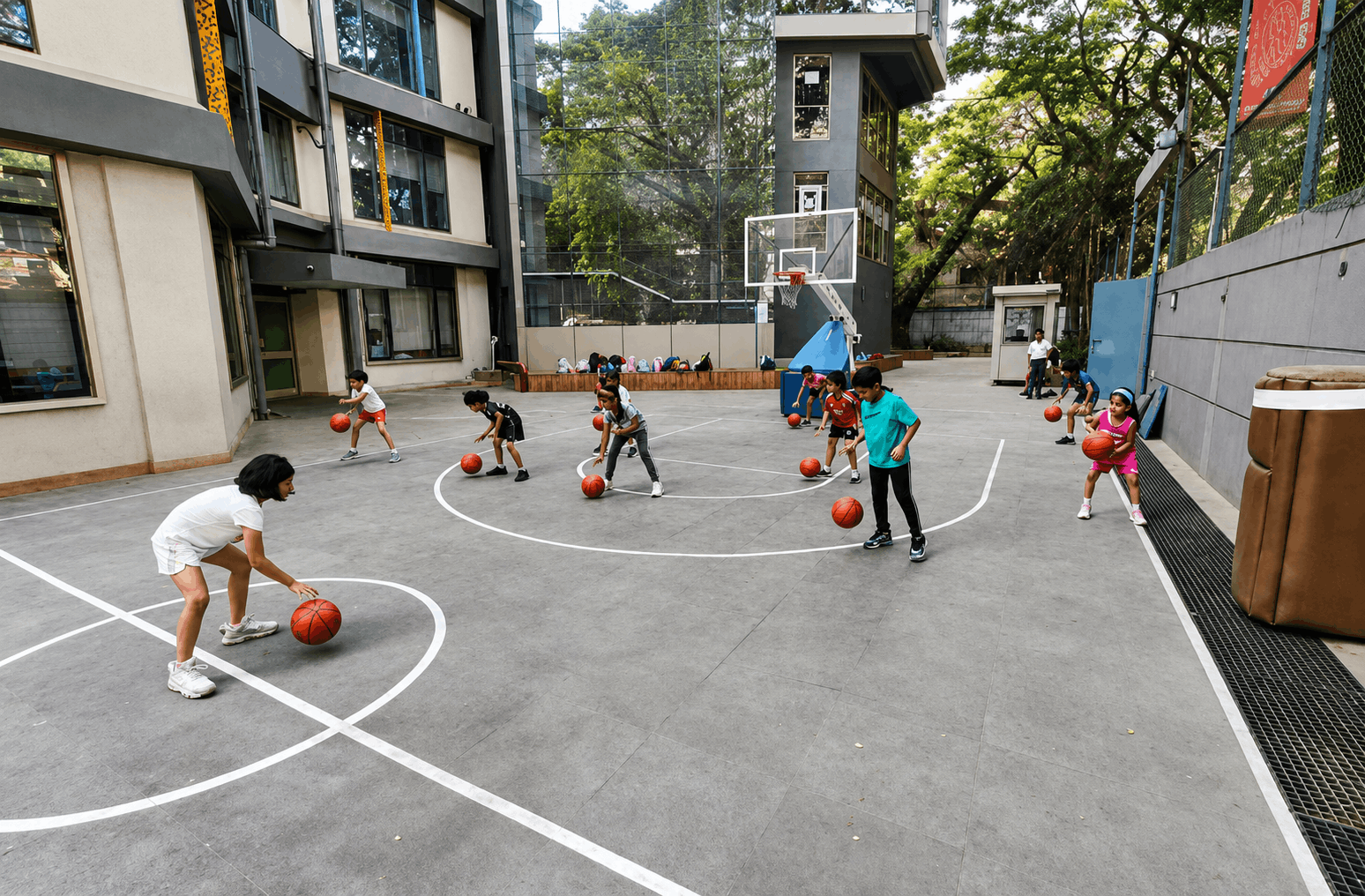
A balanced physical programme that strengthens stamina, resilience and team spirit.
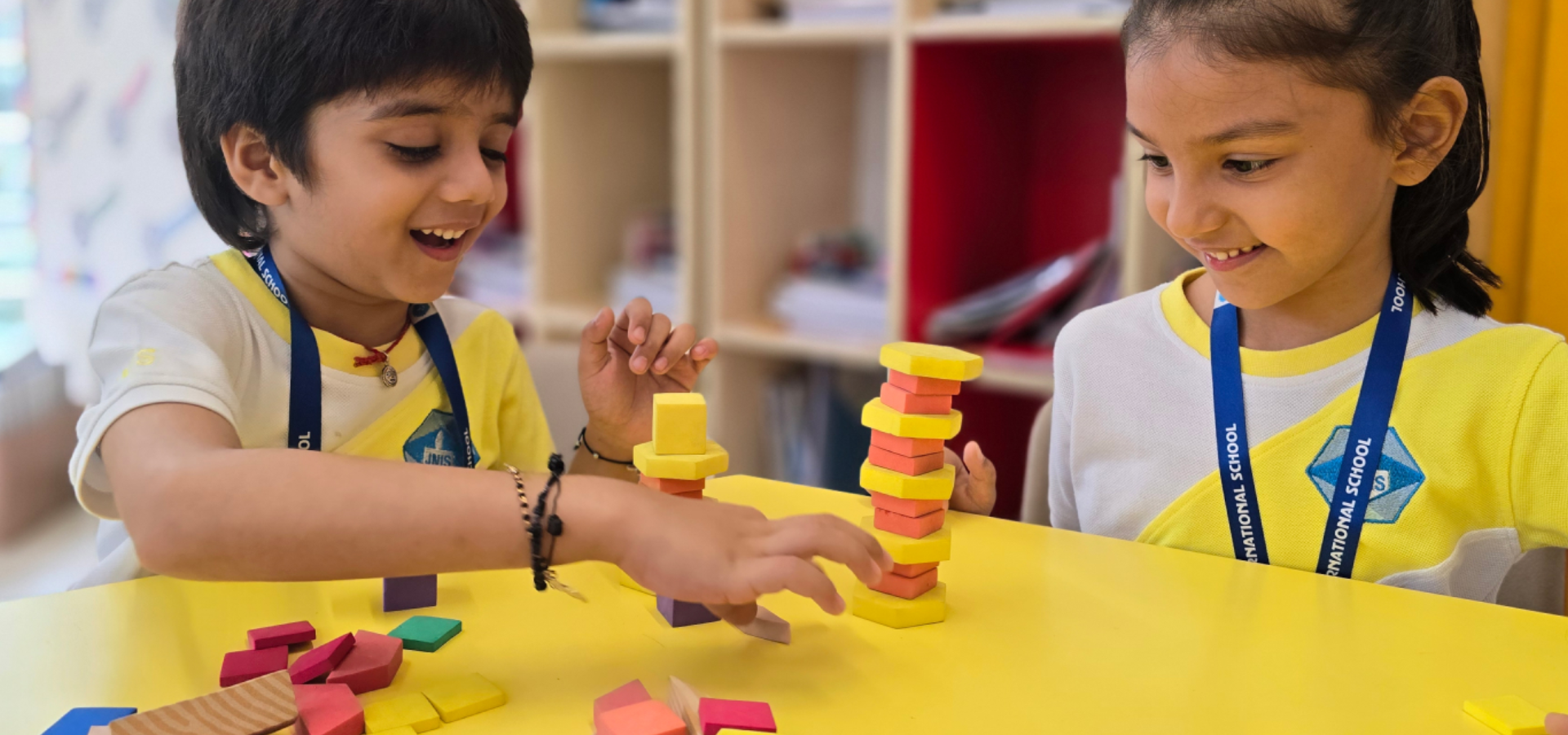

Character-building experiences that anchor learning in empathy, ethics and community.

Future-focused learning that prepares students to navigate complex global pathways.
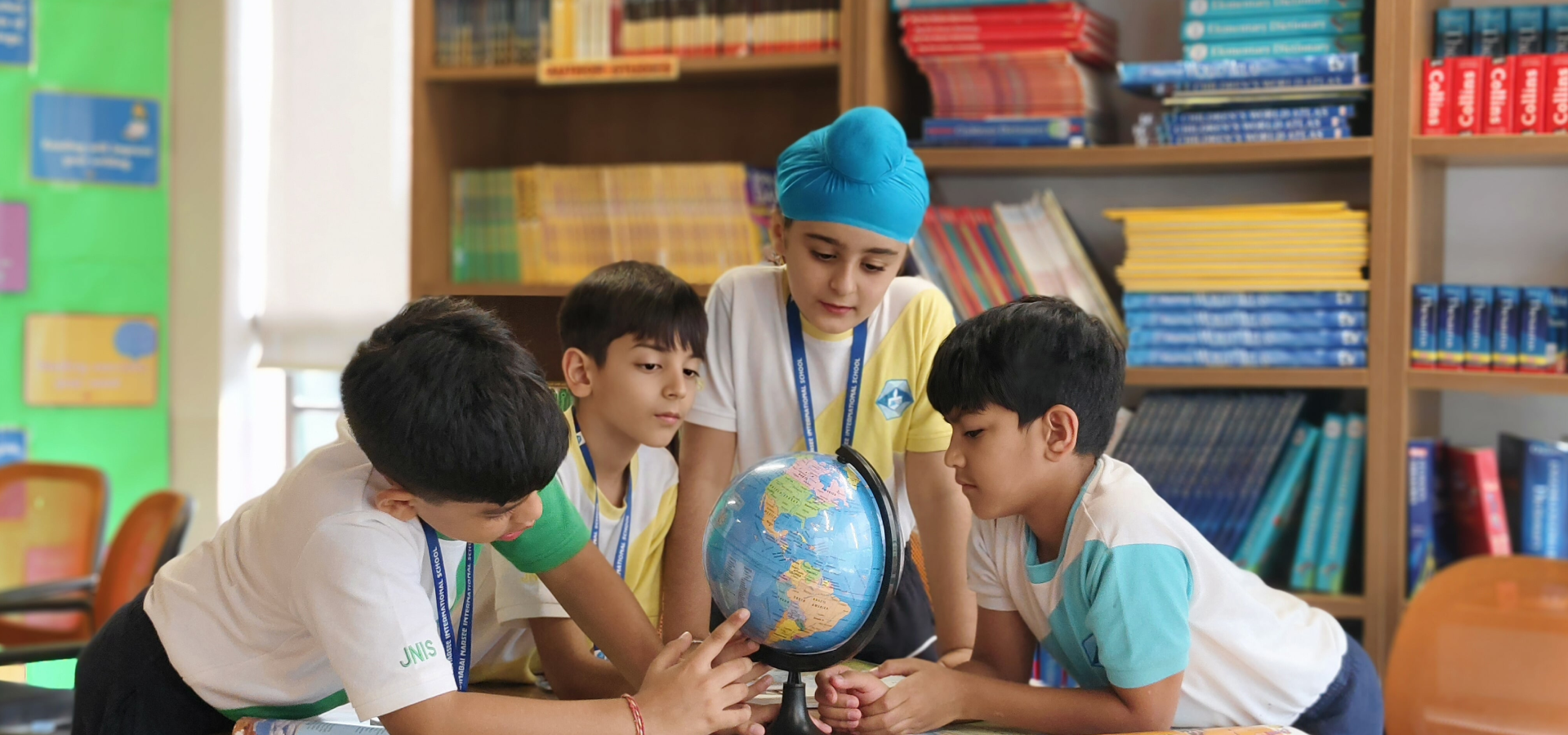

At JNIS, every learning experience is designed to shape thoughtful, capable and confident individuals who can collaborate, lead with empathy and contribute meaningfully in a changing world.
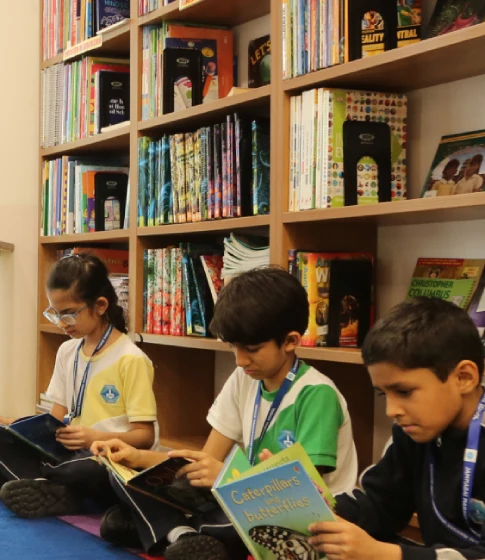
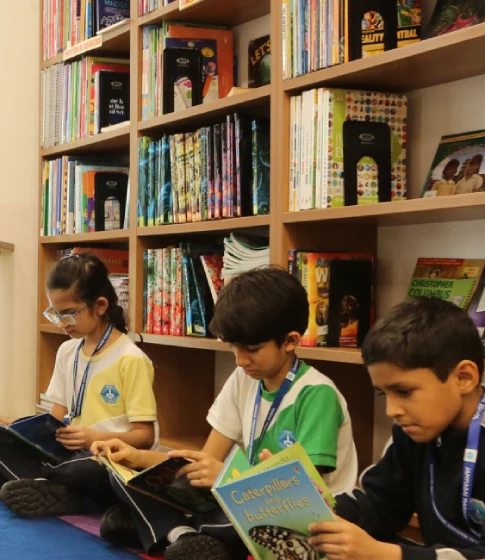
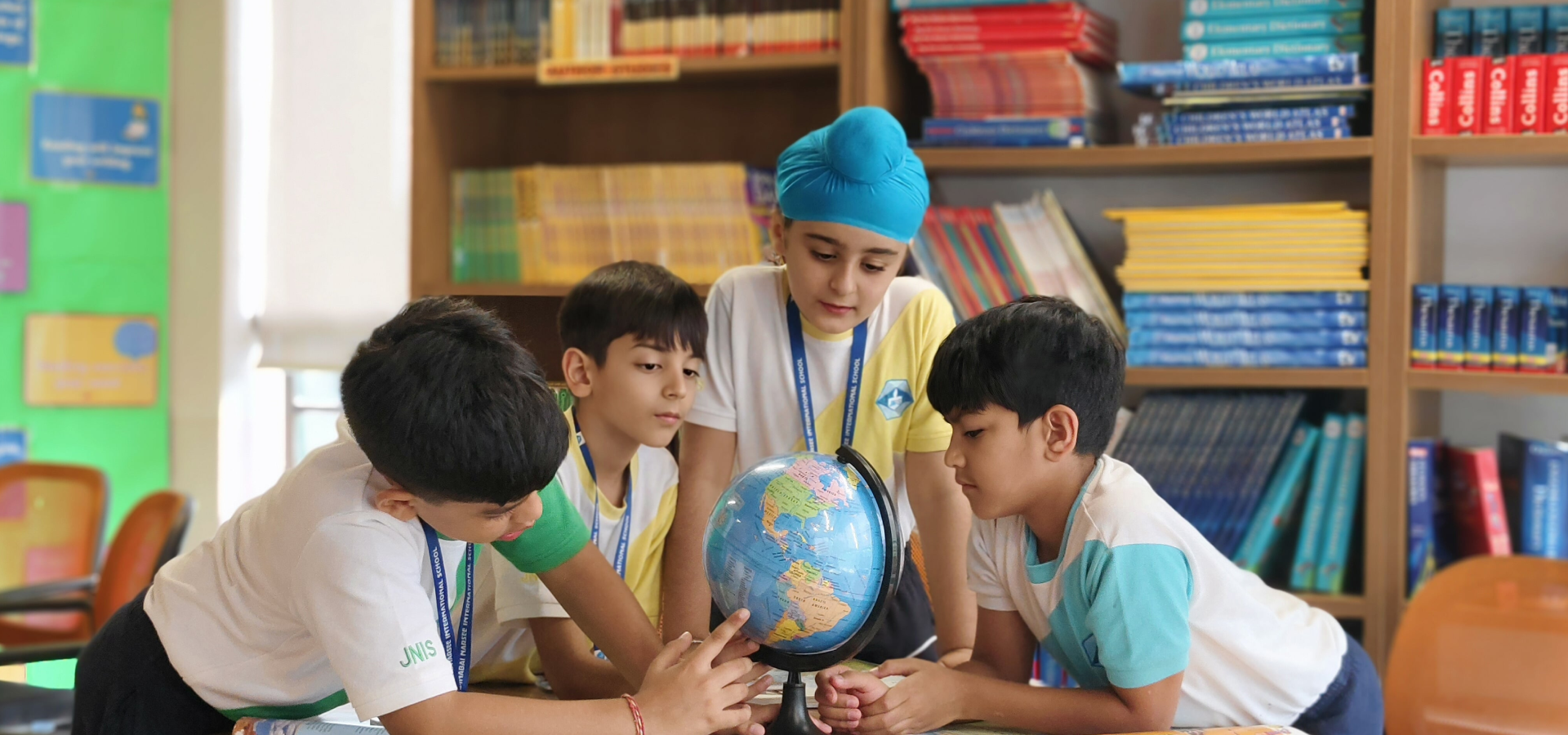
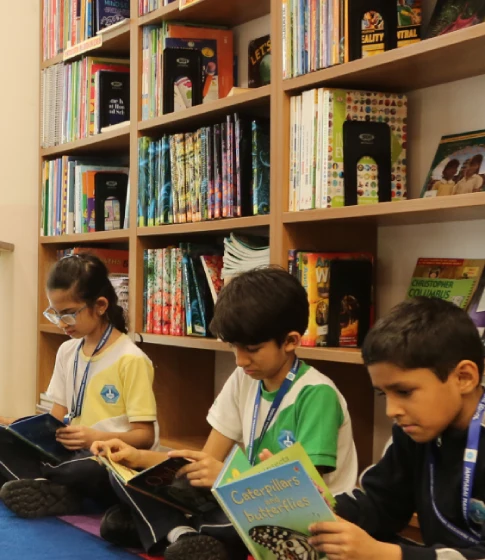
Our library nurtures reading, research and independent learning through a thoughtfully curated collection of print and digital resources. It gives students a calm, inspiring space to explore ideas and deepen understanding.
Students benefit from seamless access to digital tools, platforms and learning resources that support collaboration, creativity and flexible exploration. Technology is integrated meaningfully to enrich everyday learning.
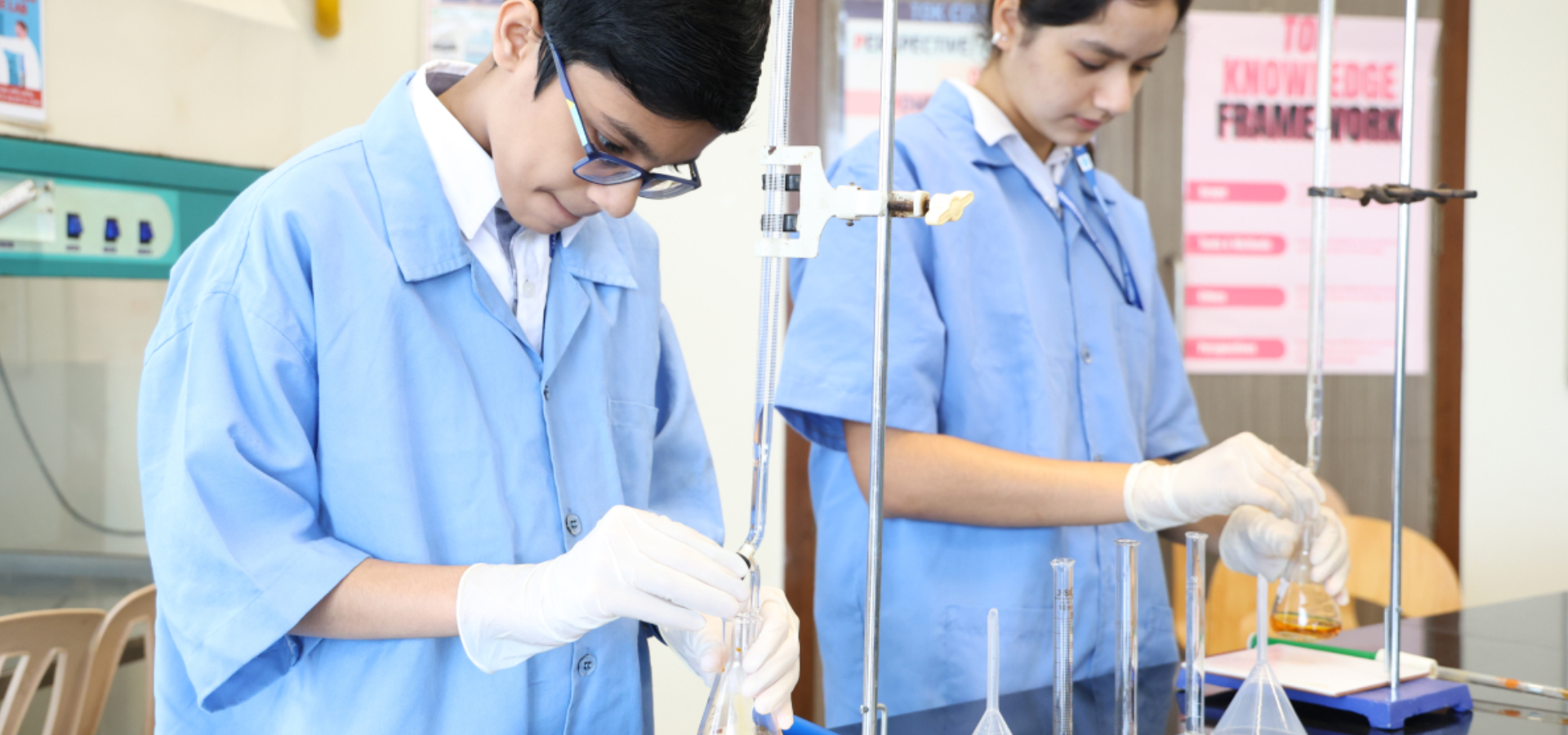
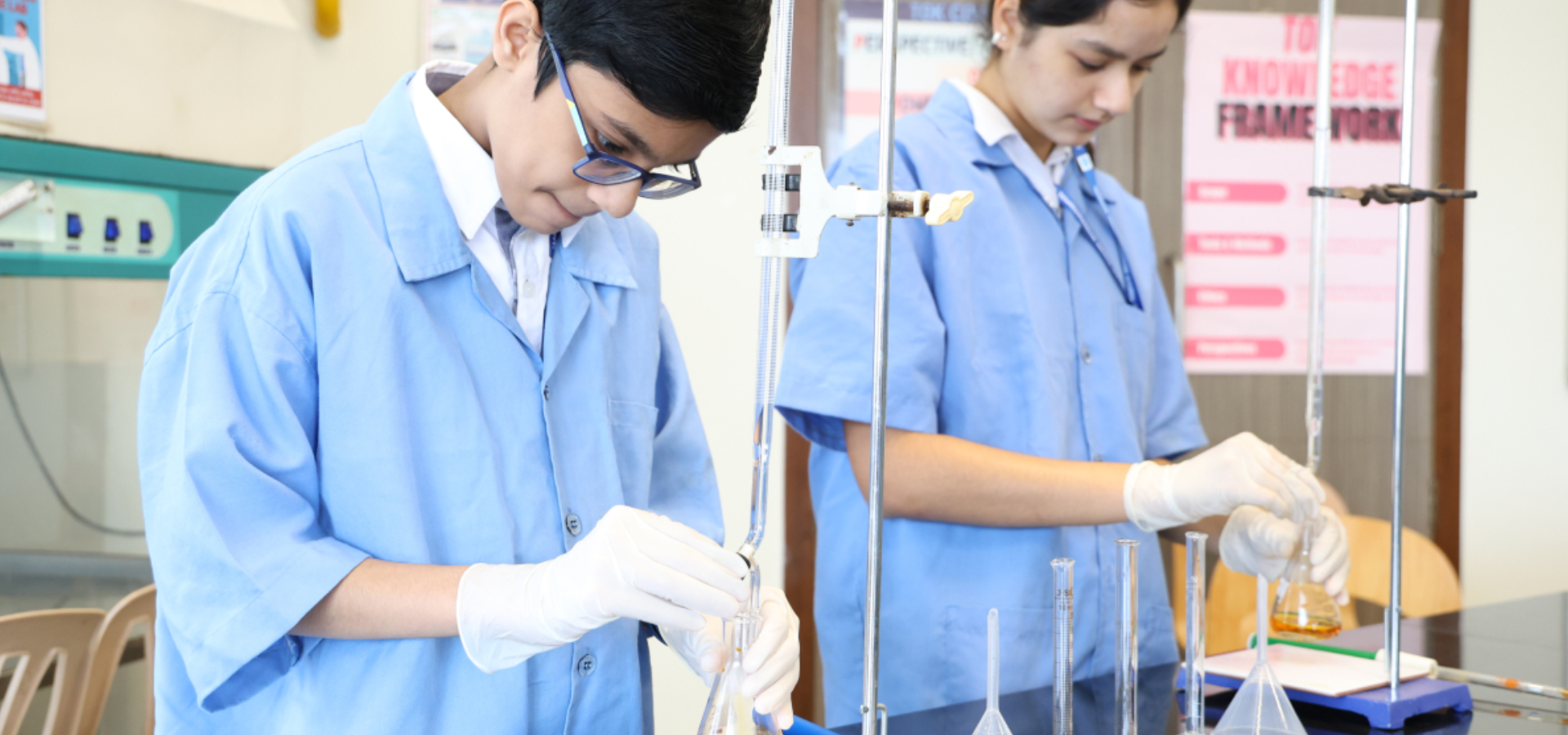
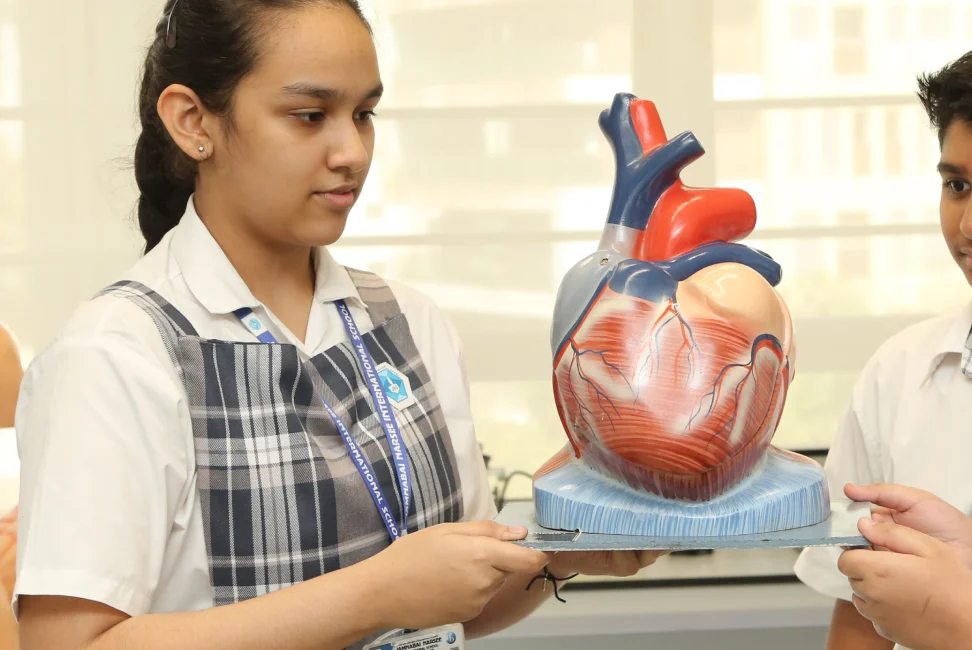
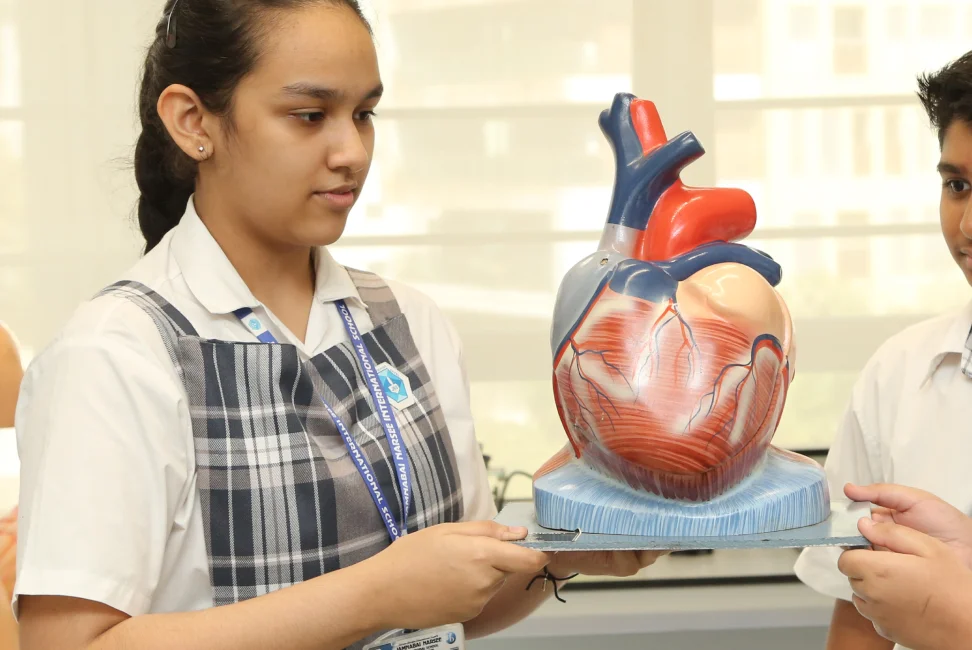
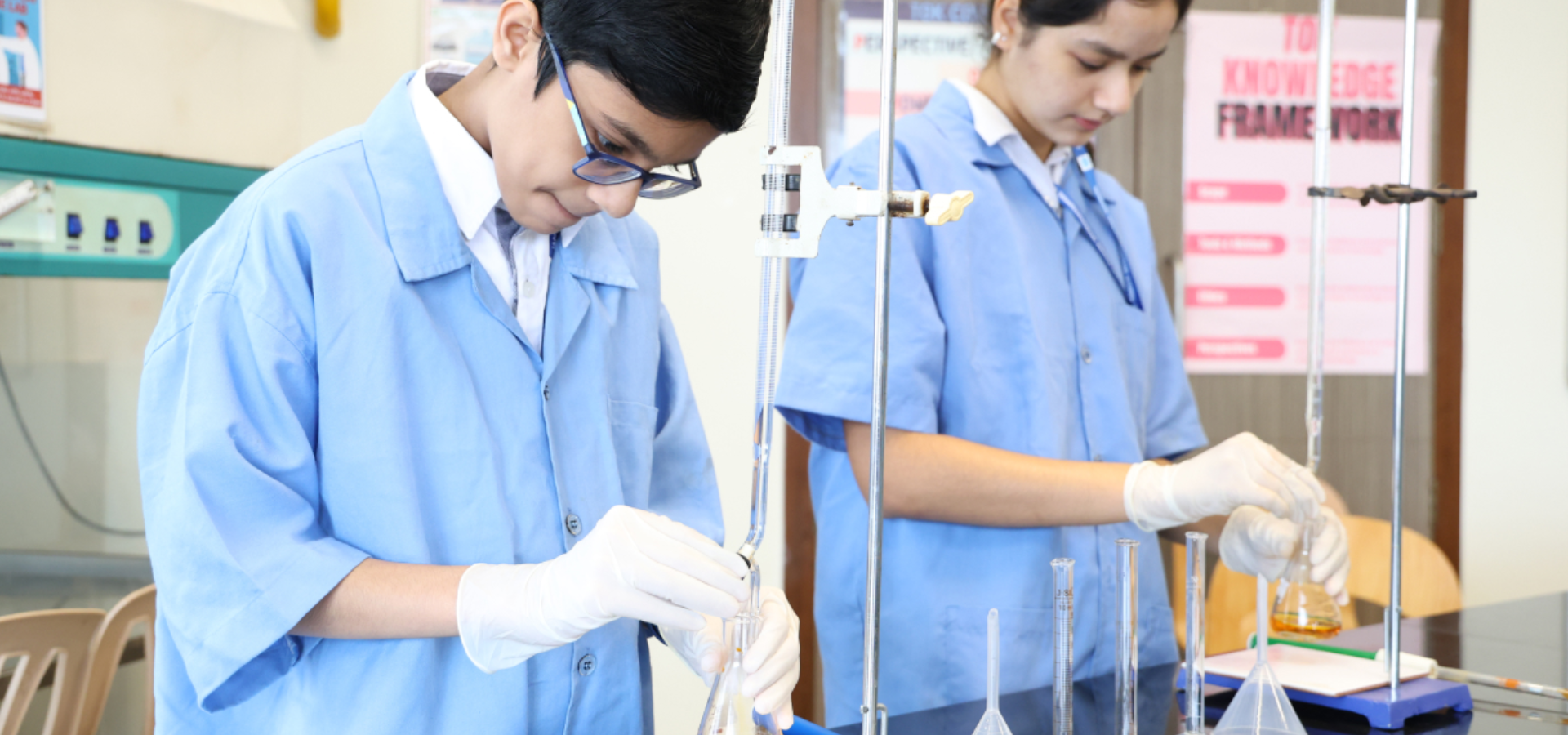
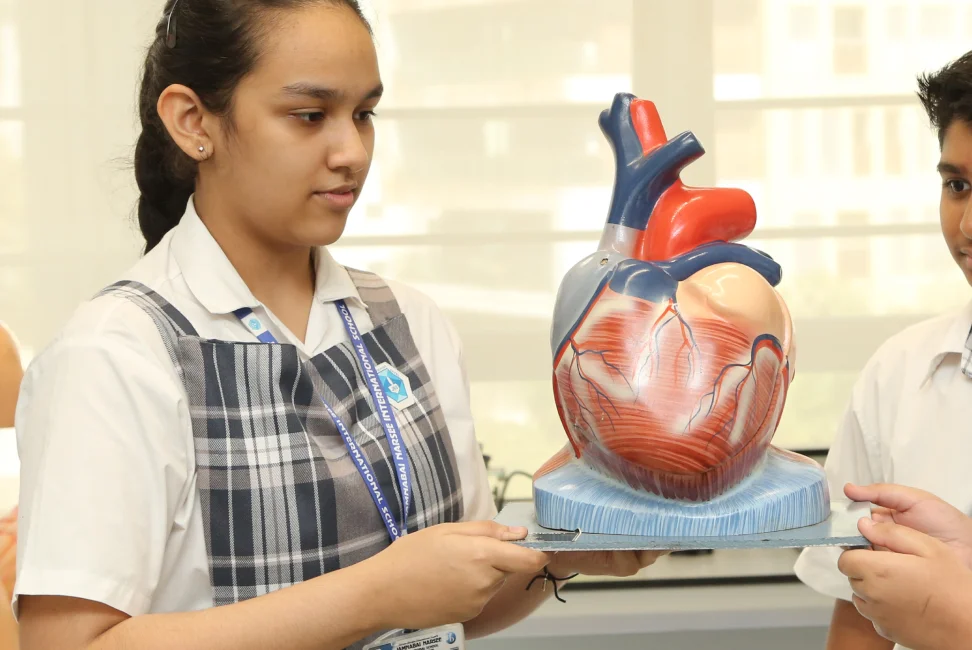
Our lab spaces encourage experimentation, observation and hands-on discovery. Students build scientific thinking, problem-solving skills and confidence by engaging directly with practical learning experiences.
Hear from our students, parents, and partners who make JNIS a thriving global community.
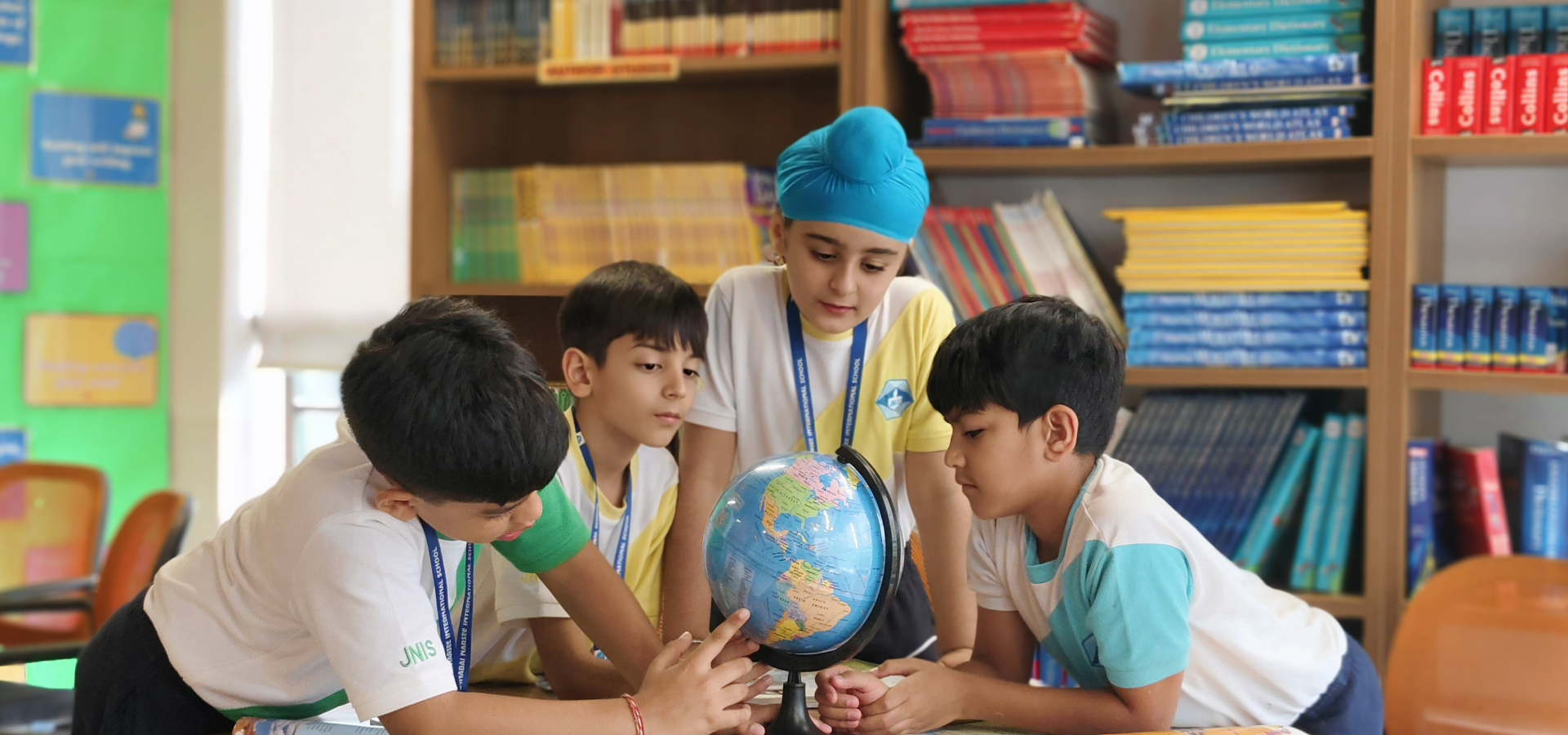
Assemblies build confidence through shared ideas, celebrations, and meaningful participation in school community life.
VIEW STORY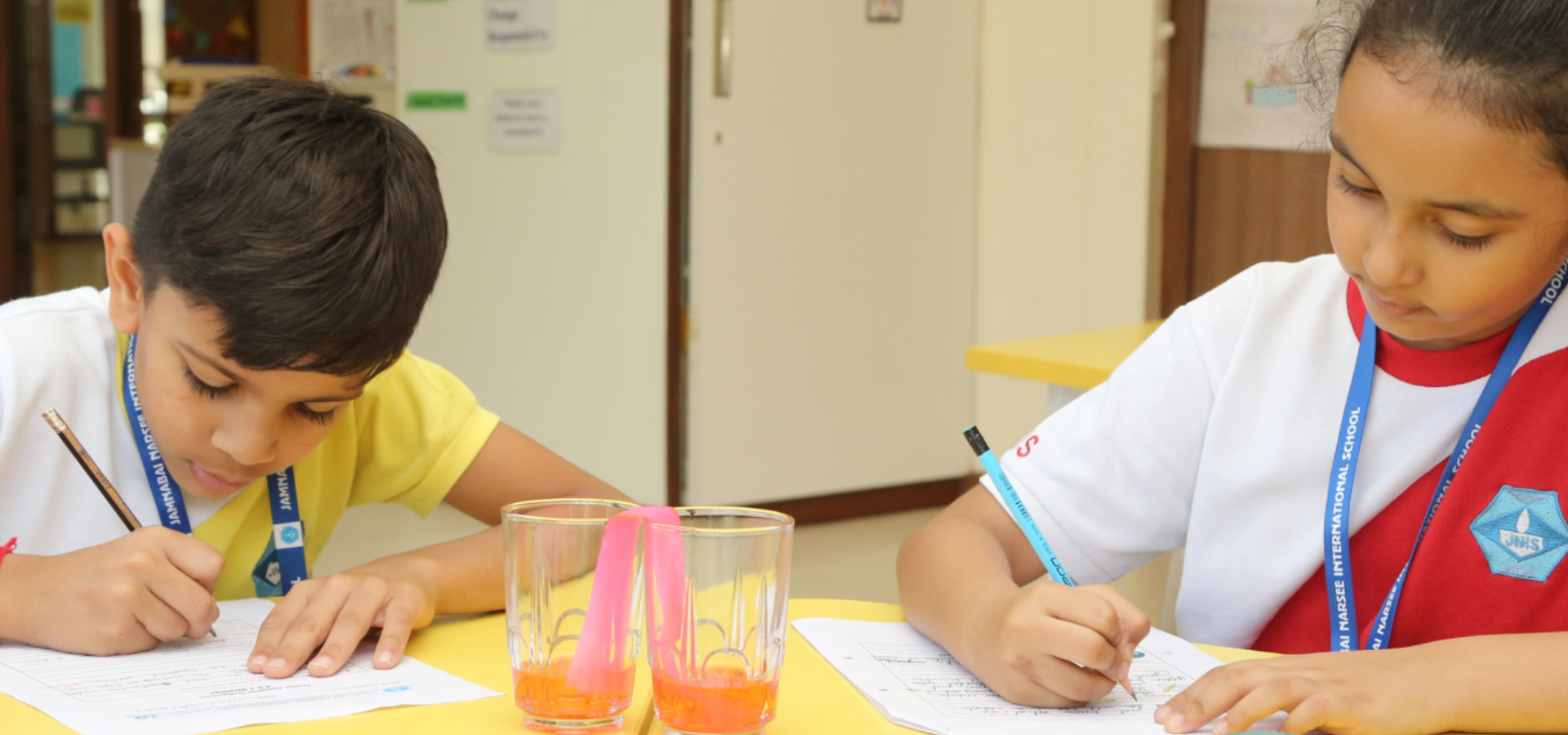
Students reflect on progress, present work, and take ownership of their learning journey.
VIEW STORY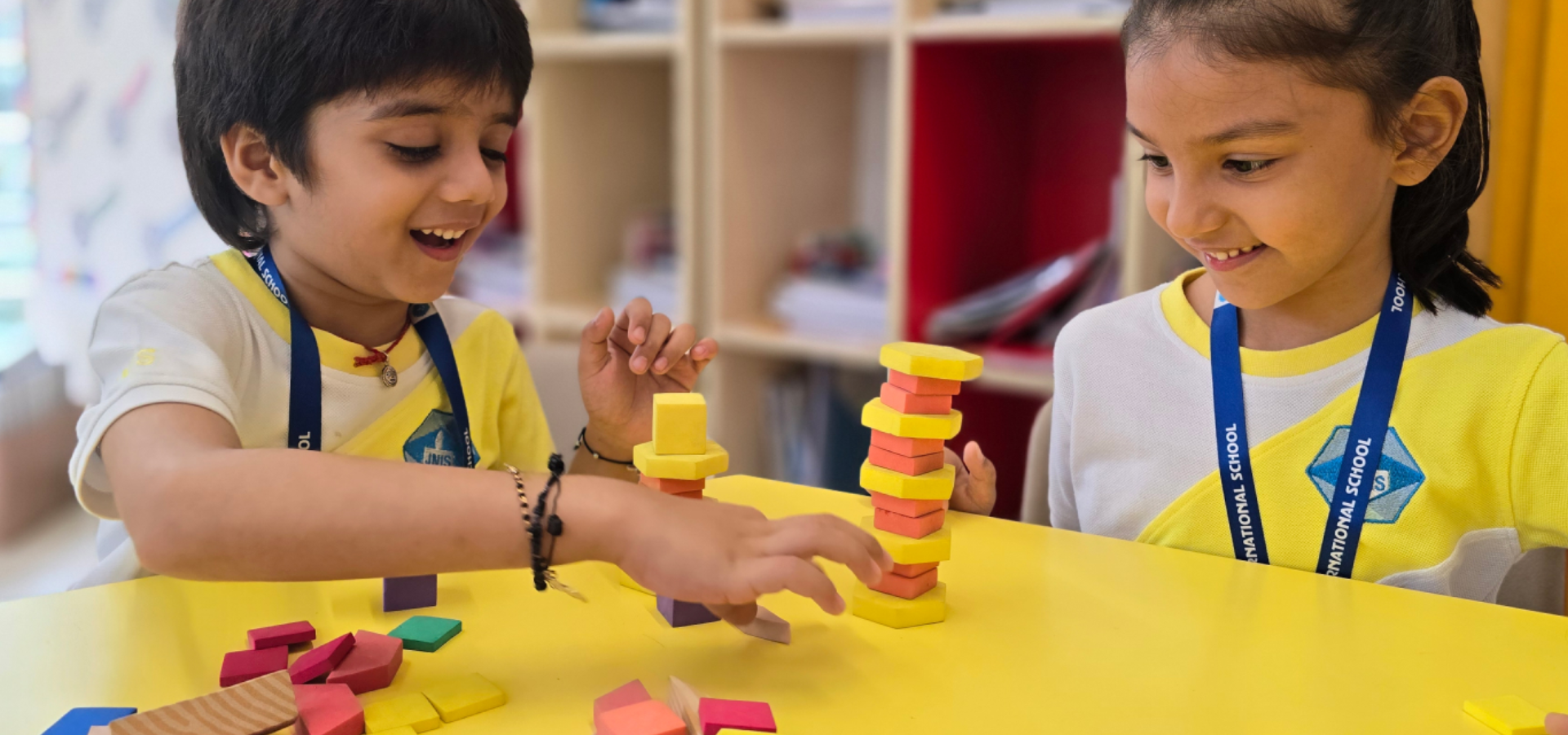
Students showcase learning through presentations, projects, and celebrations that make understanding visible.
VIEW STORY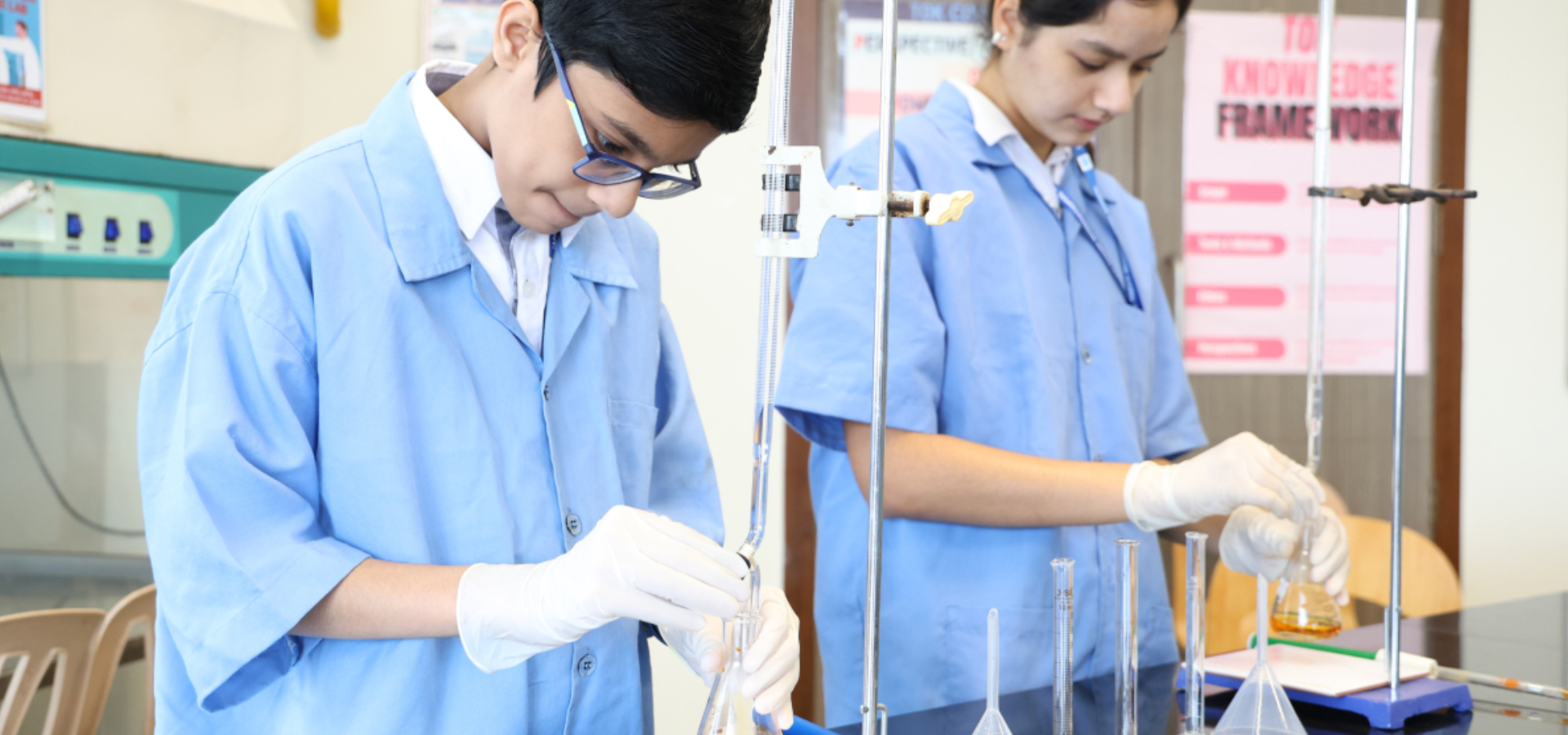
The bridge program helps students adjust confidently to new routines and expectations.
VIEW STORY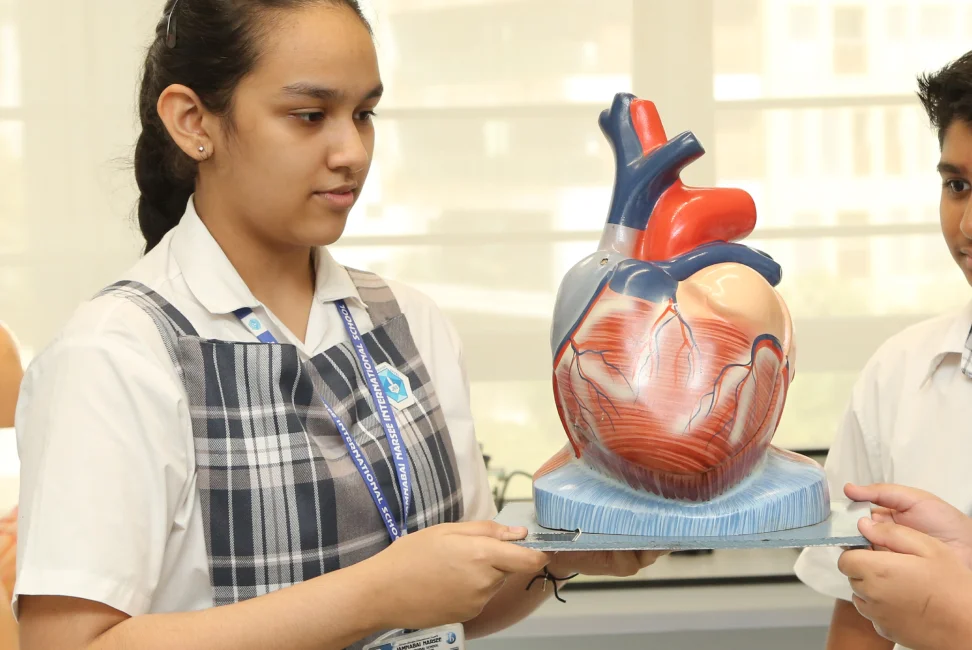
Students, parents, and teachers discuss growth, goals, and next steps together.
VIEW STORY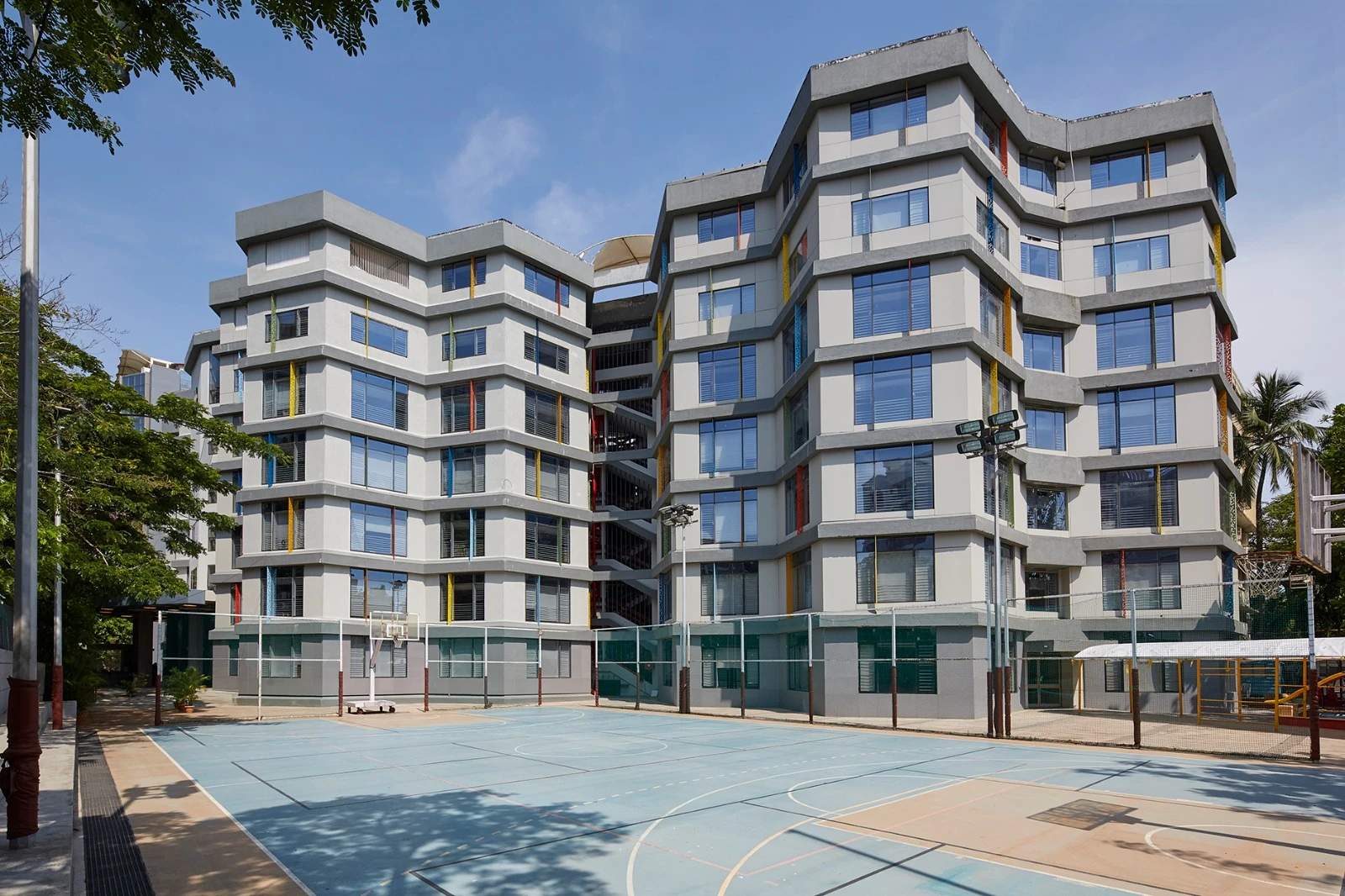
Parents connect with school through open conversations, shared understanding, and warm collaboration.
VIEW STORYExplore our curated gallery collections, featuring captivating works from renowned artists. Immerse yourself in upcoming exhibitions and events that celebrate creativity and expression.
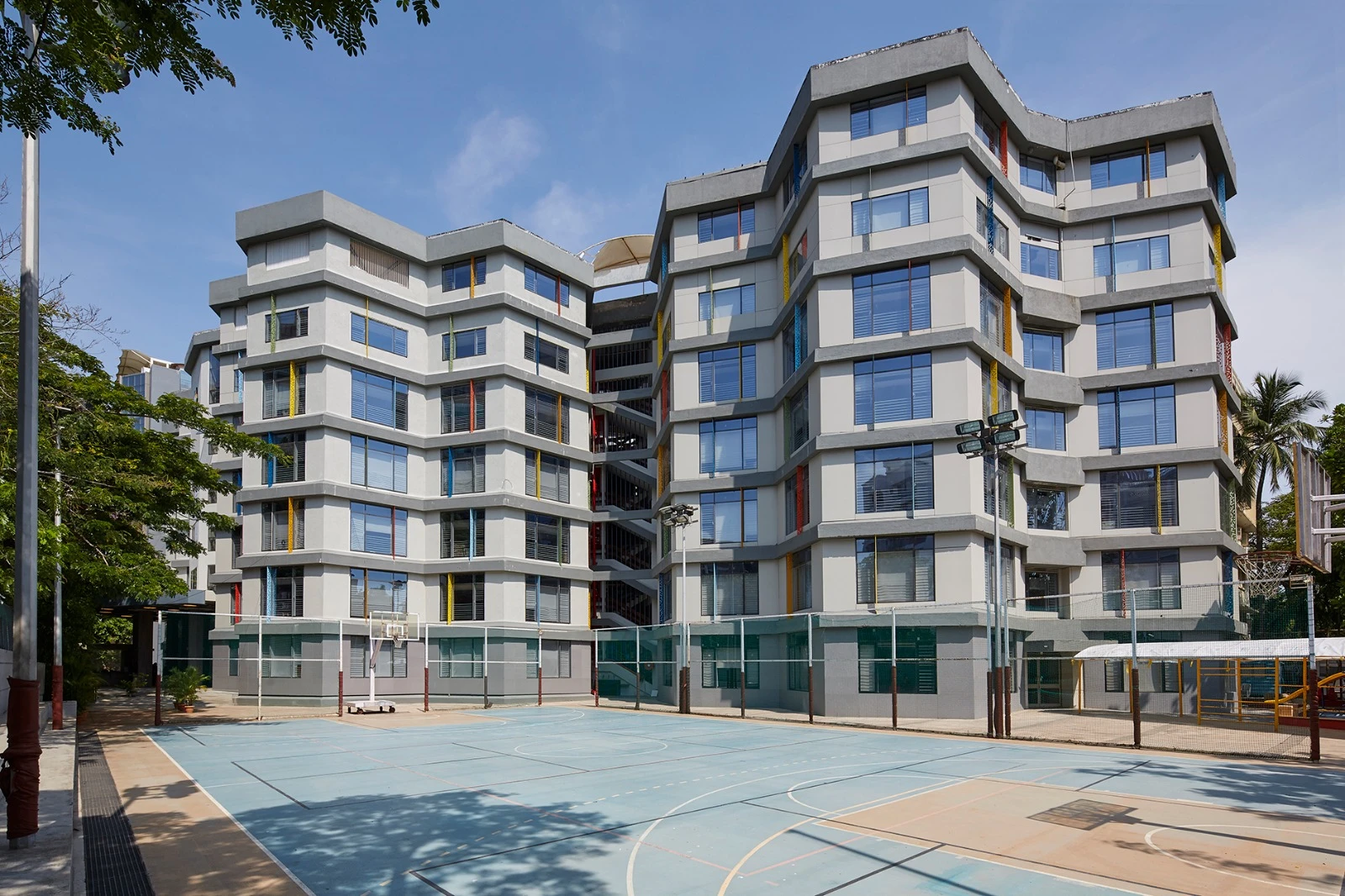










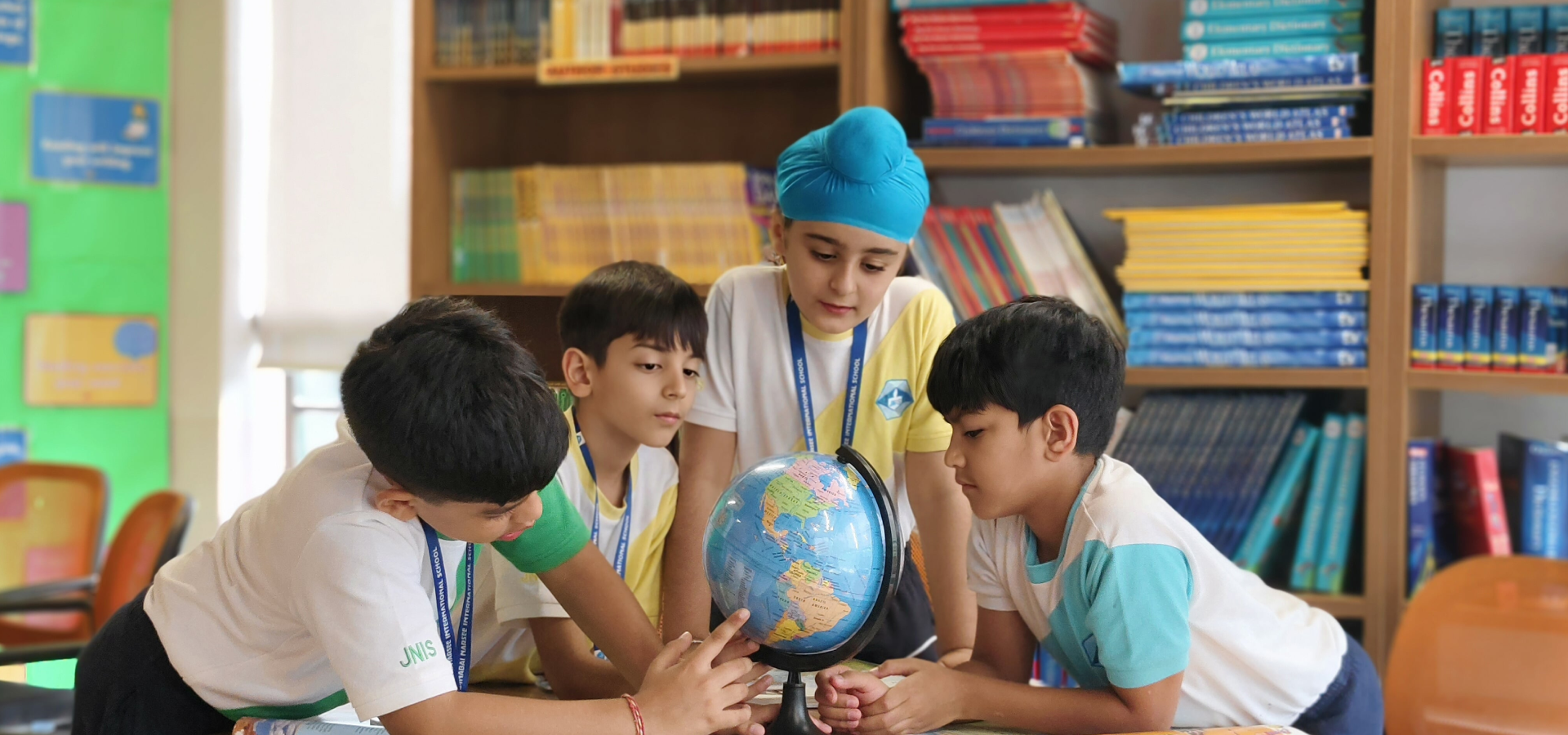
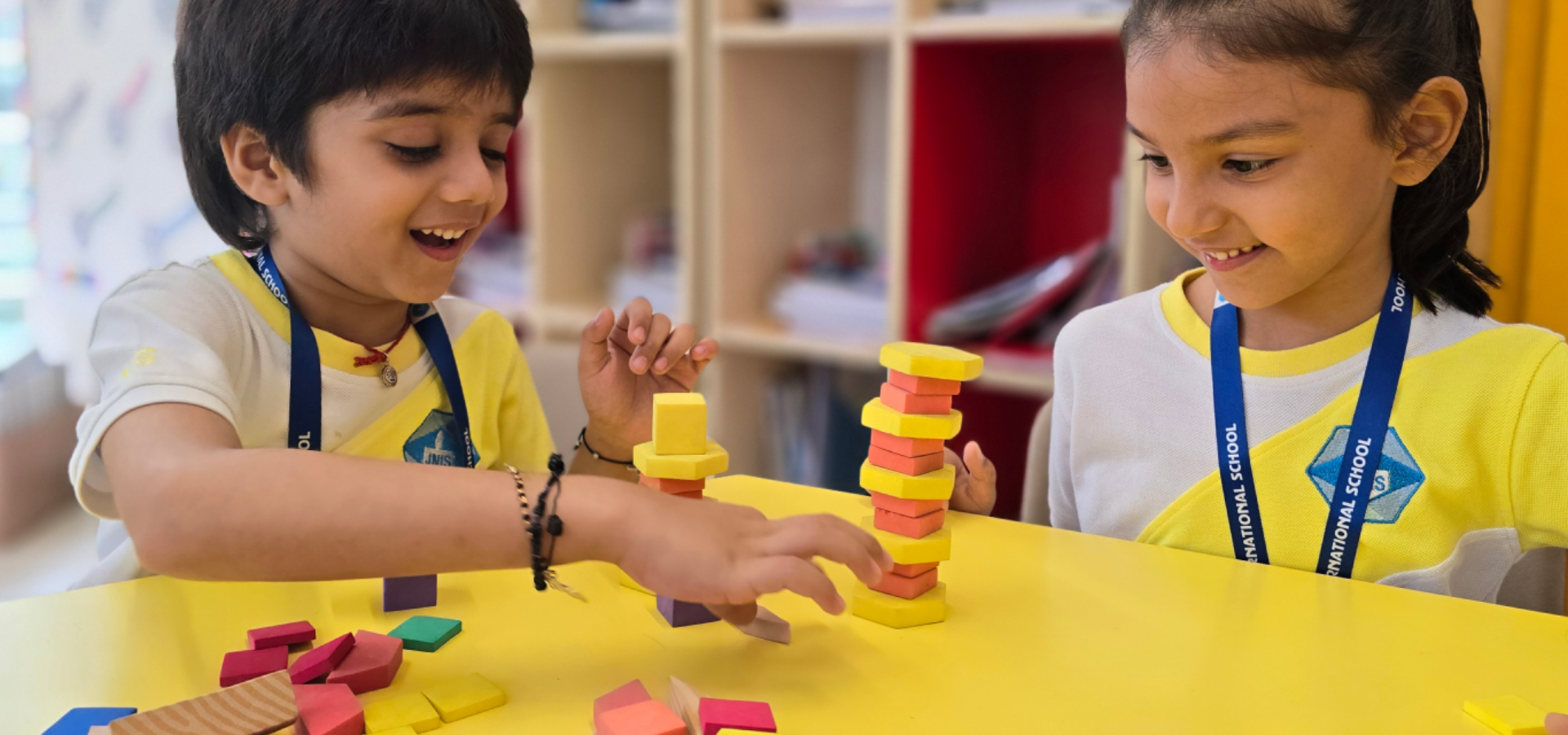
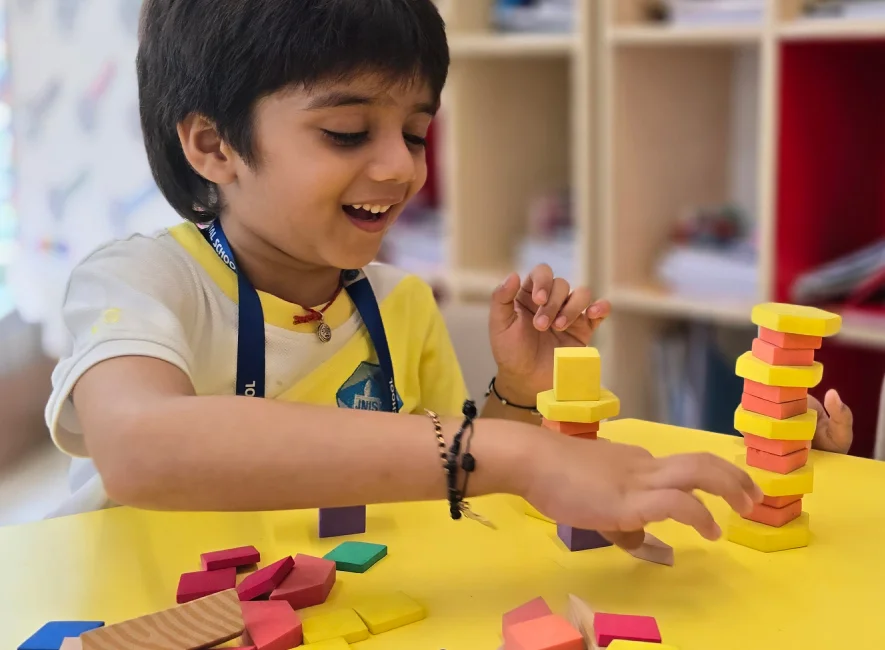
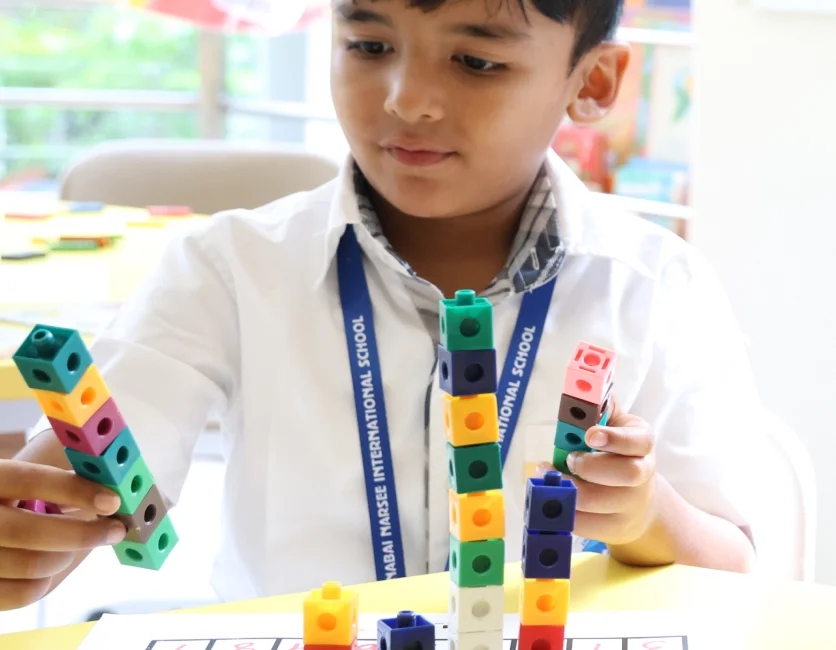
At JNIS, Primary Years learners explore, question, create, and collaborate in spaces that make every day feel purposeful and full of discovery.
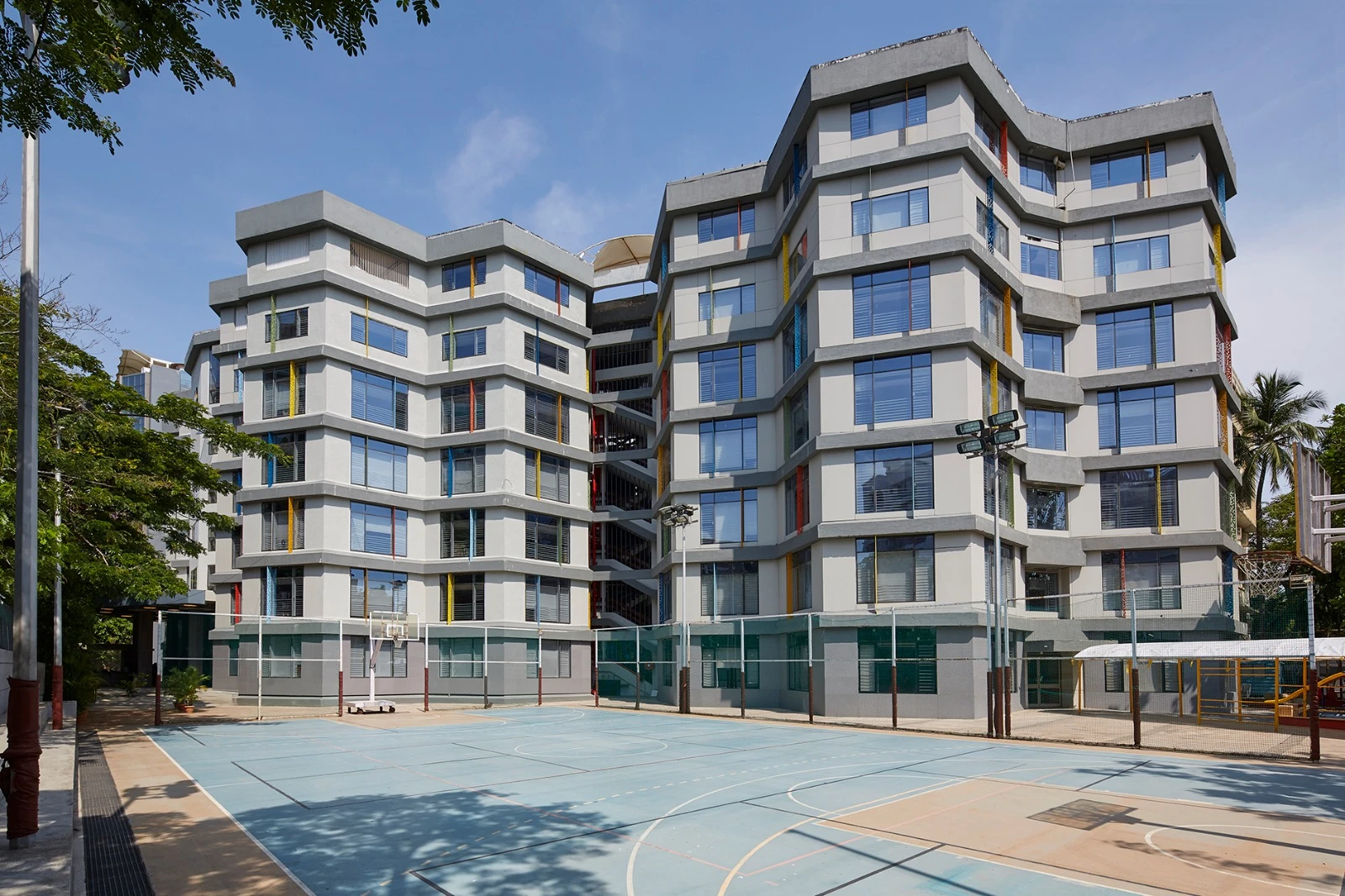
From bright classrooms to outdoor learning moments, our PYP environment encourages children to think independently, work together, and grow with confidence.
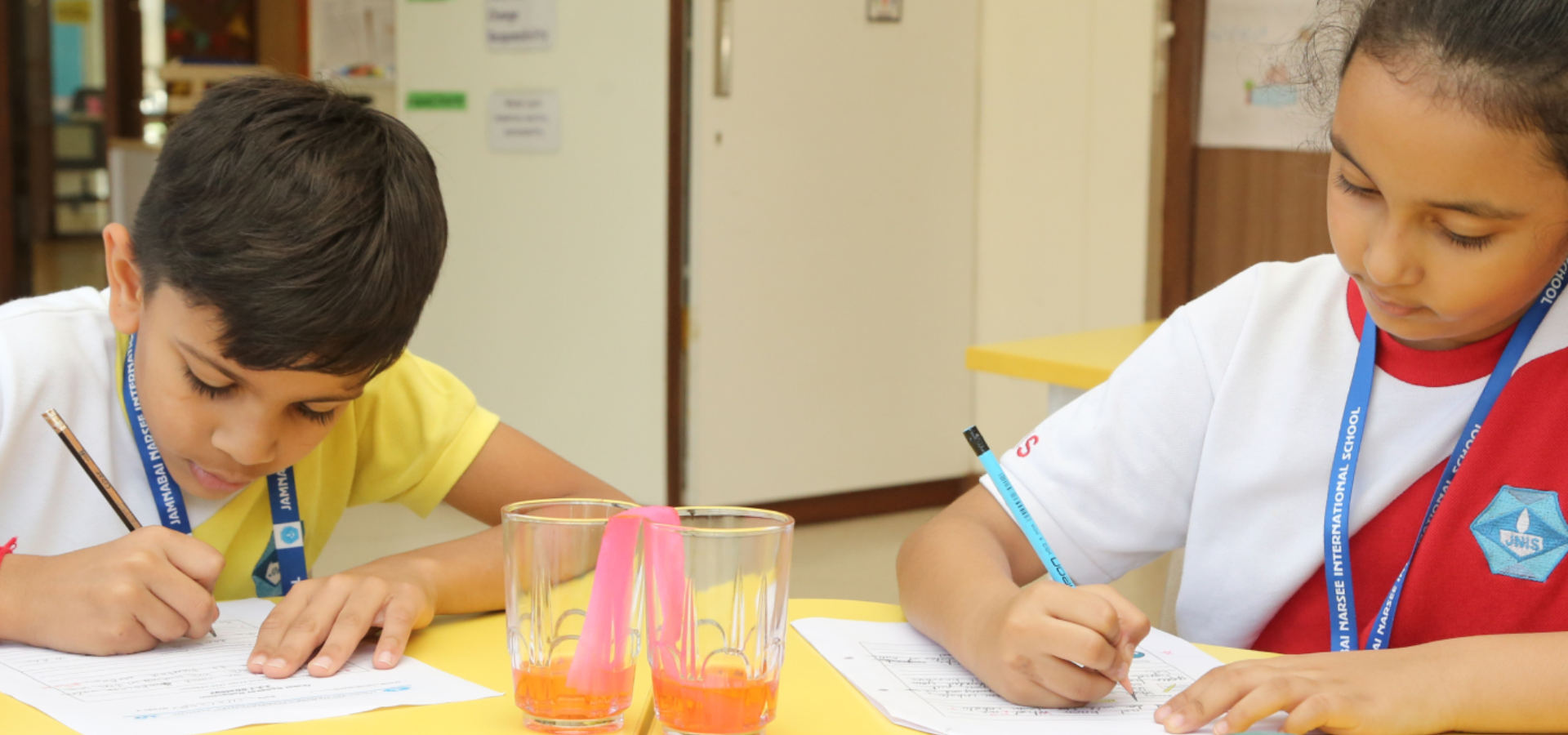
Every corner is designed to support hands-on learning, joyful exploration, and the confidence to ask better questions.
Quick answers to what parents ask most about the Diploma Programme (IBDP) at JNIS.
What is the IBDP?
How is the IBDP curriculum structured?
How many subjects do students study in the IBDP?
What is the difference between Higher Level (HL) and Standard Level (SL) subjects?
What is the Extended Essay (EE)?