




International Curriculum
A globally recognised curriculum that builds strong subject knowledge, broadens perspectives and prepares students for a changing world.
Global Outlook

The Cambridge IGCSE programme offers a globally recognised education that balances academic rigour with curiosity, critical thinking and practical application. With a broad and flexible choice of subjects, students explore their interests, broaden their perspectives and develop the confidence, knowledge and skills to navigate an evolving world.
Learners embark on a learner-centred, inquiry-driven journey that extends far beyond the classroom. Alongside academic rigour, students engage in sport, field trips, educational tours, exhibitions and the International Award for Young People (IAYP), cultivating confidence, creativity and leadership while becoming reflective, responsible and innovative global citizens.
At JNIS, the Cambridge programme is about far more than examination results. It is about what students become along the way—curious thinkers, articulate communicators and independent learners who are confident in expressing their ideas and equipped to keep learning beyond the classroom.
Students begin in Grade 8 with the Cambridge Lower Secondary Checkpoint, offering an internationally benchmarked understanding of their academic progress before they choose their IGCSE subjects for Grades 9 and 10. From there, the emphasis is on genuine understanding, academic rigour and the ability to apply knowledge rather than simply memorise it.
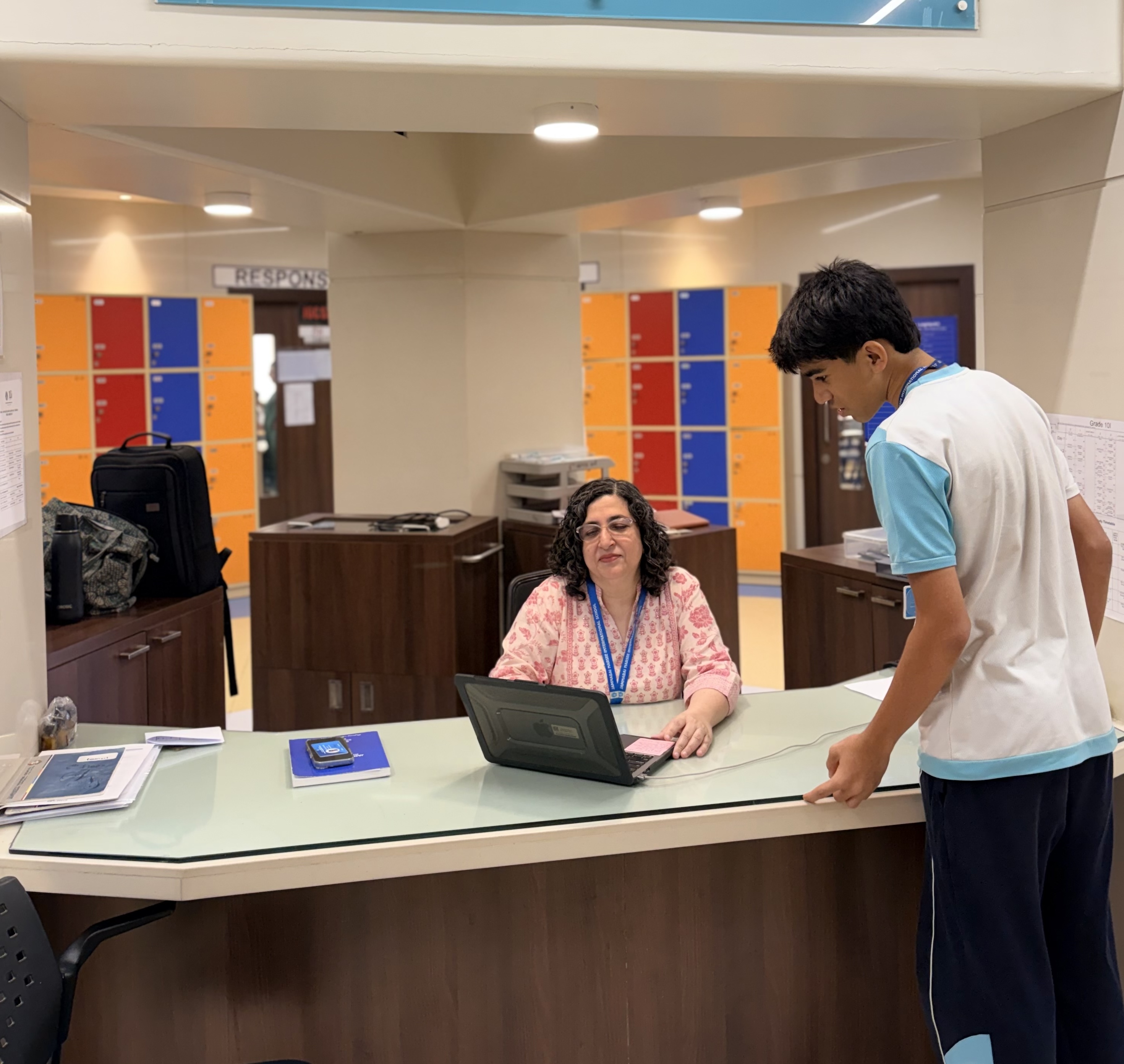
Walk through the Cambridge foyer and you will see this approach in action: students questioning, exploring, discussing and connecting what they learn to the world around them. It is this blend of strong academic foundations and experiential learning that makes the Cambridge journey at JNIS both rigorous and relevant. We are delighted that you are considering being part of it.
A globally recognised curriculum that builds strong subject knowledge, develops analytical thinking and brings learning to life through application.
A globally recognised curriculum that builds strong subject knowledge, broadens perspectives and prepares students for a changing world.

A diverse range of subjects enables students to explore interests, discover strengths and shape a learning pathway that is their own.
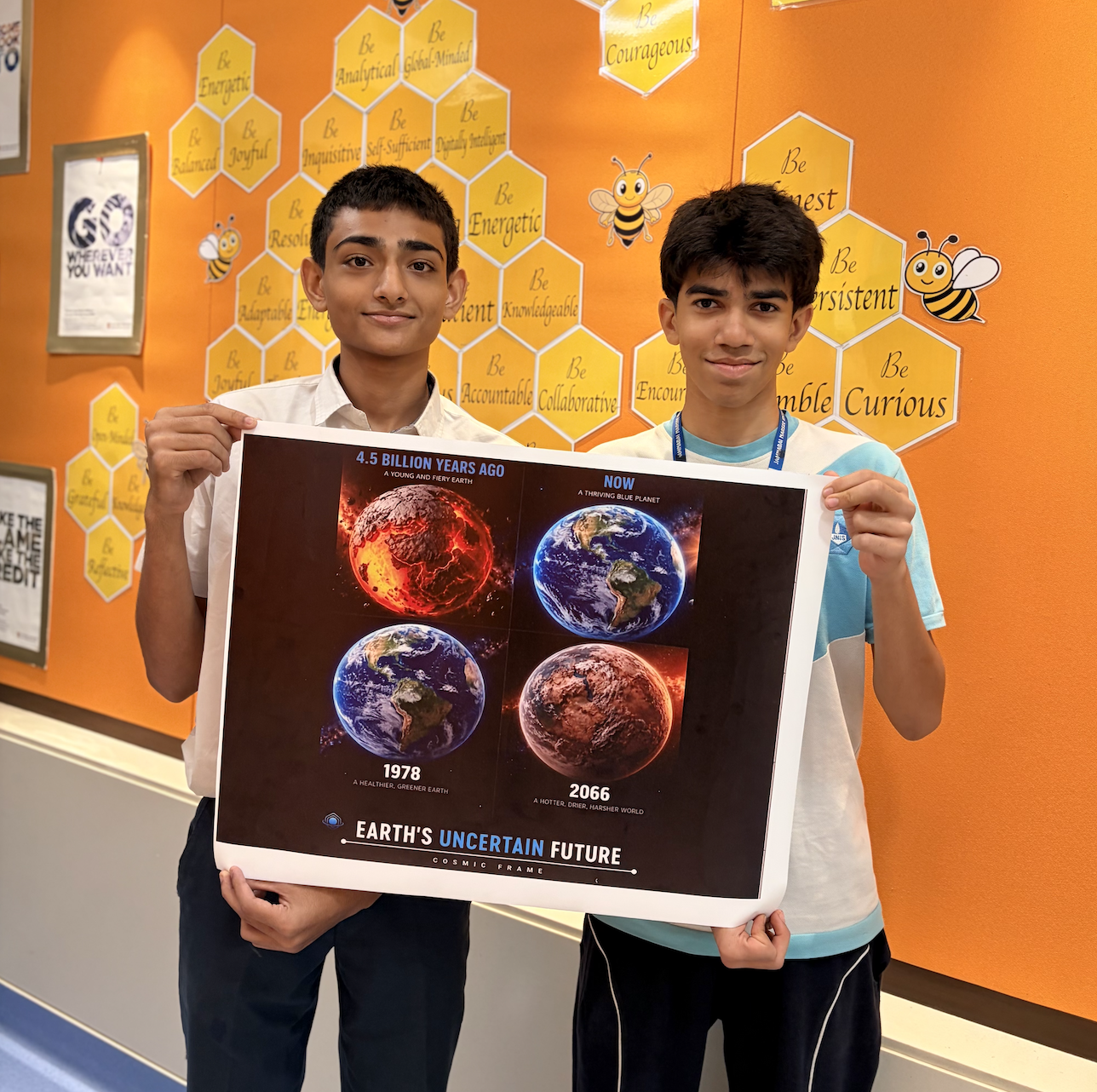

Research, critical thinking and independent enquiry equip students to navigate complexity, evaluate ideas and solve problems with confidence.

Clear pathways from IGCSE to the IBDP or ISC enable students to progress confidently while choosing the programme that best suits them.
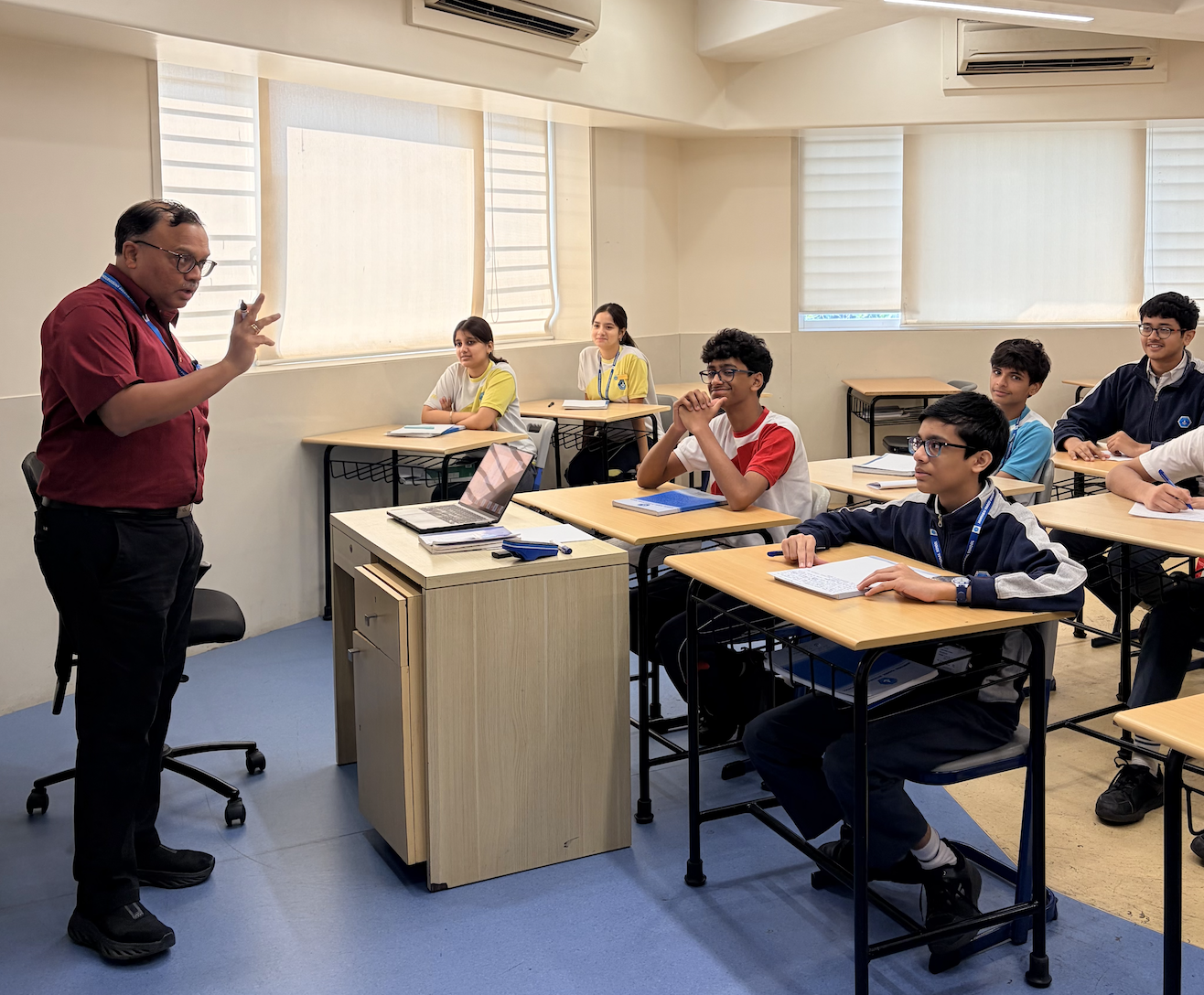

Engaging discussions, collaborative learning and opportunities to share perspectives place students at the heart of their learning.
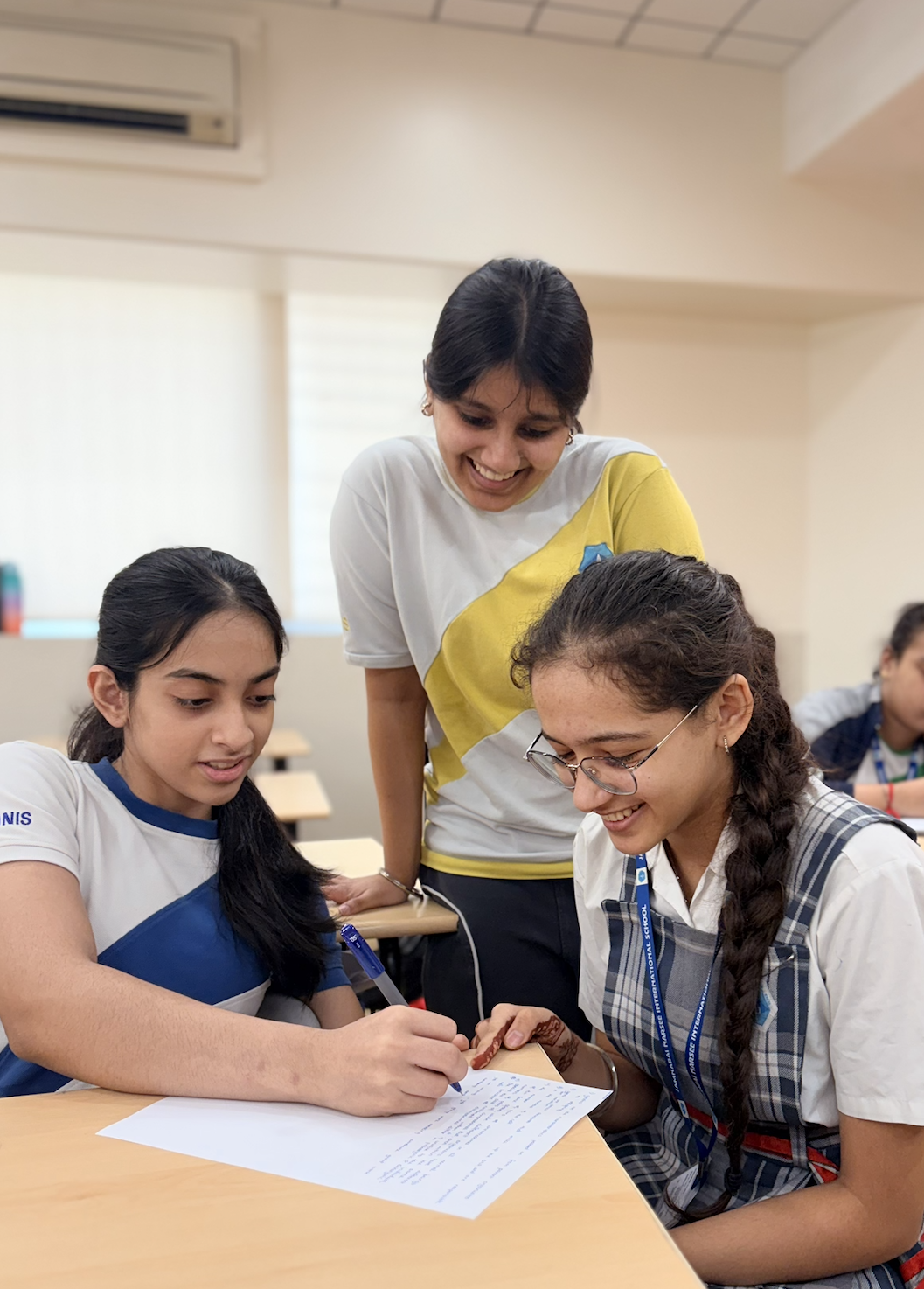
At JNIS, every learning experience is designed to shape thoughtful, capable and confident individuals who can collaborate, lead with empathy and contribute meaningfully in a changing world.
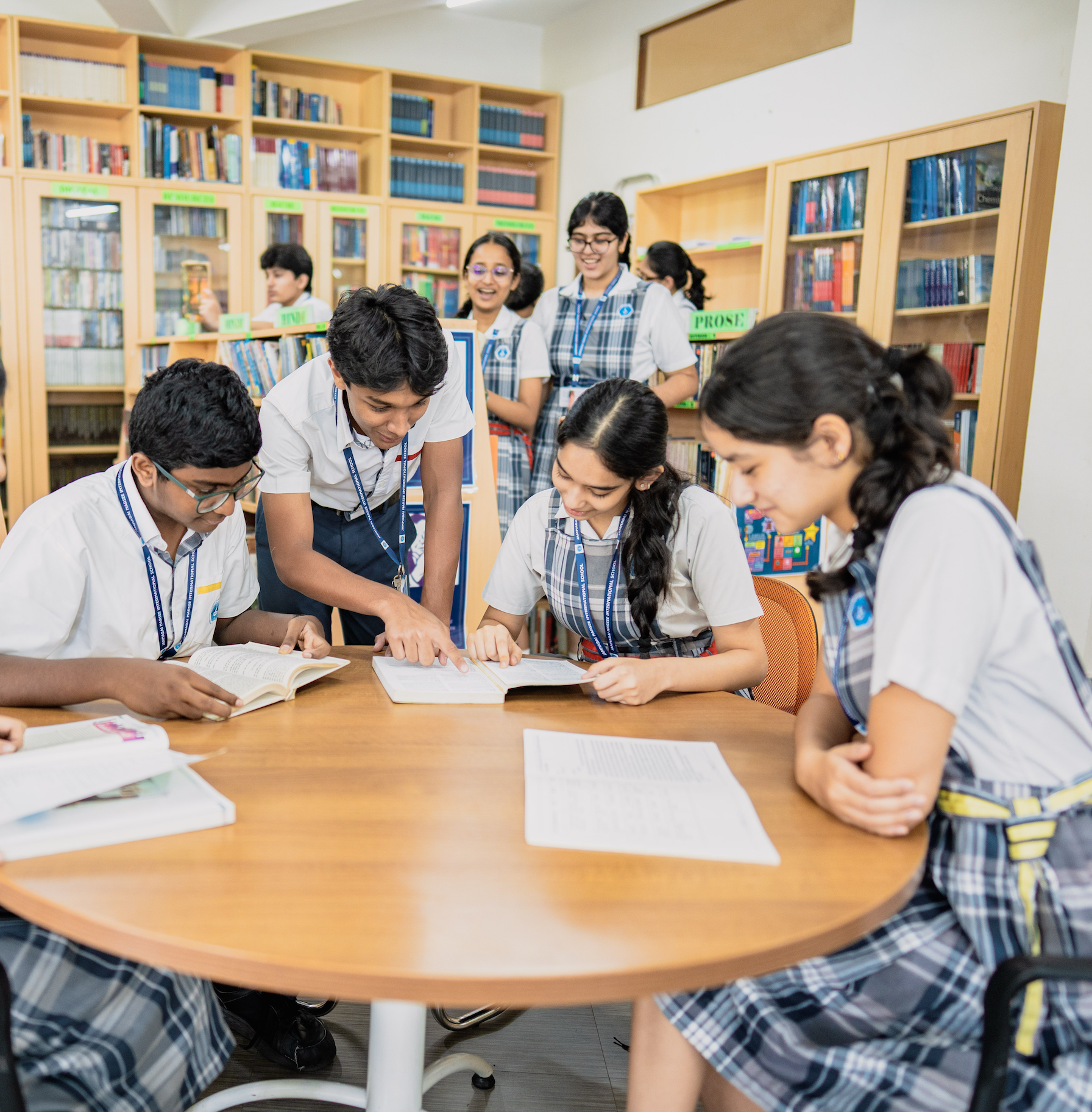
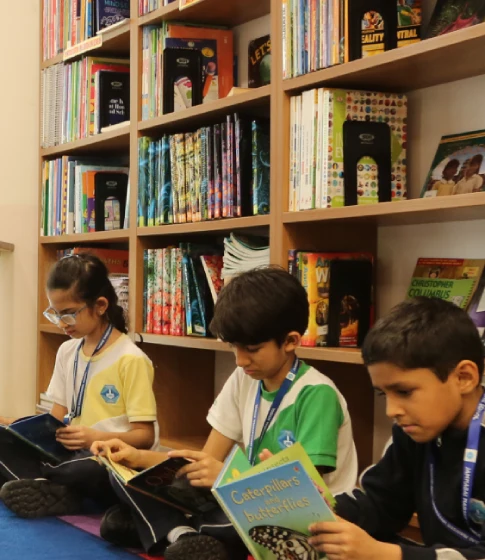
Our library nurtures reading, research and independent learning through a thoughtfully curated collection of print and digital resources. It gives students a calm, inspiring space to explore ideas and deepen understanding.
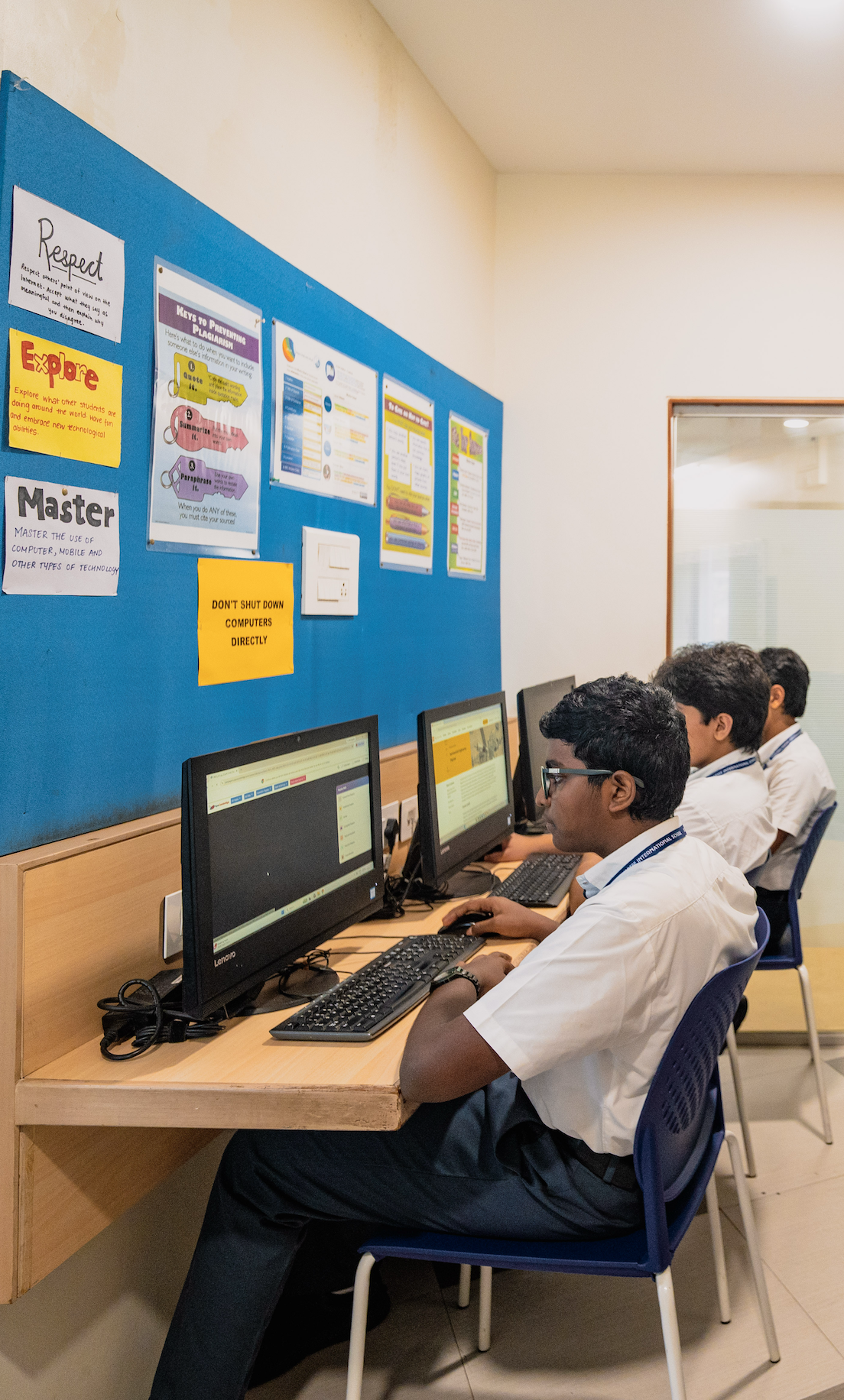
Students benefit from seamless access to digital tools, platforms and learning resources that support collaboration, creativity and flexible exploration. Technology is integrated meaningfully to enrich everyday learning.
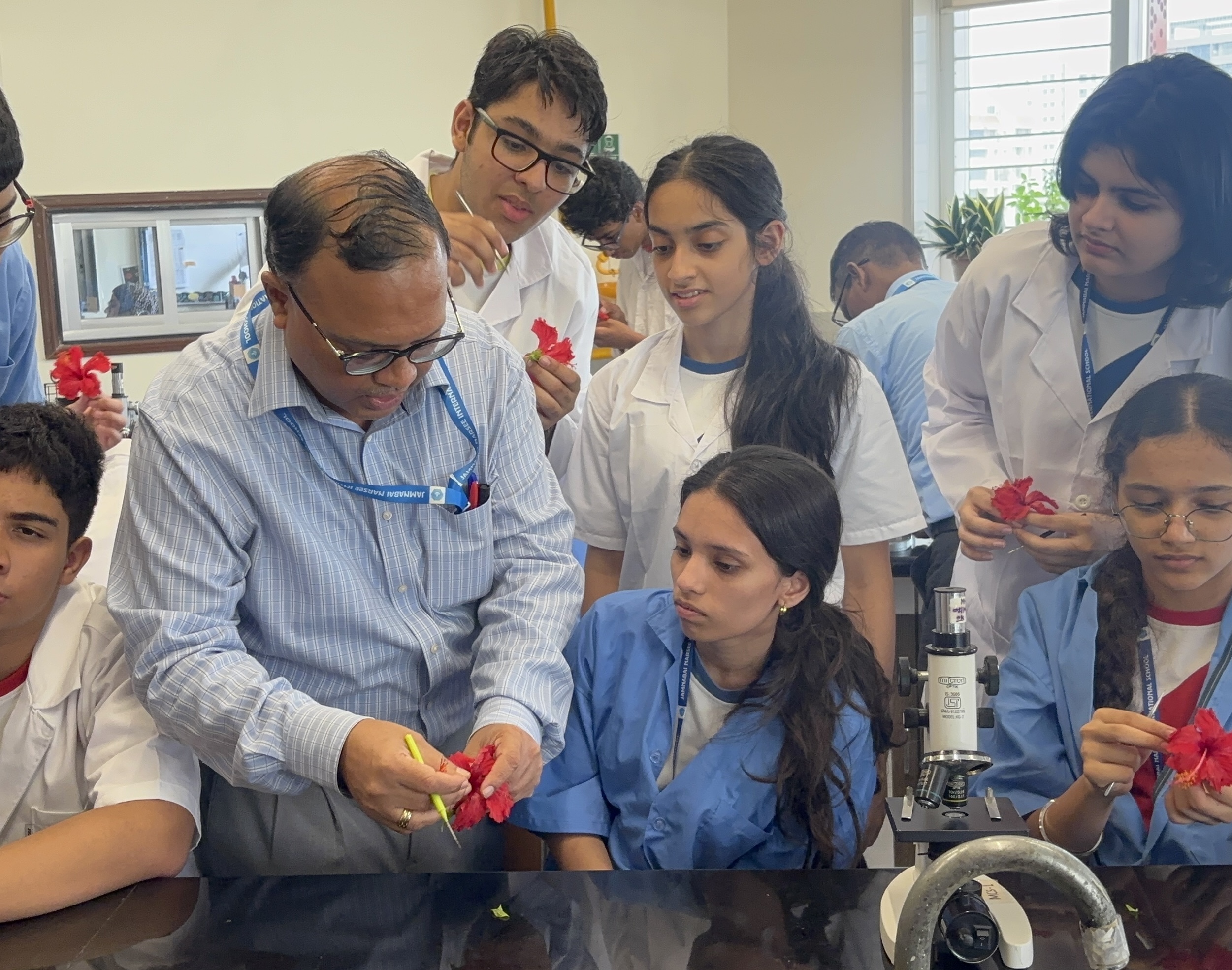
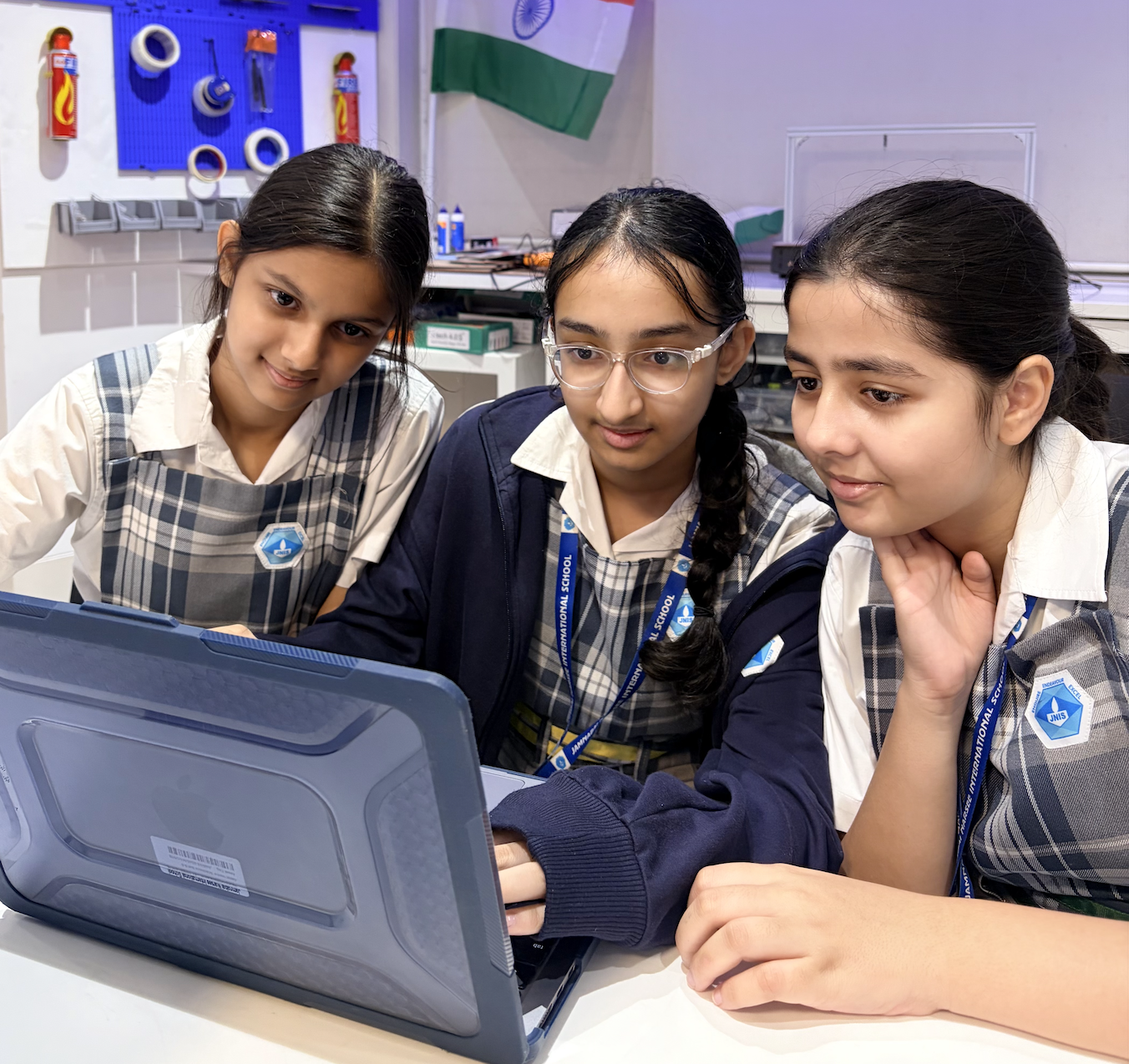
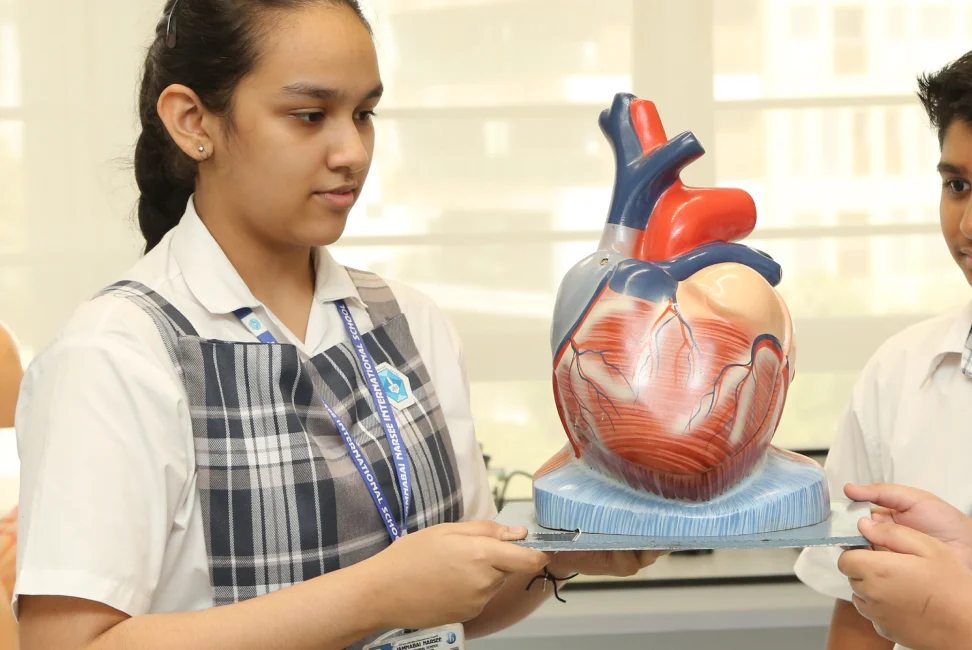
Our lab spaces encourage experimentation, observation and hands-on discovery. Students build scientific thinking, problem-solving skills and confidence by engaging directly with practical learning experiences.
Students learn through discussion, discovery and experiences that extend beyond the classroom.
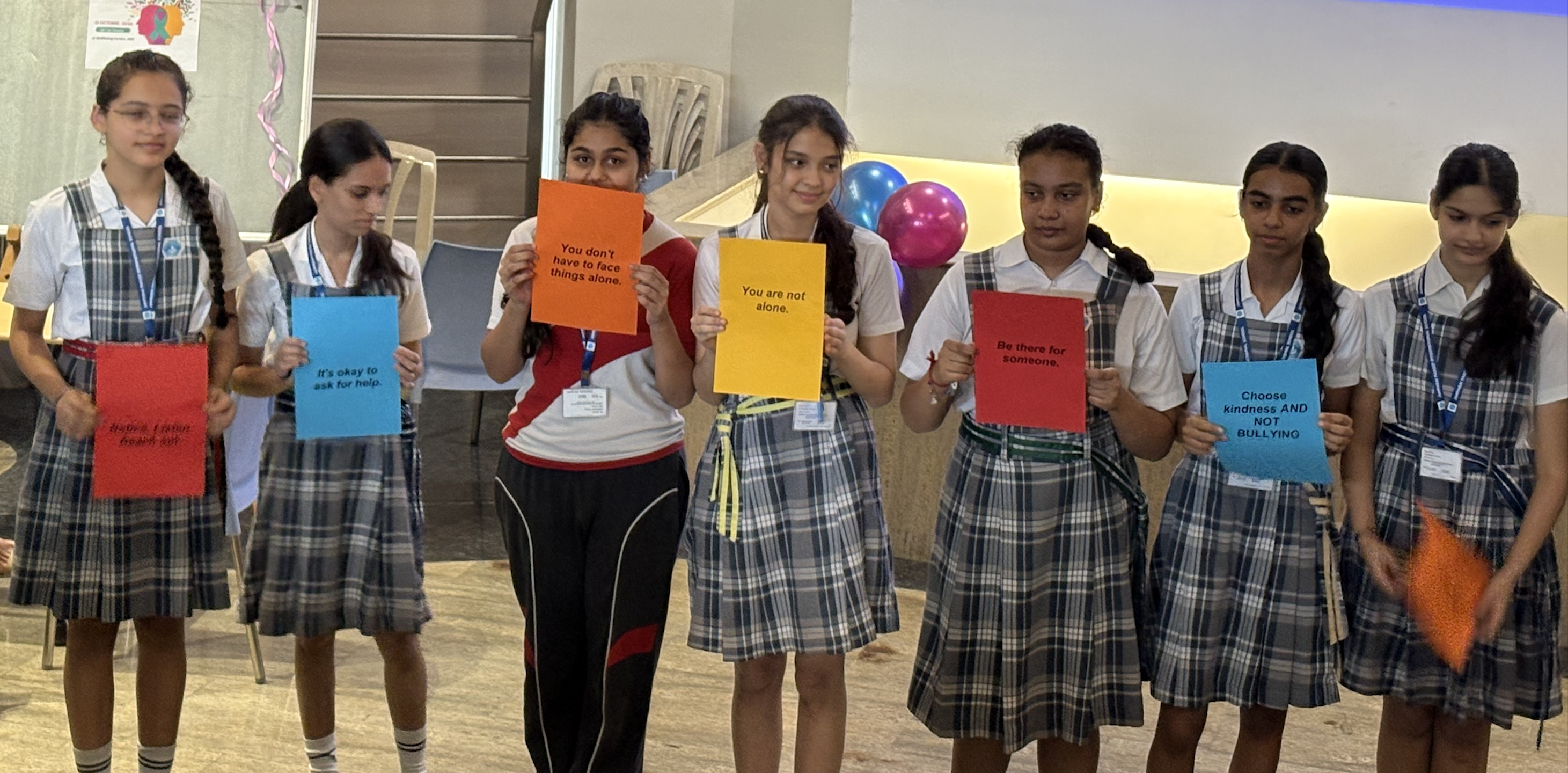
Assemblies bring students together to share ideas, celebrate achievements and engage with the wider school community.
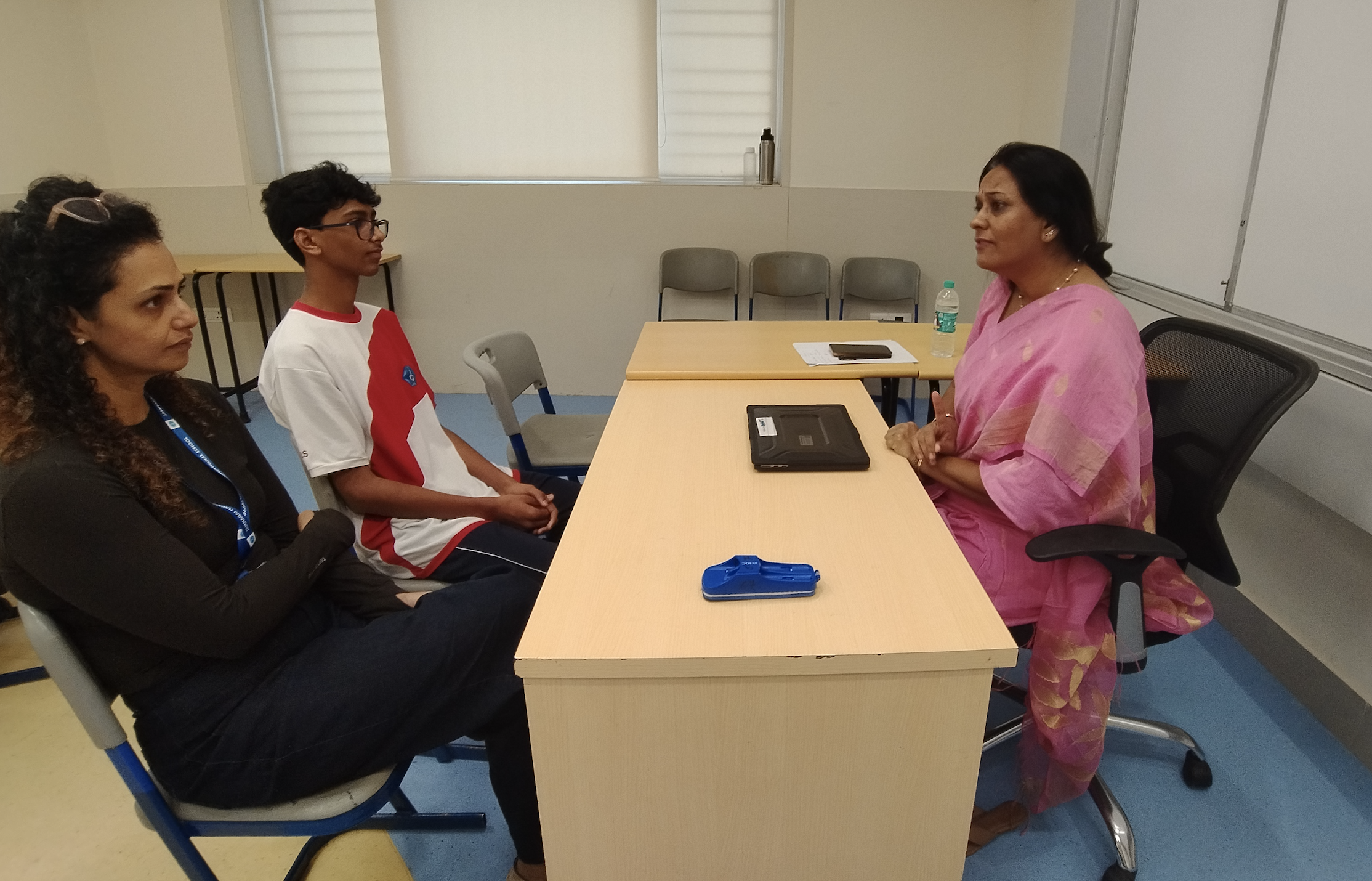
Meaningful dialogue between parents and teachers support student progress, learning goals and individual growth.
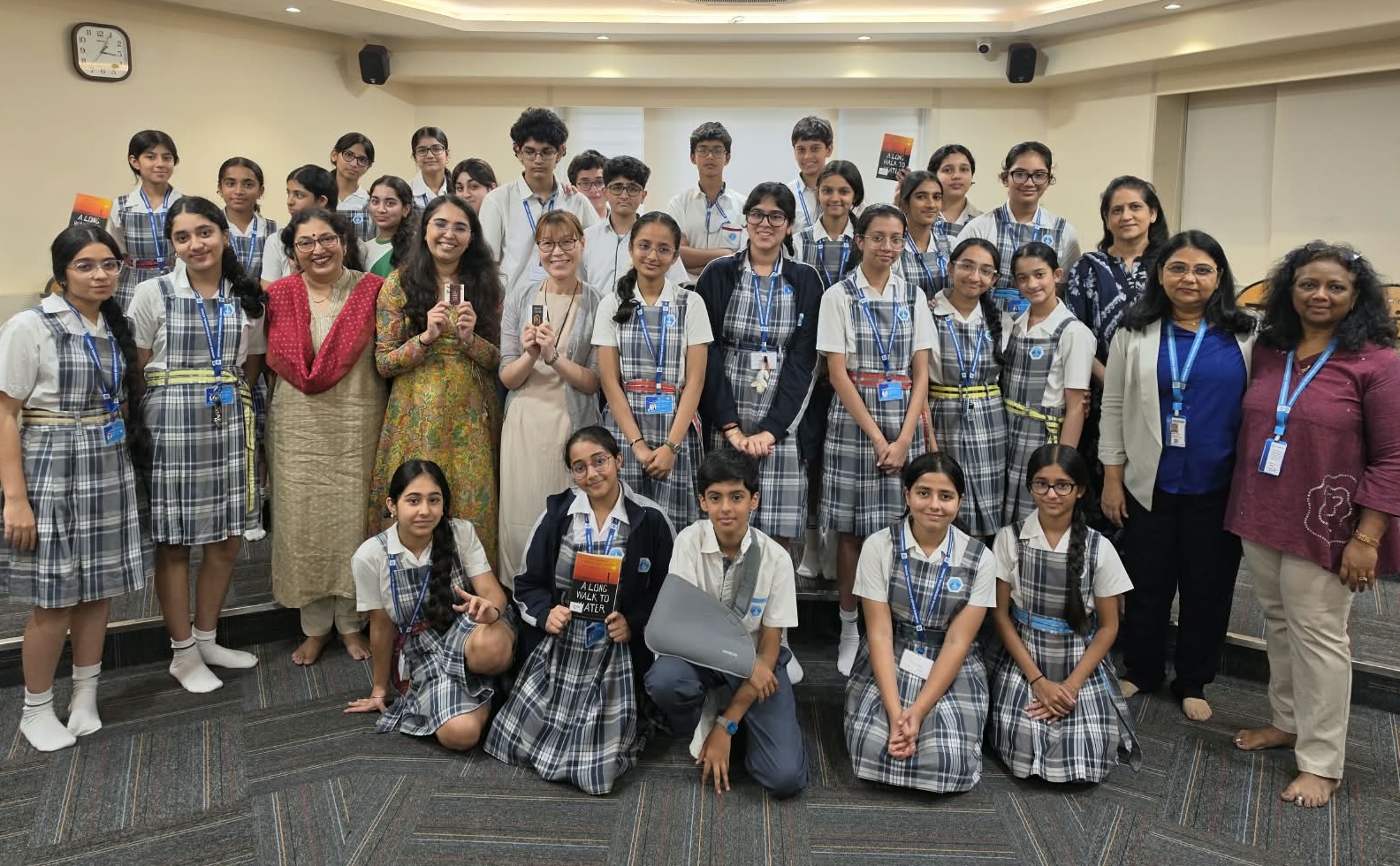
This encourages students to read four books a year and culminating activities to share reflections and celebrate their reading journey.
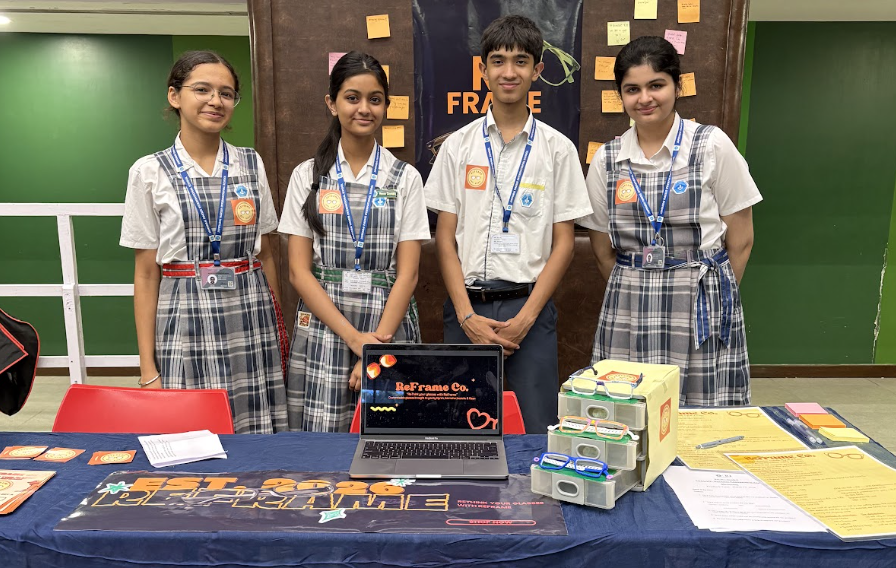
Students bring business ideas to life, exploring innovation, prototyping and costing before presenting their concepts.
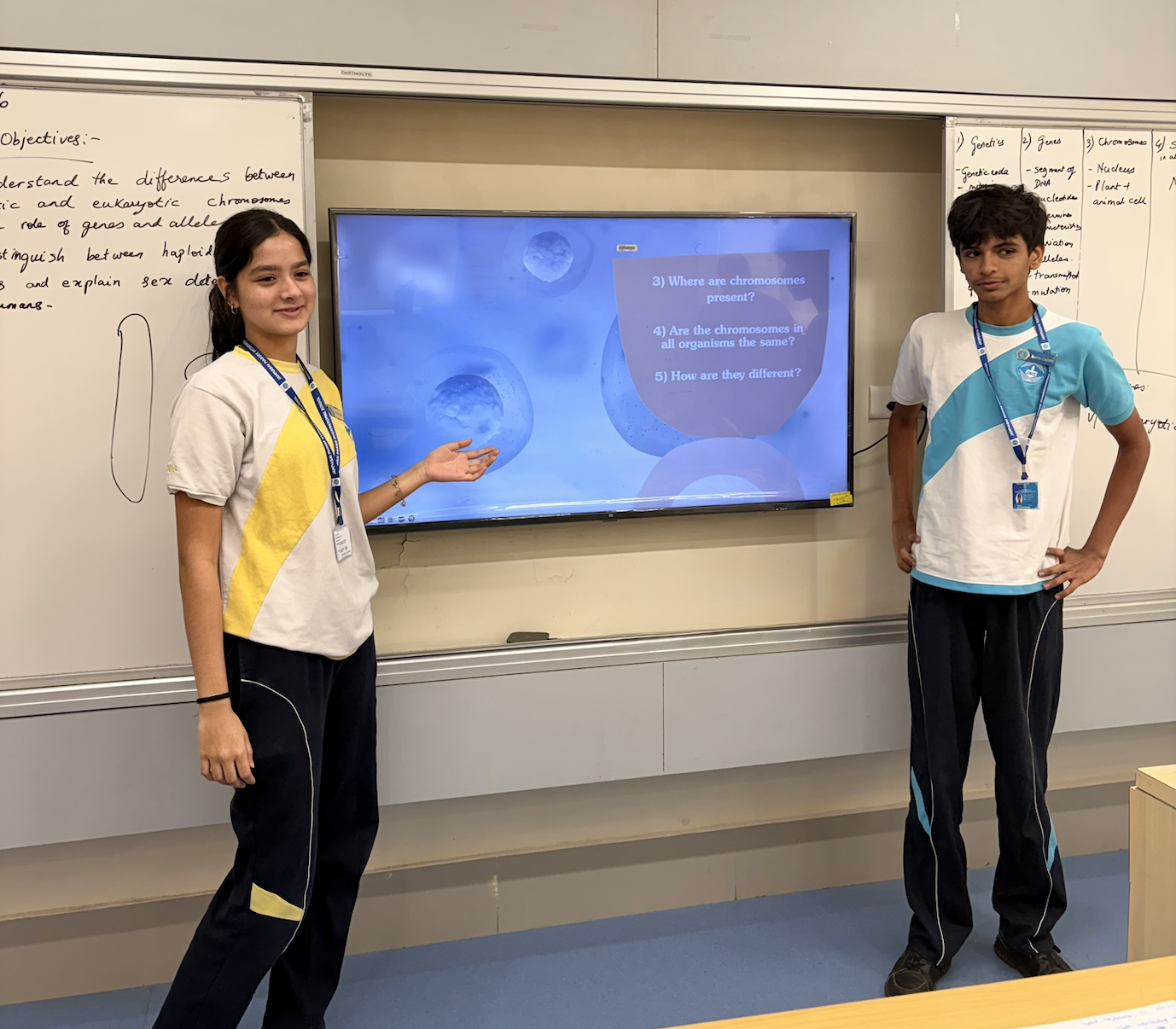
Students learn with and from one another, exchanging perspectives, sharing knowledge and developing confidence.
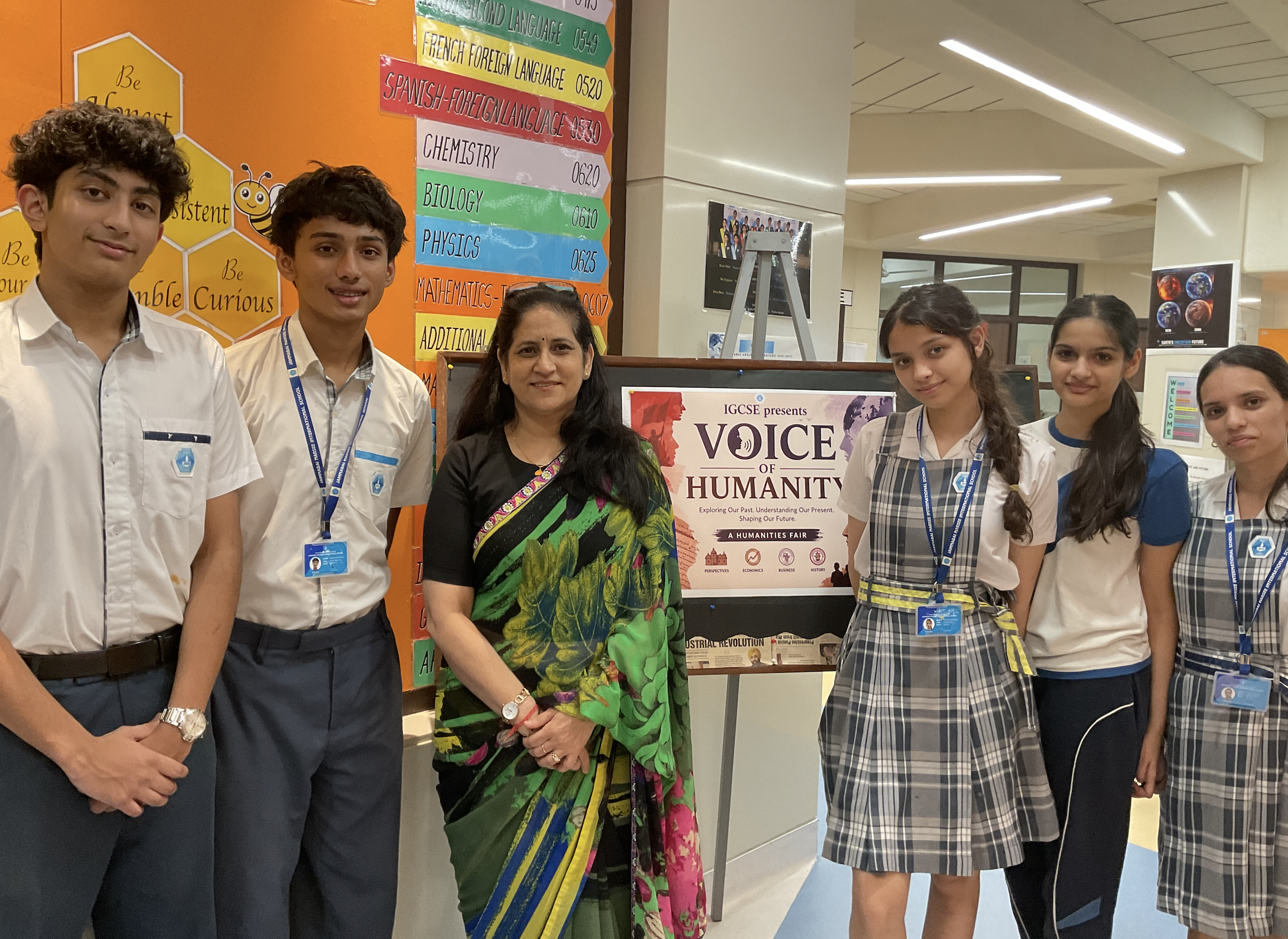
An interdisciplinary exhibition invites students to explore history, politics, economics and business through a shared lens.
In our STEM lab, students build computational thinking and programming skills through games, animations and Python projects, creating efficient programs that solve real problems and lay the foundation for automation, AI and robotics.
Share ideas, communicate and build solutions together.
Question assumptios, experiment and investigate how the world works.
Design, build, test and improve ideas into real-world solutions
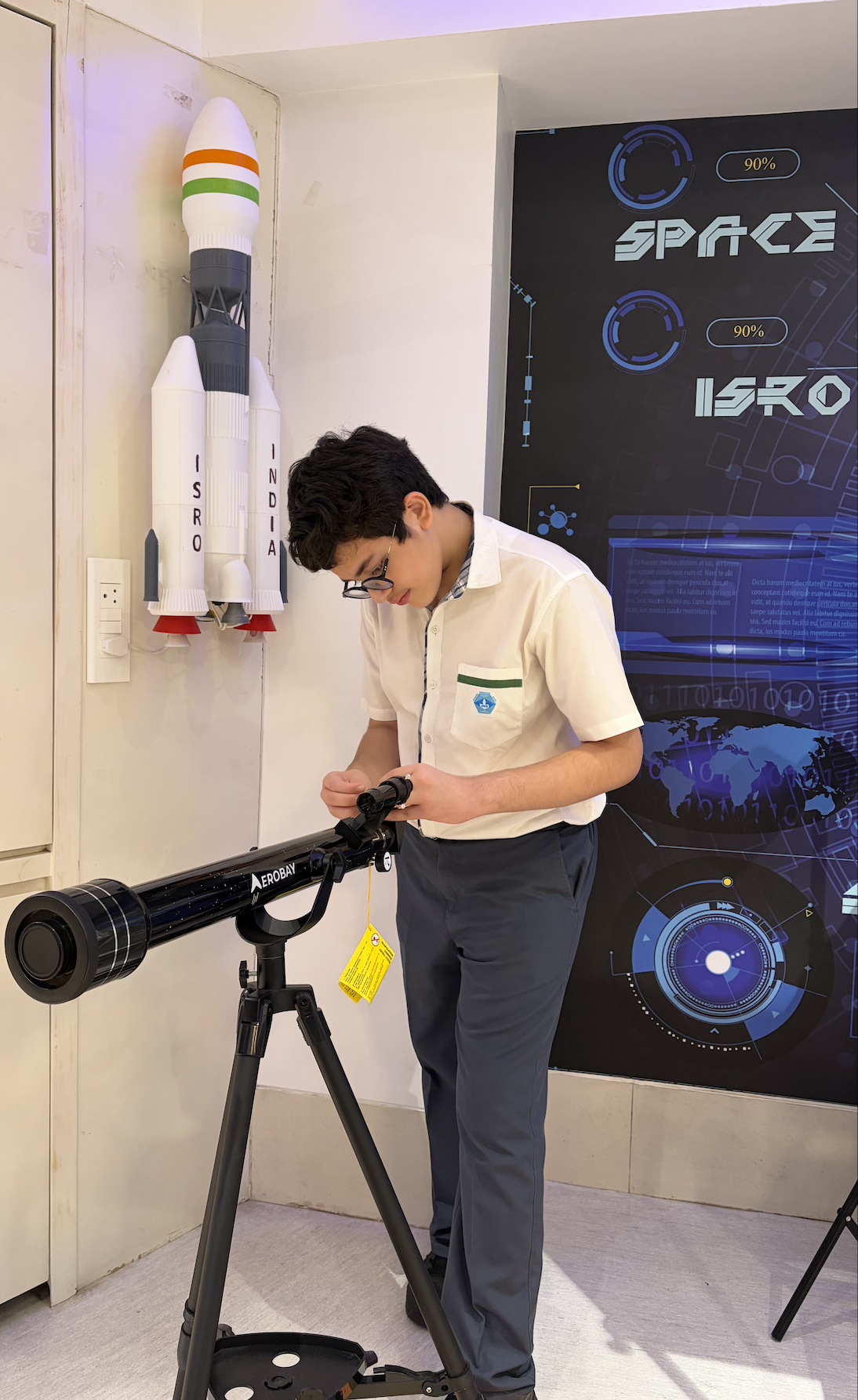 Creative Collaboration
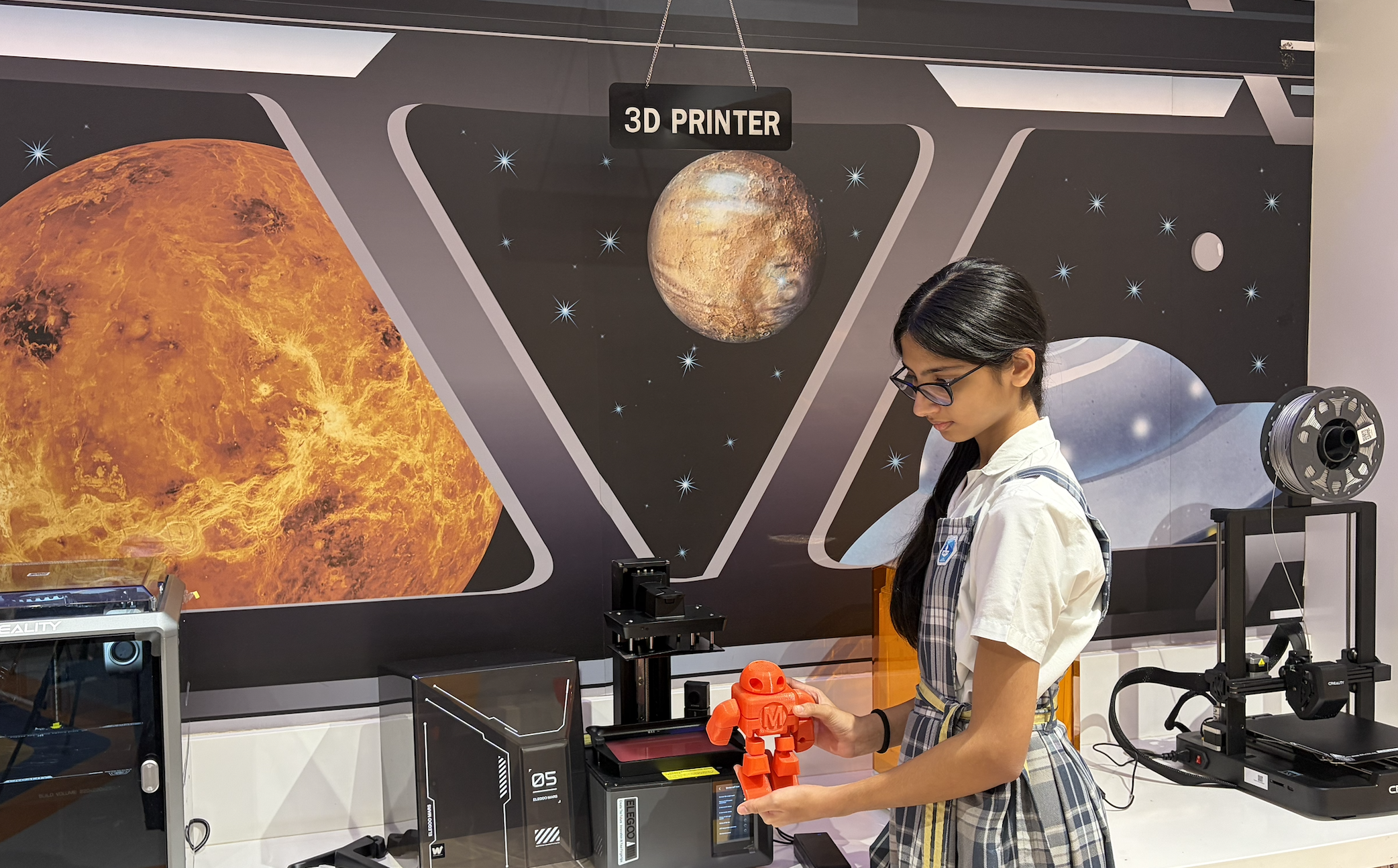 Hands-On Learning
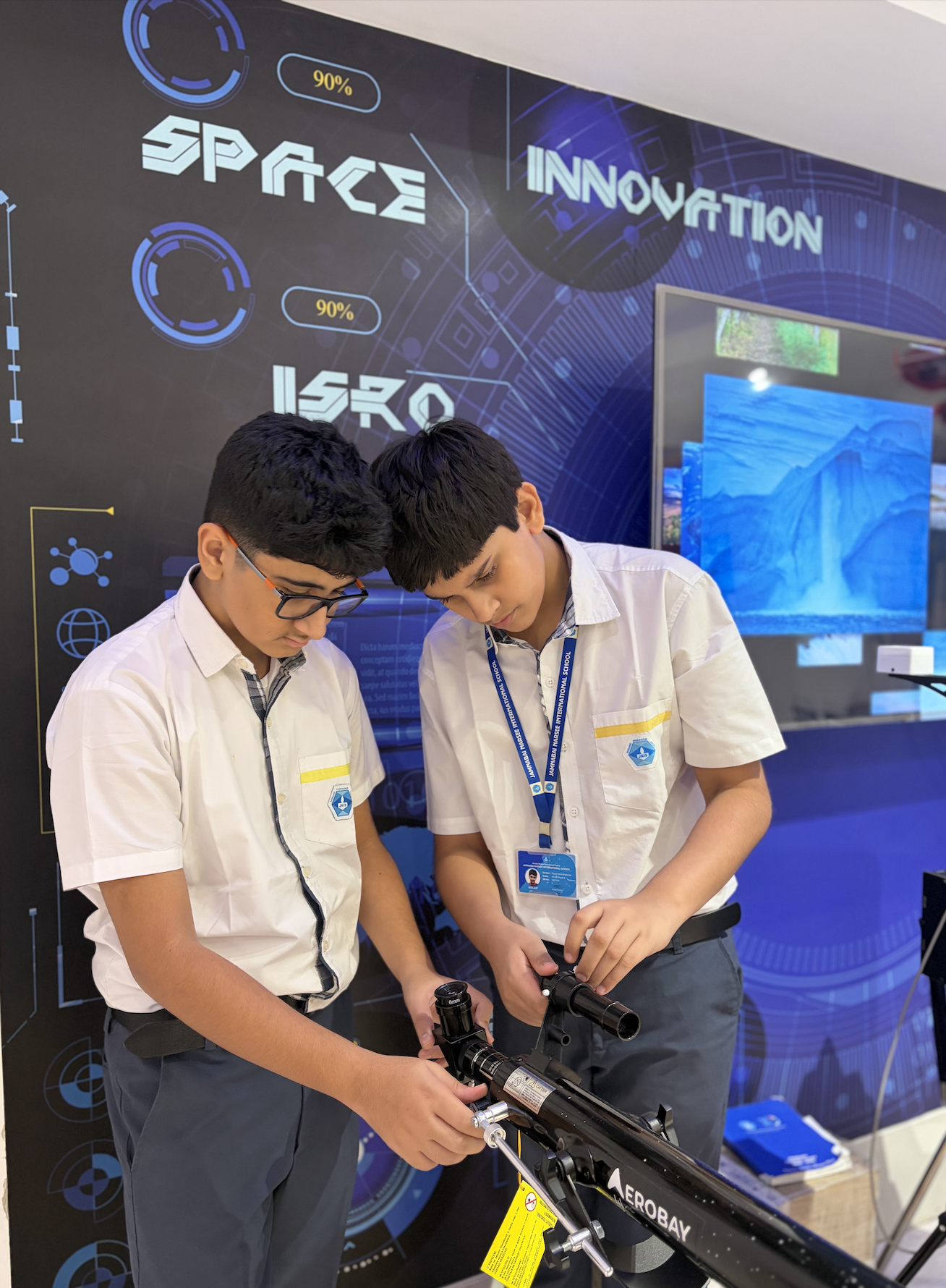 Future Ready
Explore our curated gallery collections, featuring captivating works from renowned artists. Immerse yourself in upcoming exhibitions and events that celebrate creativity and expression.
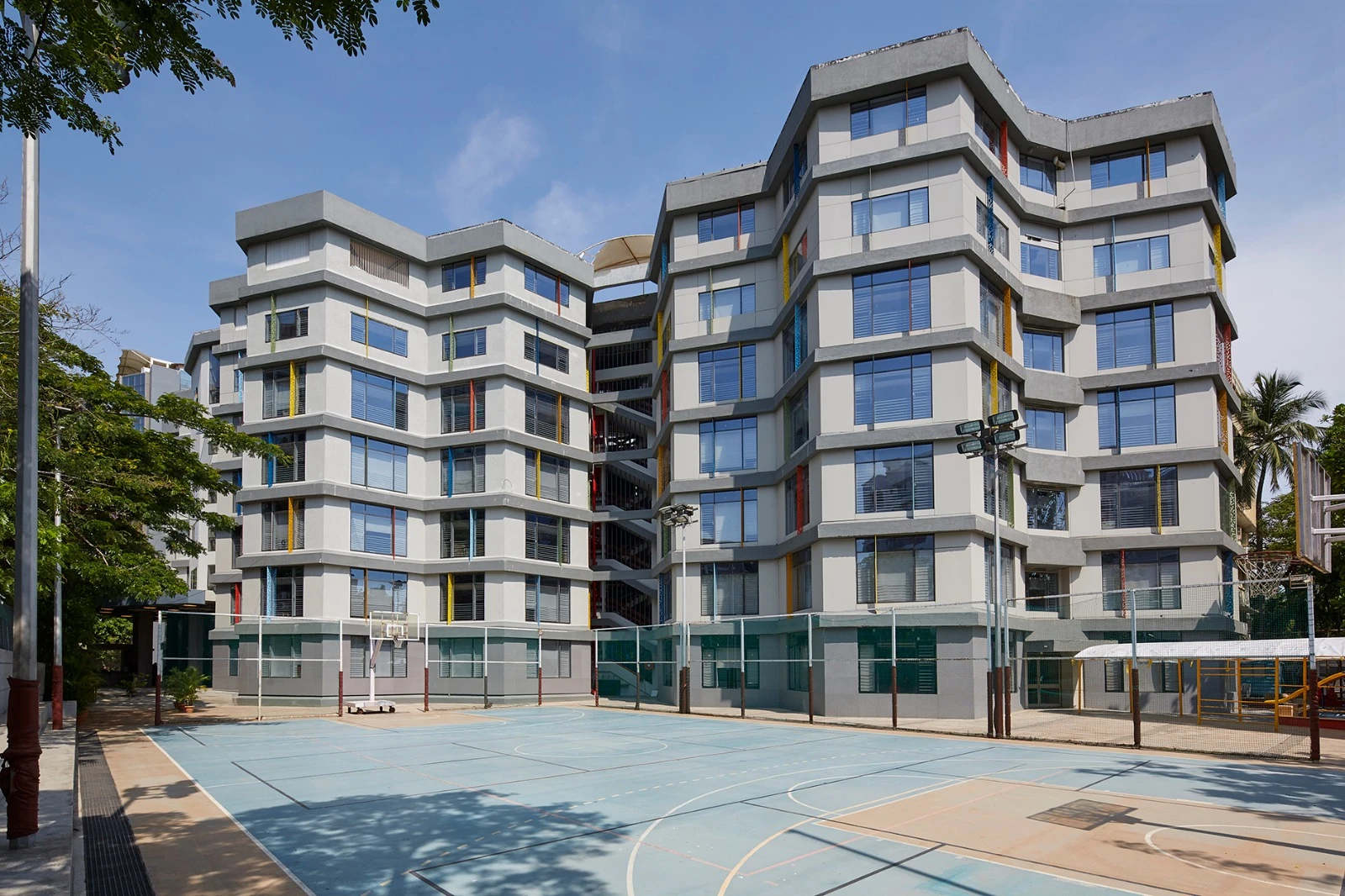










Quick answers to what parents ask most about the cambridge IGCSE at JNIS.
Can students from other educational boards transition to Cambridge IGCSE?
What distinguishes the Cambridge IGCSE curriculum from other curricula?
How are students supported as they transition into Grade 8?
How are students assessed in the Cambridge IGCSE programme?
Is the Cambridge IGCSE qualification recognised internationally?