




Critical Thinking
Develops analytical minds who question assumptions, evaluate ideas and approach challenges with purpose.
Questioning Minds
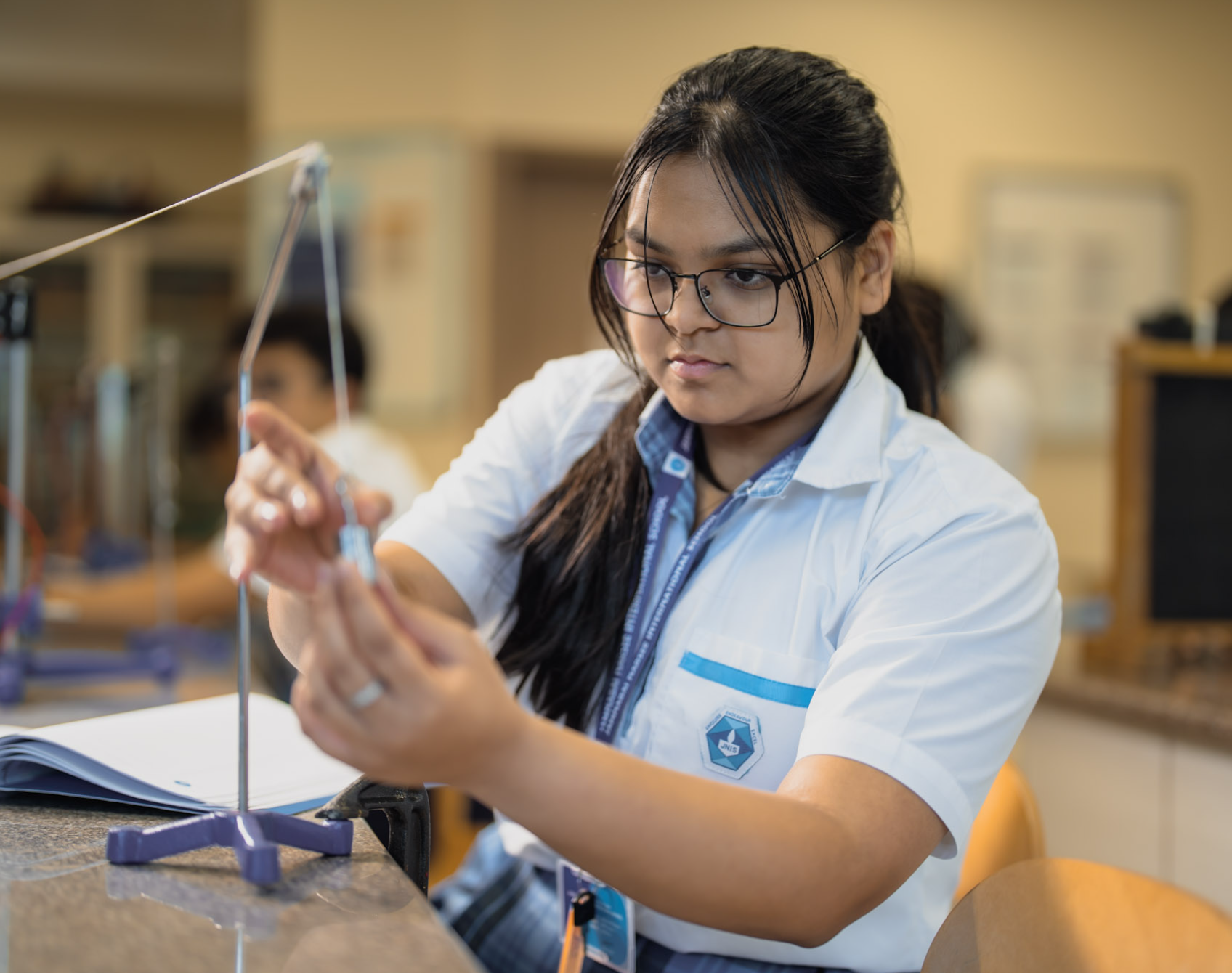

The IB MYP at JNIS offers concept-driven, inquiry-based learning that combines academic rigour with real-world application. Across Grades 6–10, students question, analyse, connect ideas and apply their understanding. Through the MYP eAssessment and Personal Project, they develop independent thinking and essential skills, articulate their ideas and translate them into intentional communication and meaningful action- thus building a strong foundation for the IB Diploma Programme.
Learning in the MYP extends beyond classrooms and textbooks. Through collaborative projects, real-world experiences, educational excursions, community engagement and co-curricular opportunities, students question, explore, create and take action. Personalised learning, meaningful feedback and increasing ownership nurture confident, independent learners who lead with purpose and make a positive difference in the world around them.
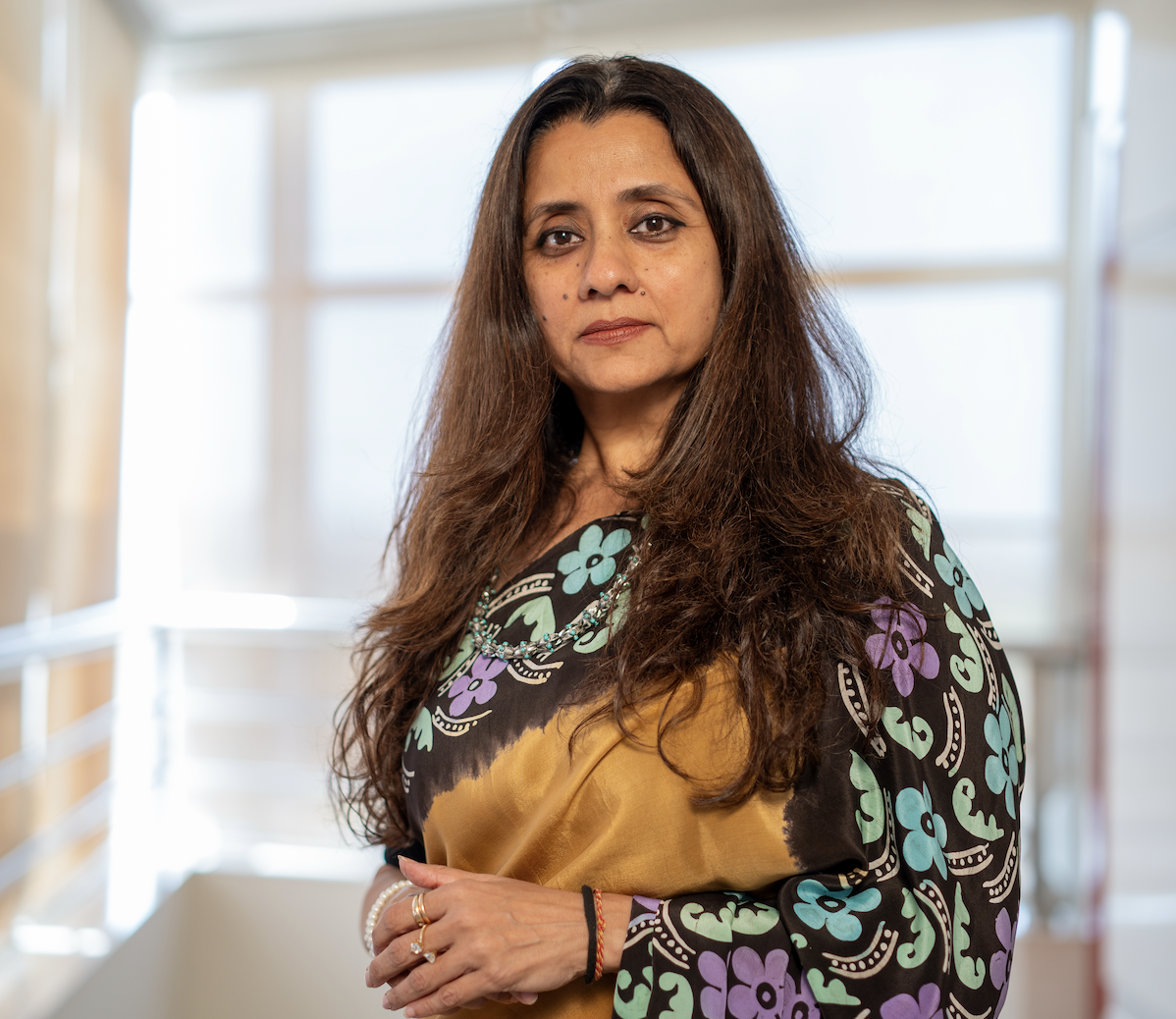
"Don't be afraid to question. Don't be afraid to be curious. And don't be afraid to think differently."
The MYP is not about simply learning more—it is about seeing more. Seeing connections between ideas. Seeing different perspectives. Seeing,how what happens in one part of the world can affect another.
At JNIS, I want our students to become thinkers who don't accept the world at face value. I want them to investigate, challenge, create, reflect and act.
My greatest hope is that they leave the MYP not just as better learners, but as more confident thinkers, compassionate human beings and responsible citizens of the world.
The world they will inherit is changing rapidly. Our job is not to tell them what that world will look like. Our job is to give them the curiosity, courage and skills to shape it.
“I am the master of my fate, I am the captain of my soul.” — William Ernest Henley, Invictus. May every student leave JNIS believing that they have the power to shape their own journey—and the courage to shape the world around them."
Through concept-driven, inquiry-based learning, the MYP develops critical thinkers who connect concepts, question deeply and apply knowledge meaningfully.
Develops analytical minds who question assumptions, evaluate ideas and approach challenges with purpose.

Empowers students to take ownership of their learning, make informed choices and become independent thinkers.
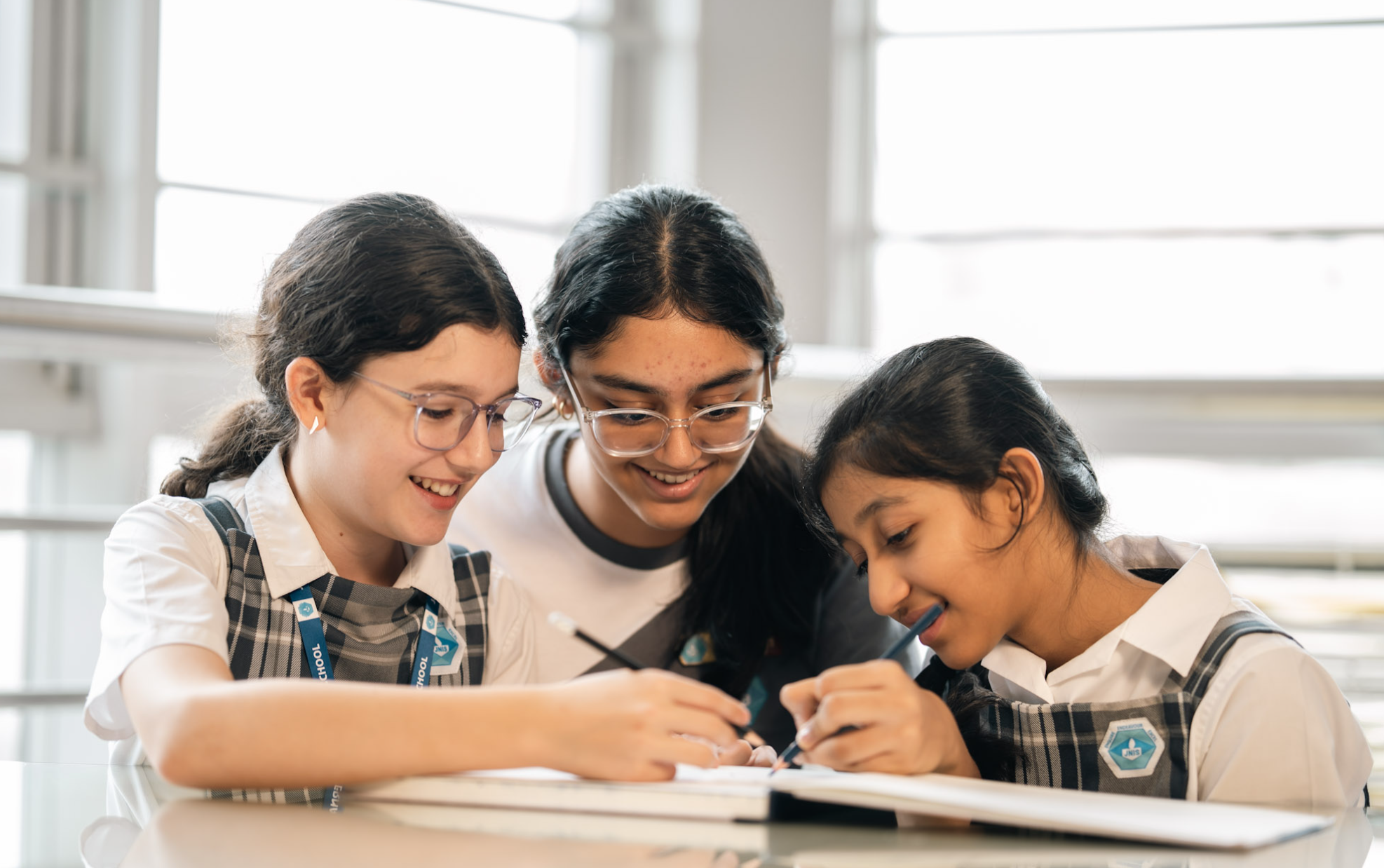

Encourages empathy and responsible action, inspiring students to contribute meaningfully to their communities.
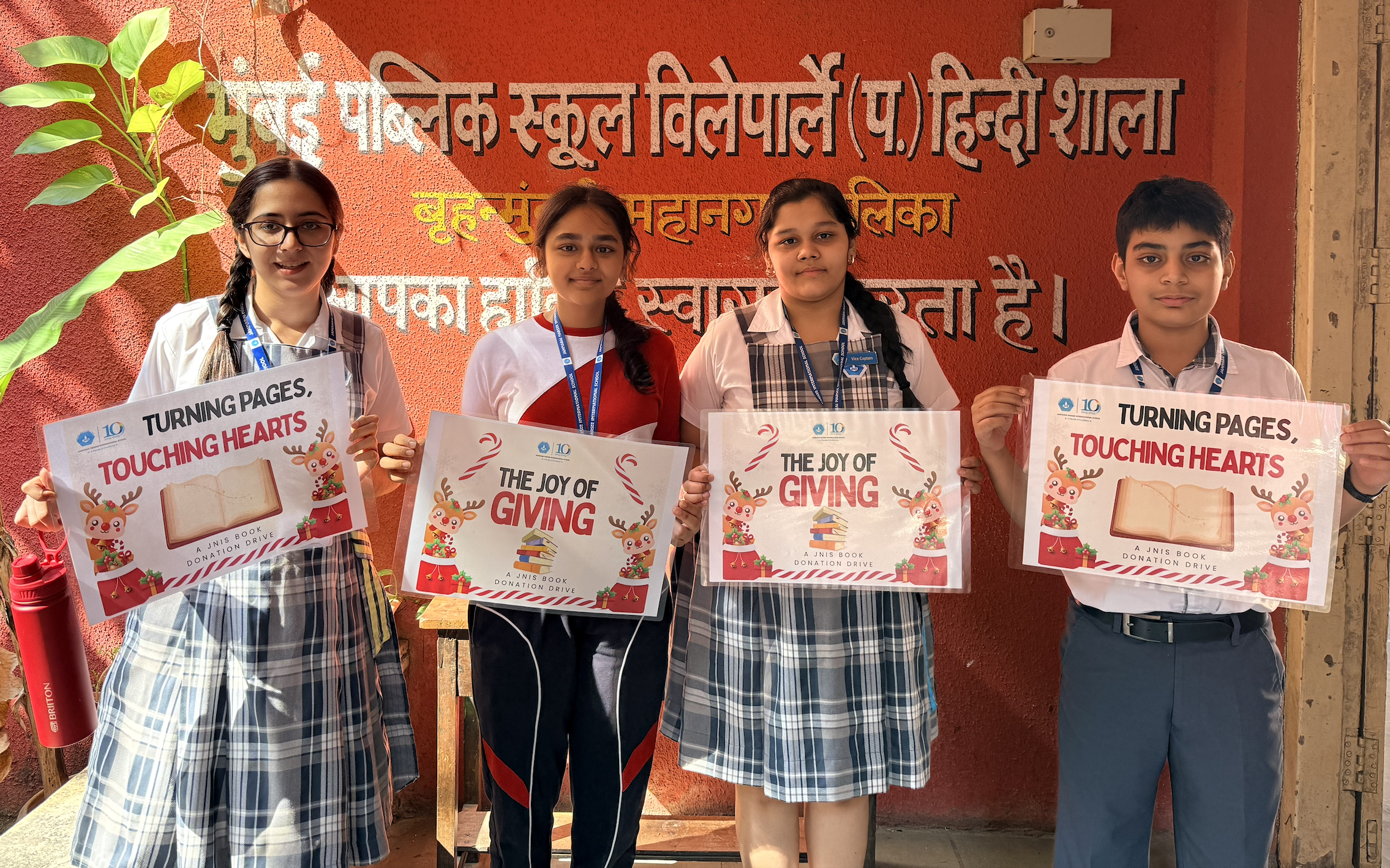

Builds deeper understanding by connecting concepts, ideas and knowledge across subjects and real-world contexts.
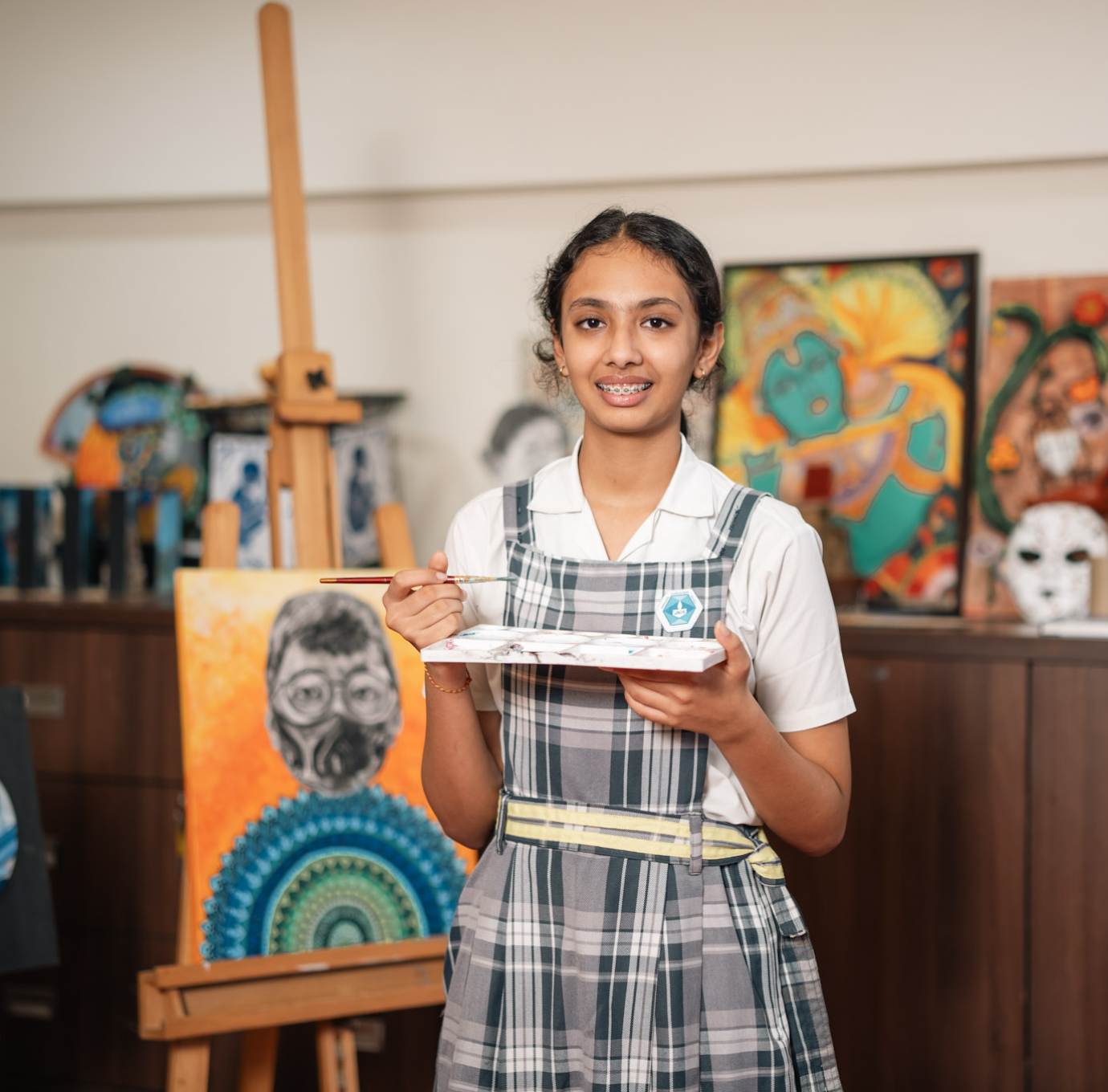

Encourages students to ask meaningful questions, investigate ideas and construct understanding through discovery.
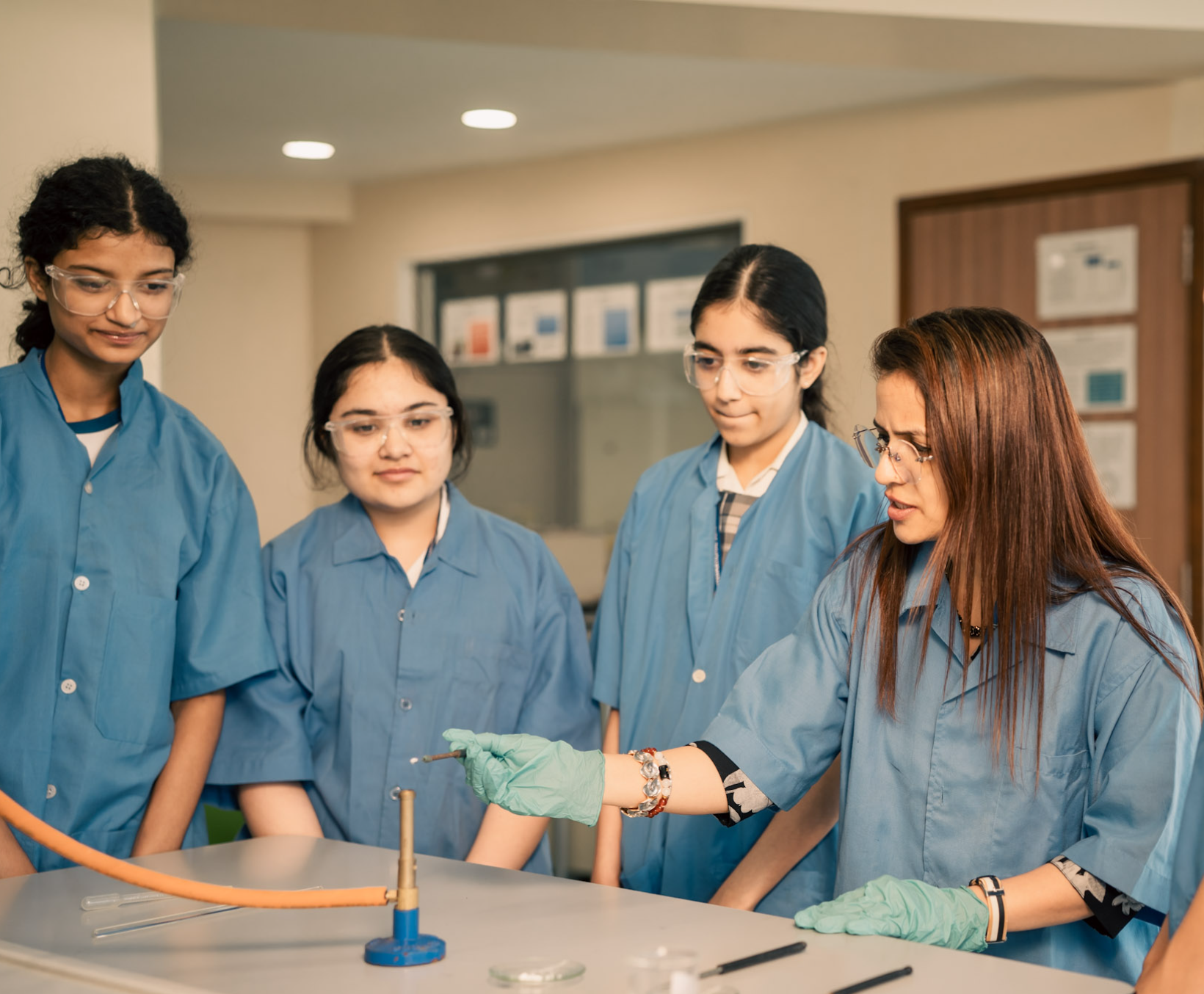



A concept based learning environment that encourages MYP learners' curiosity to evolve into ideas and trains them to turn ideas into actionable solutions.
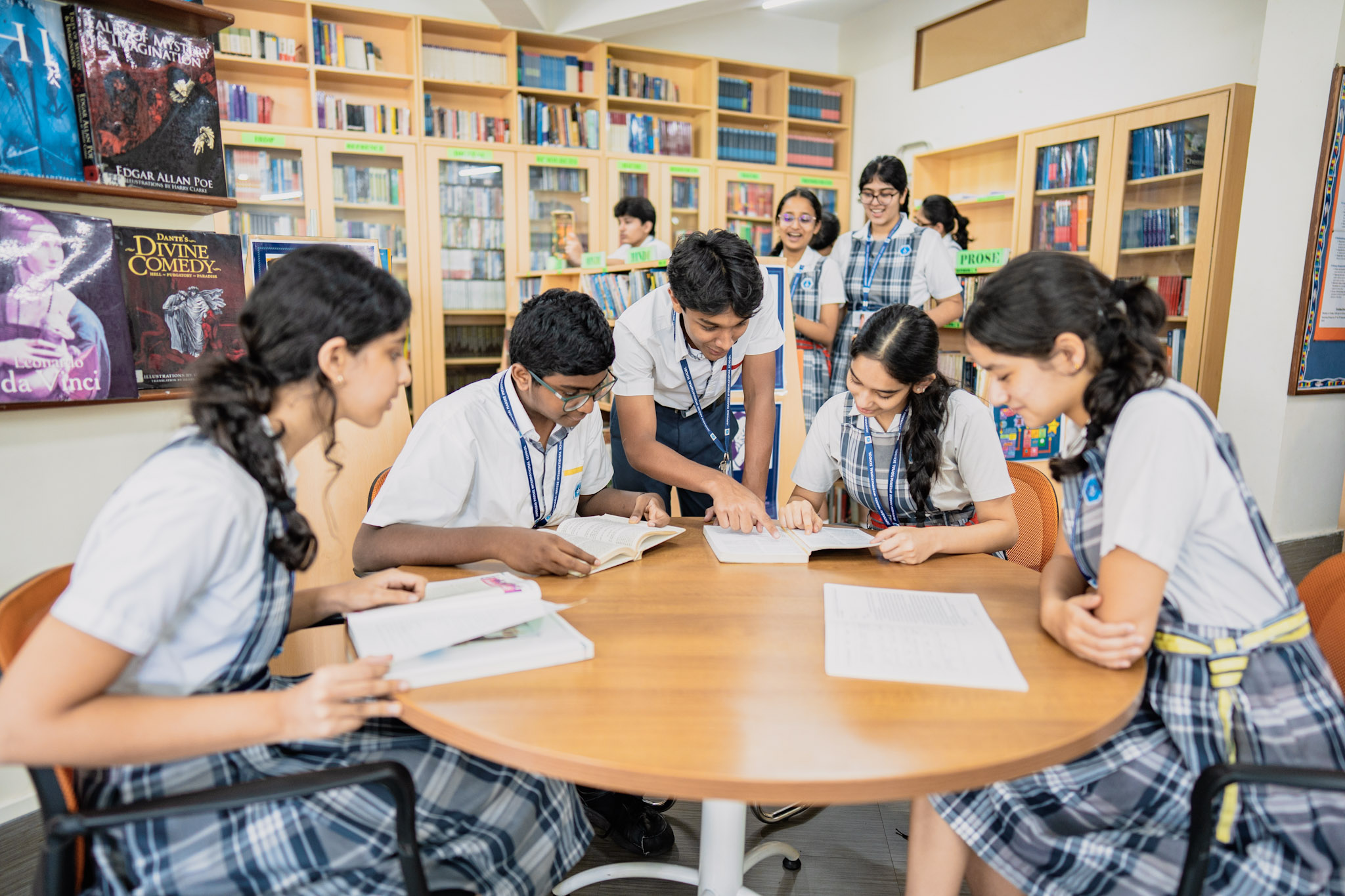
A vibrant space for inquiry and independent learning, where MYP students explore diverse resources, pursue interests and deepen their understanding through reading, research and discovery.
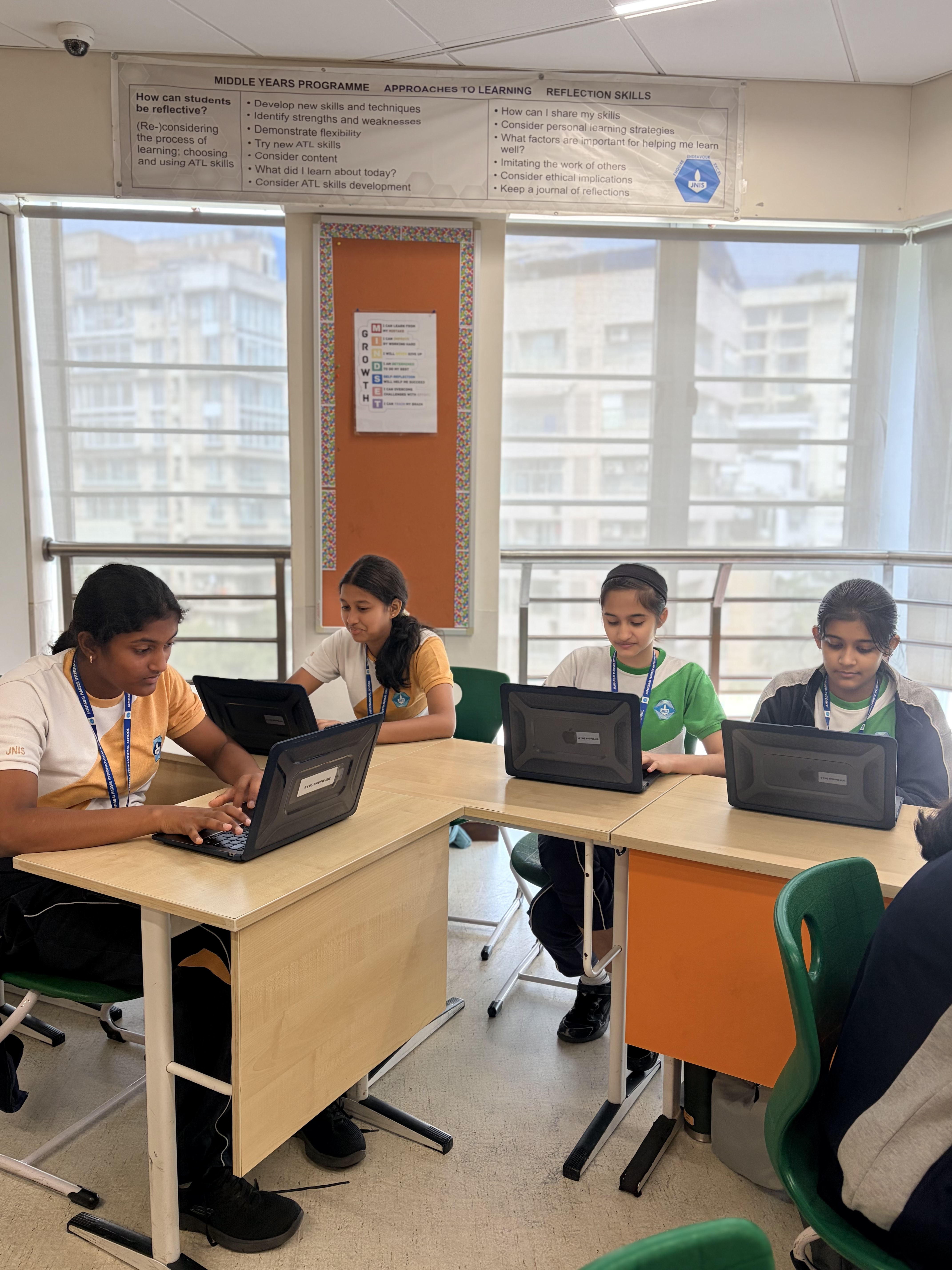
Students have seamless access to digital tools, platforms and resources that support research, collaboration and creativity. Technology is integrated meaningfully, enabling independent exploration and deeper learning.
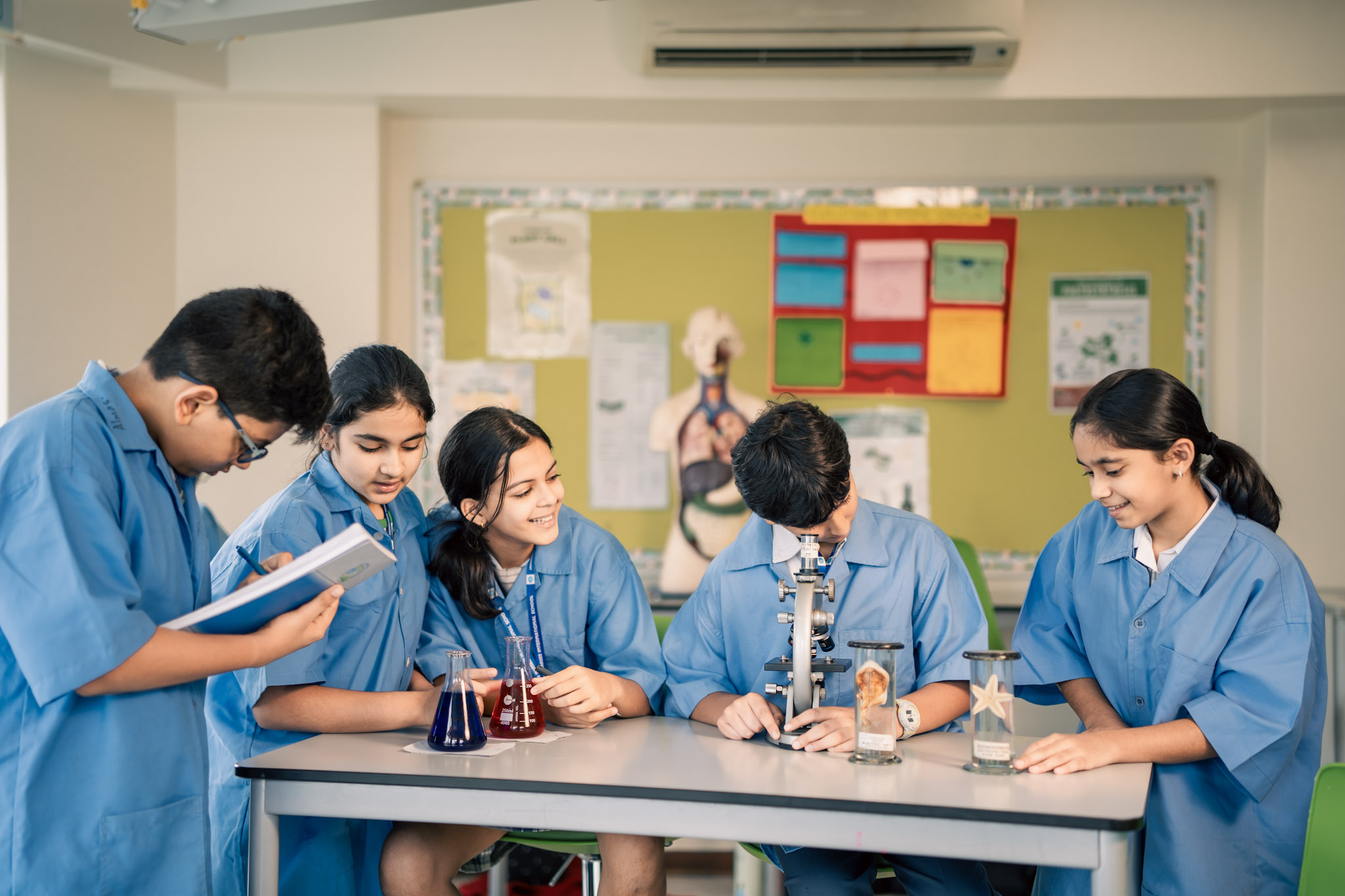
Our state-of-the-art labs transform curiosity into discovery, giving students opportunities to experiment, observe and investigate. Through hands-on exploration, they develop scientific thinking and solve real world problems creatively.
Beyond the classroom, students lead, learn and celebrate within a school community where parents and teachers work together to support every child's growth.
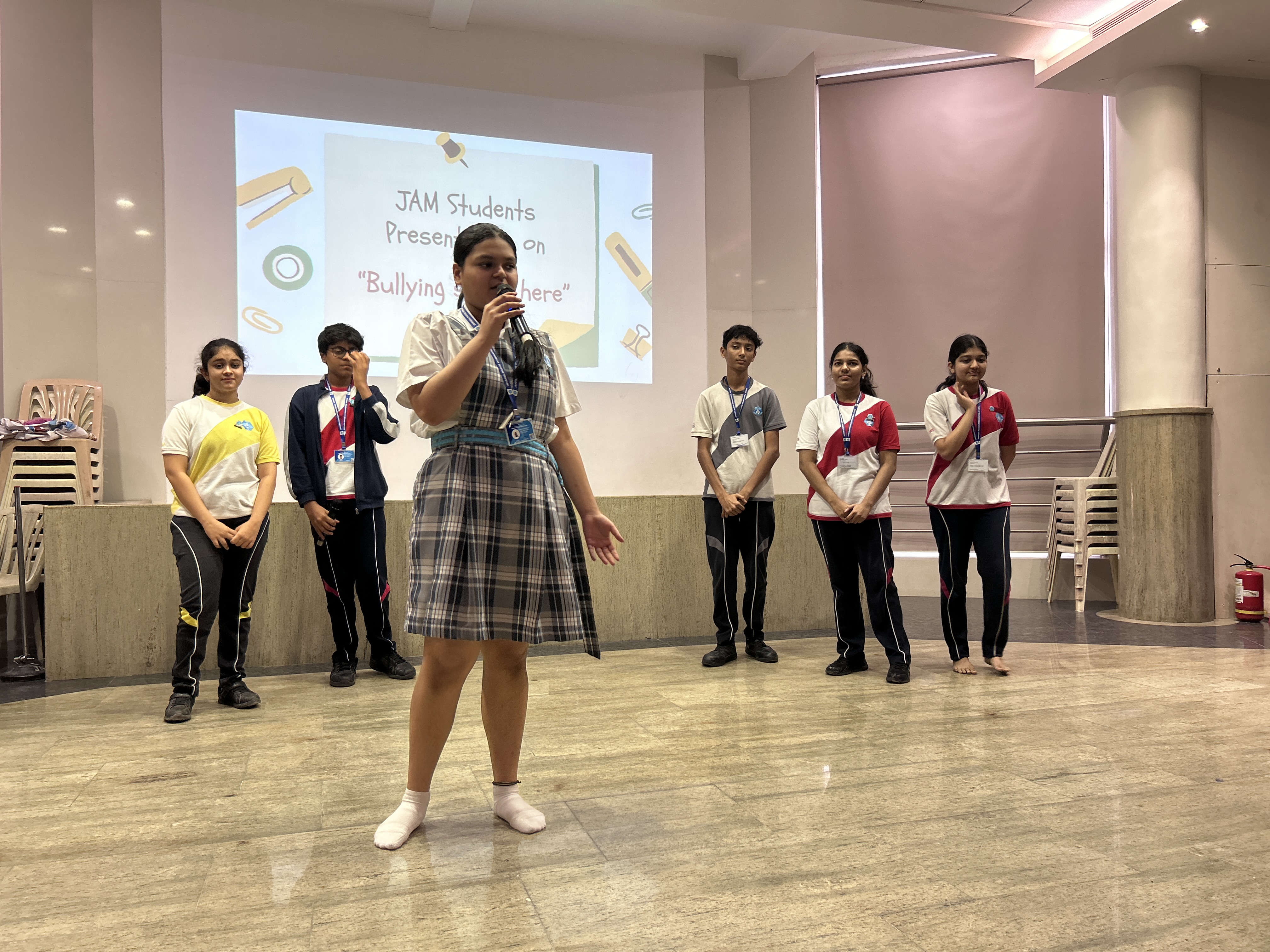
Empower students to share ideas, lead discussions, celebrate learning and engage thoughtfully with their community.
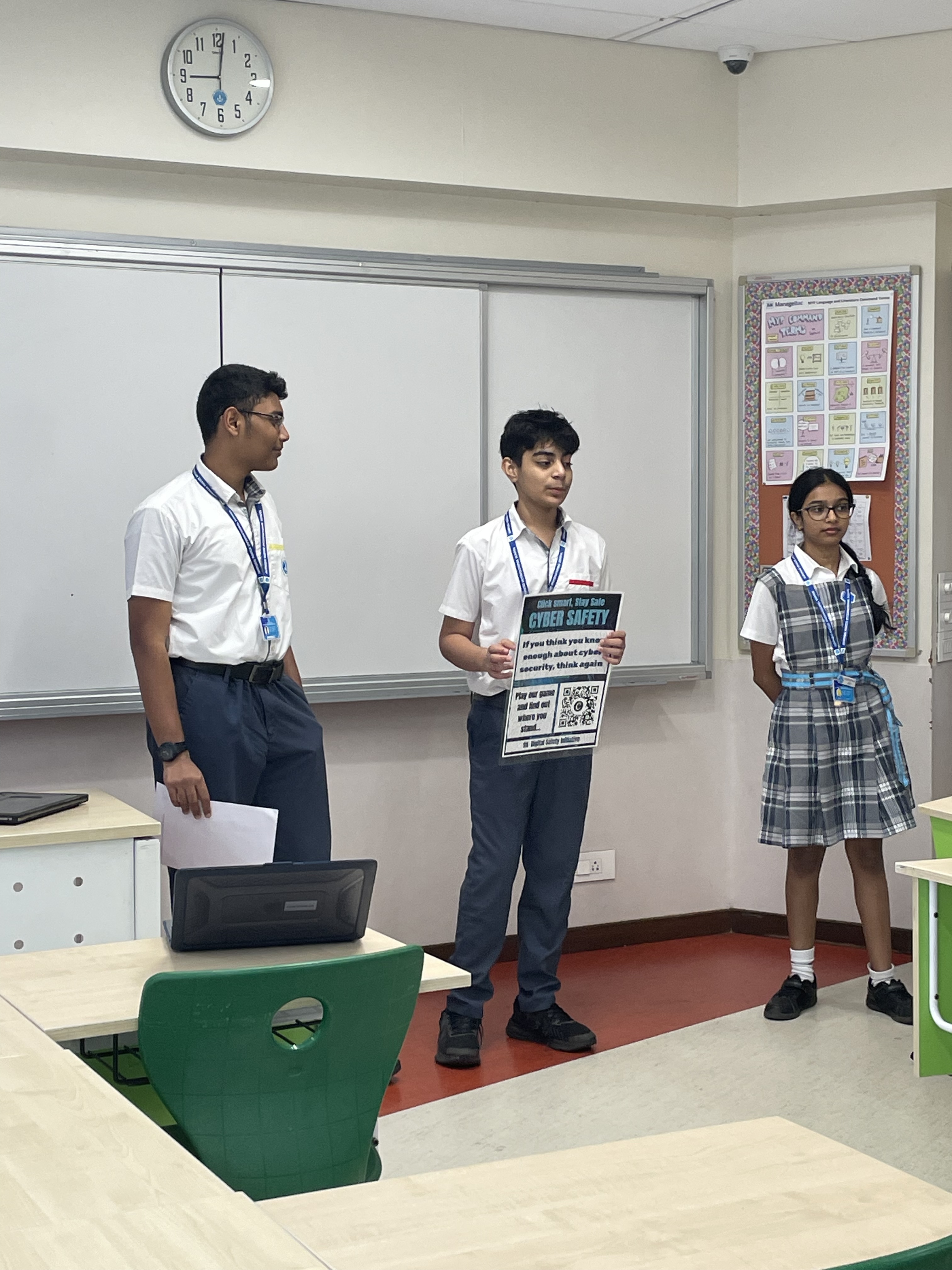
Celebrates language and expression, encouraging students to read critically and engage with diverse perspectives.
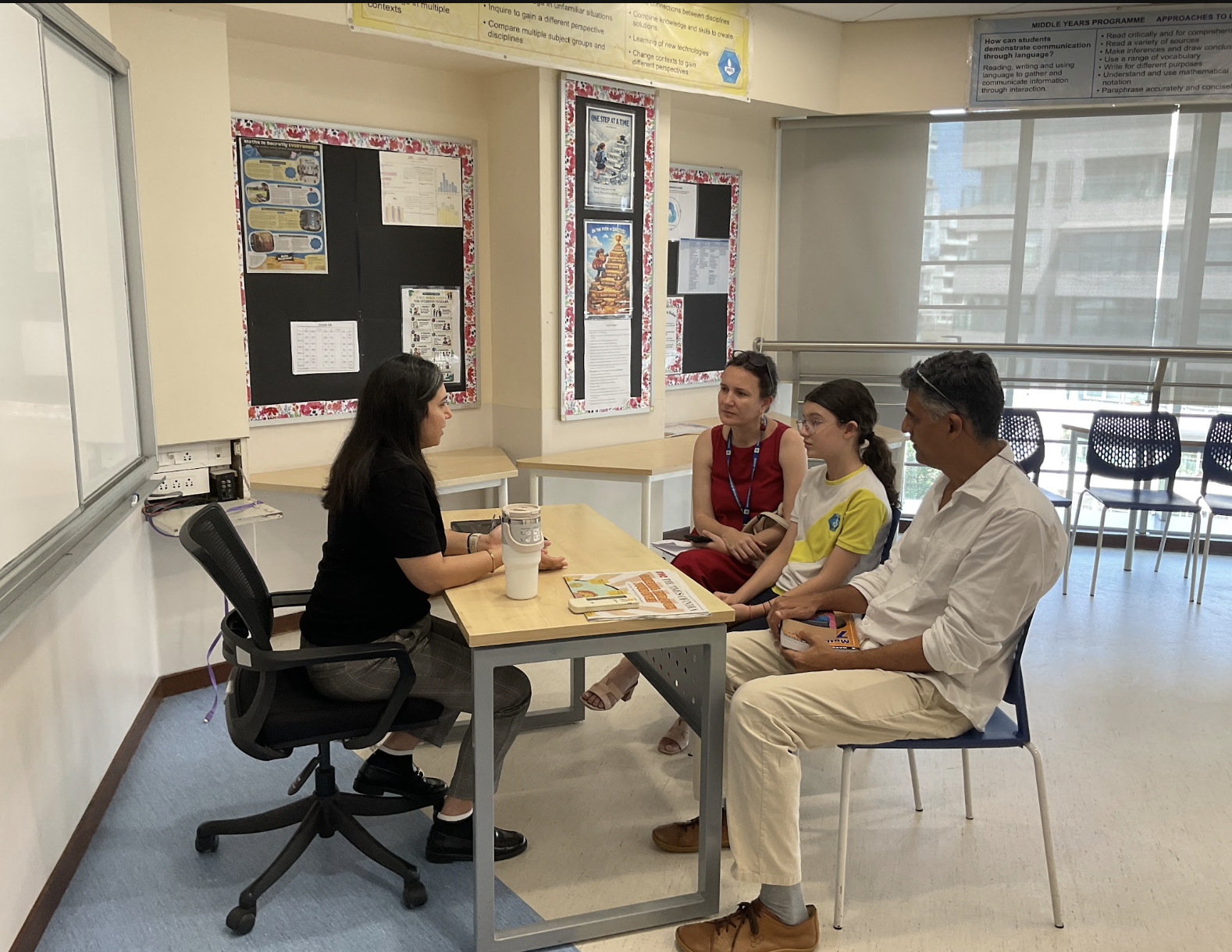
It creates meaningful dialogue between parents and teachers, supporting student progress, wellbeing and personalised learning.
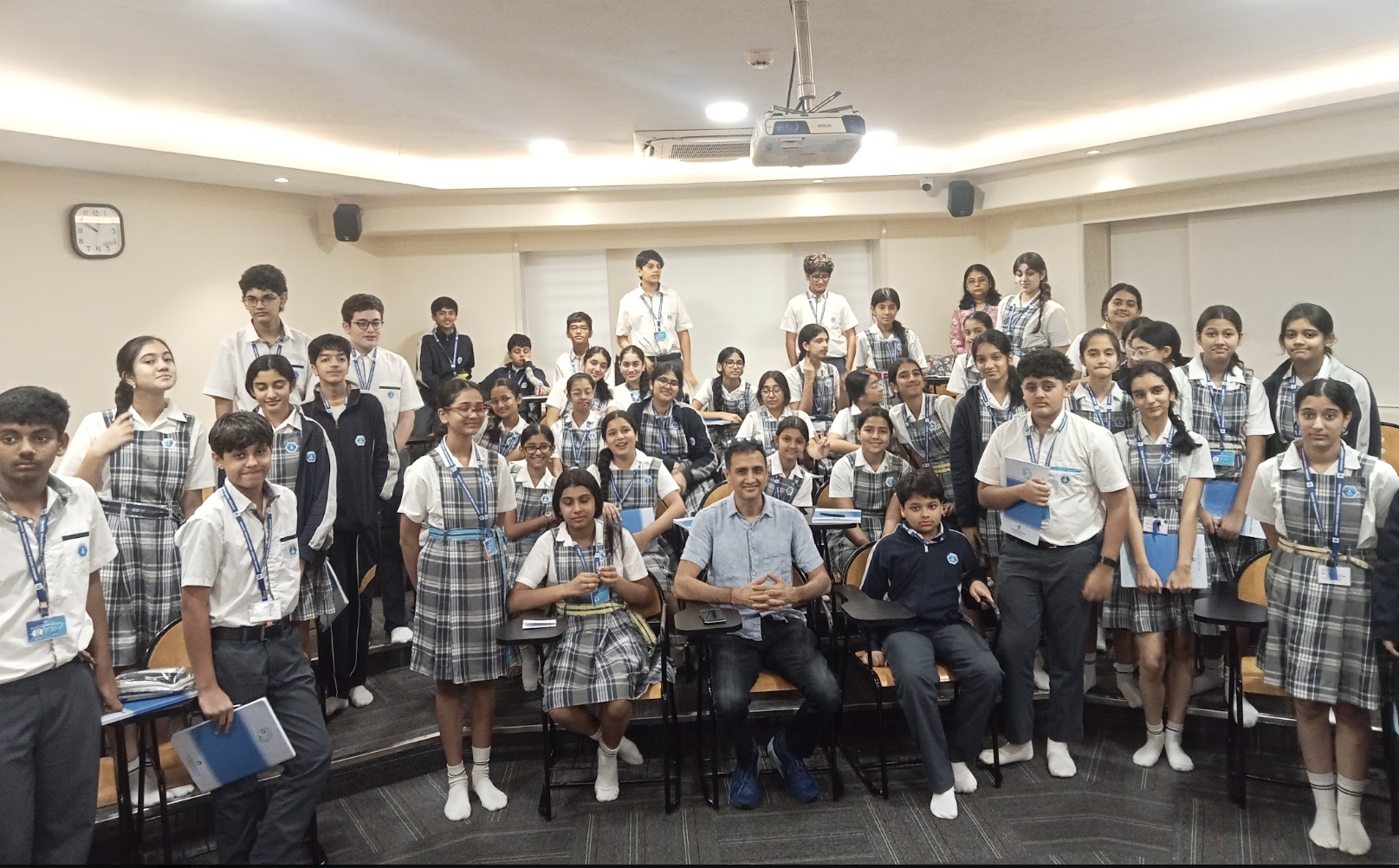
Students engage with diverse voices, broadening their thinking and connecting learning beyond school.
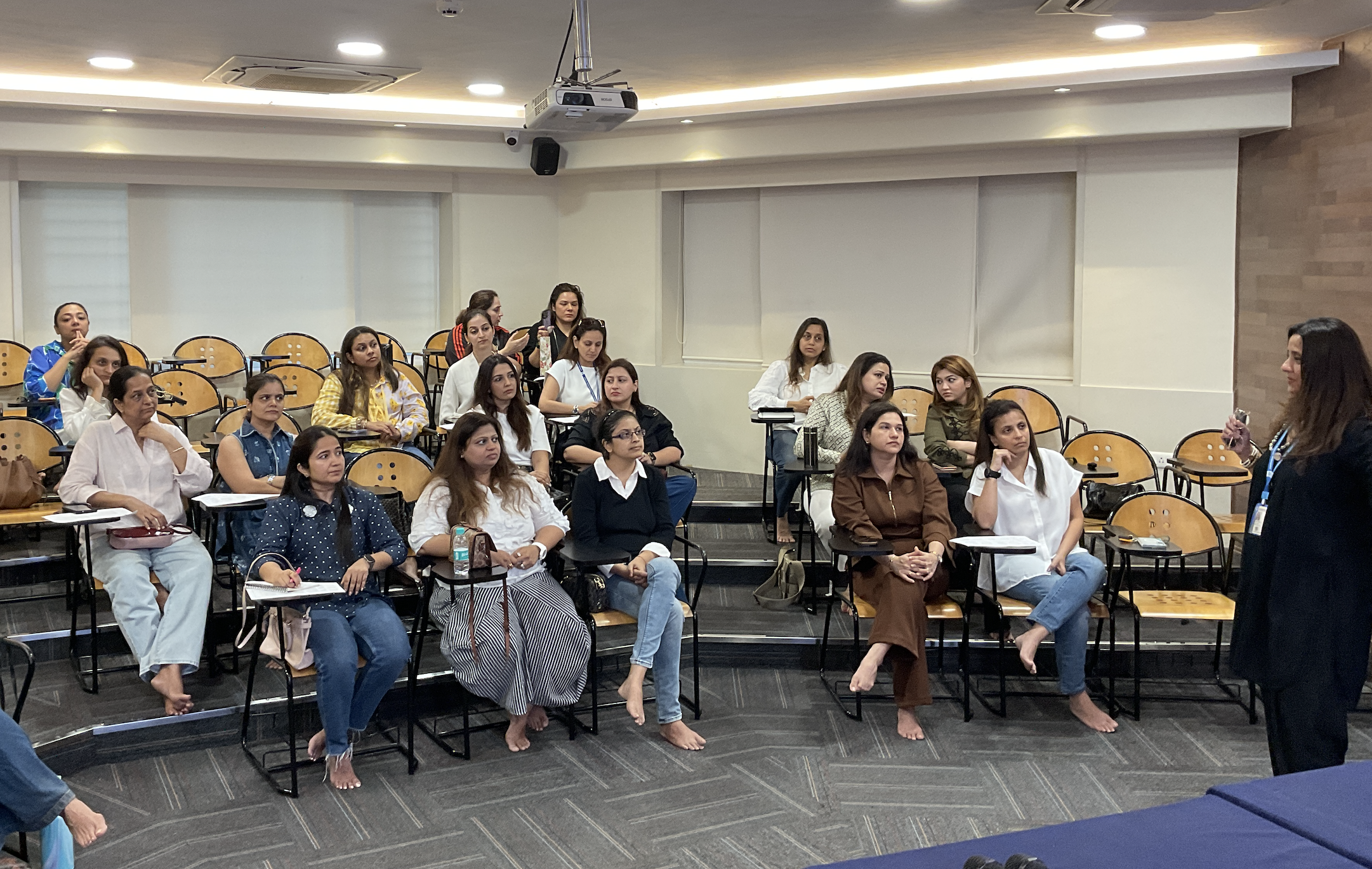
Parents connect with co-ordinators to explore learning practices and support their child’s evolving journey.
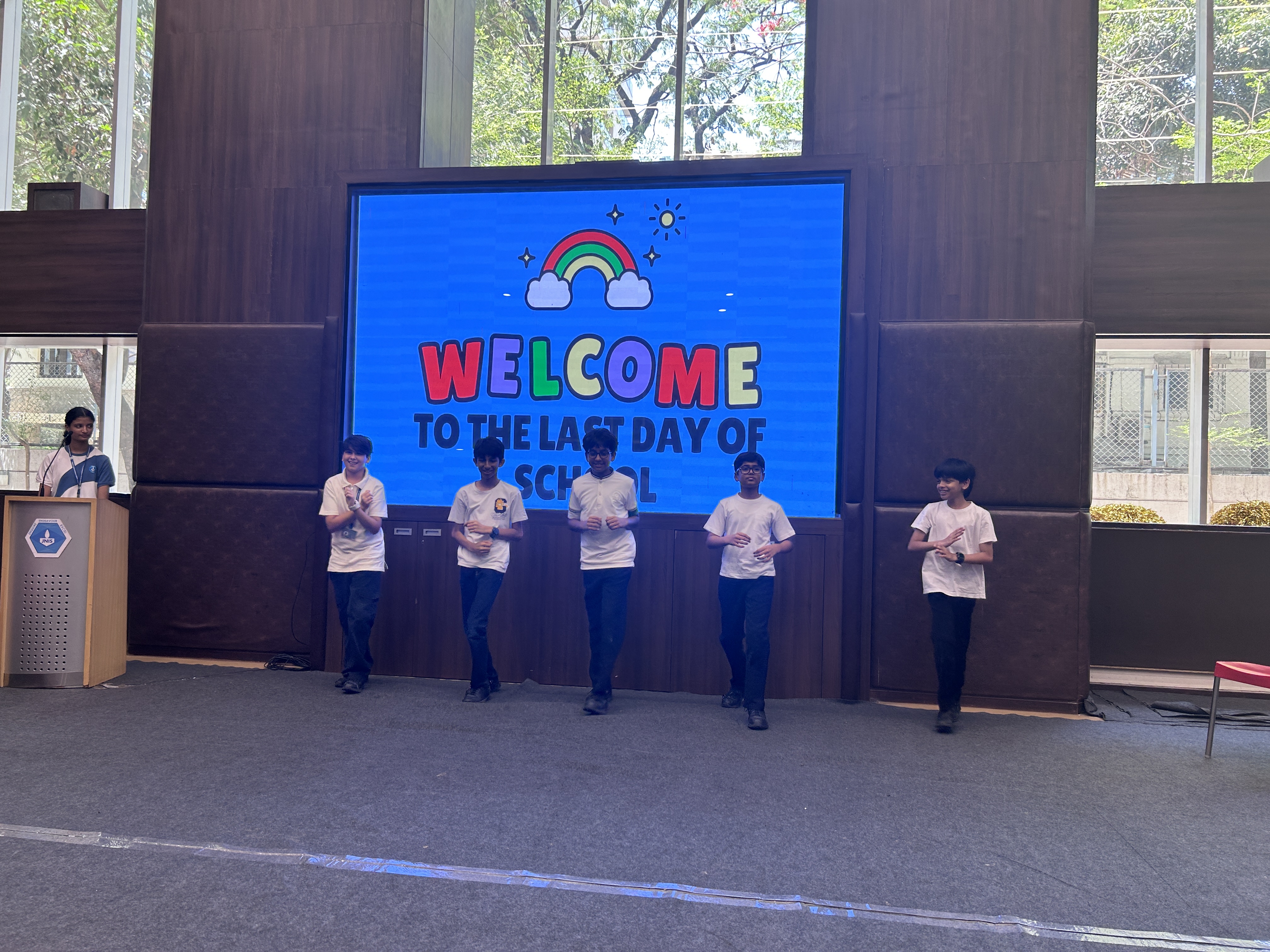
Brings the MYP community together to celebrate student growth, achievements and the year’s shared journey.
In our STEM lab, students build computational thinking and programming skills through games, animations and Python projects, creating efficient programs that solve real problems and lay the foundation for automation, AI and robotics.
Share ideas, communicate and build solutions together.
Question, experiment and investigate how the world works.
Design, build, test and improve ideas into real-world solutions.
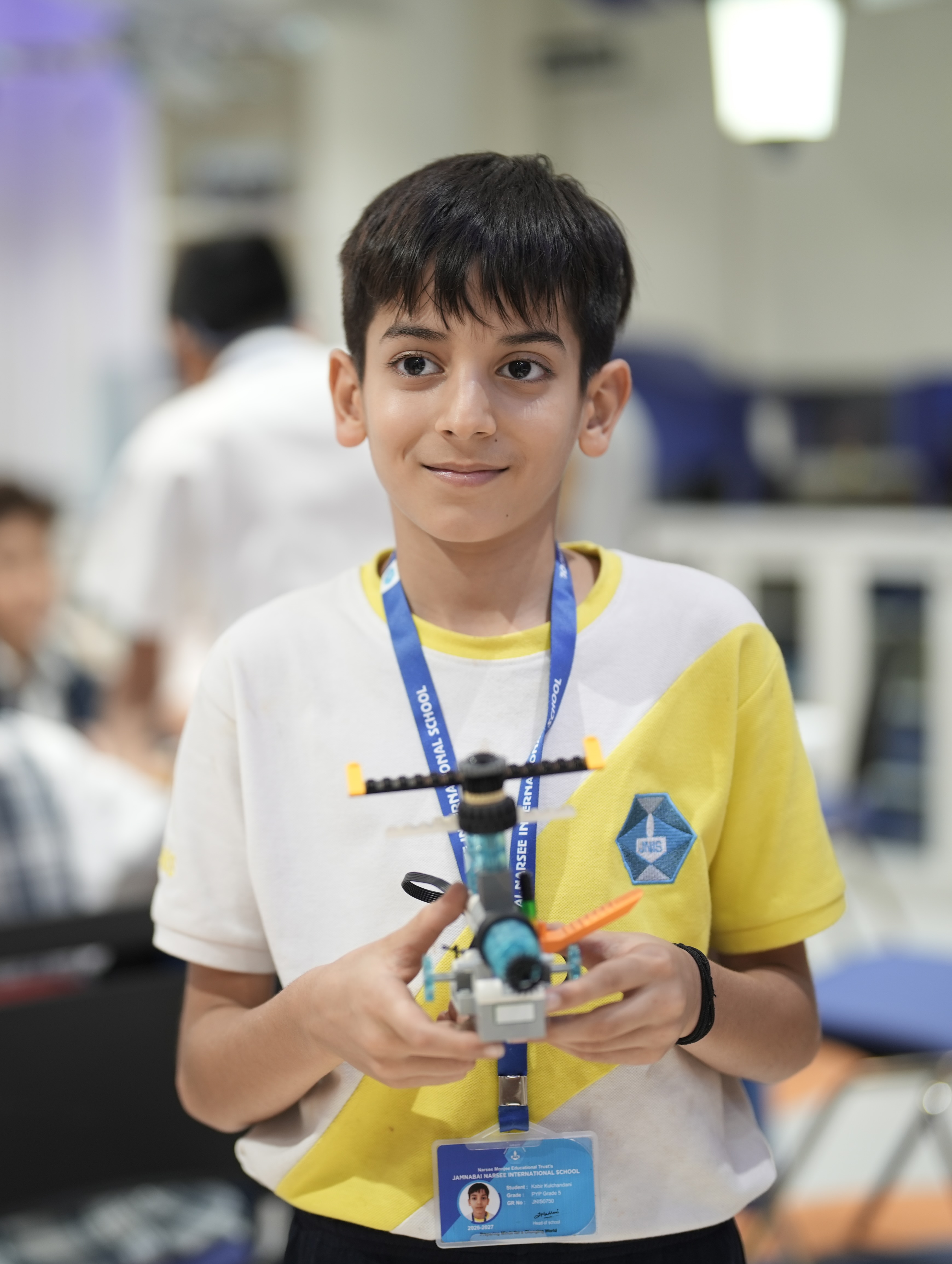 Creative Collaboration
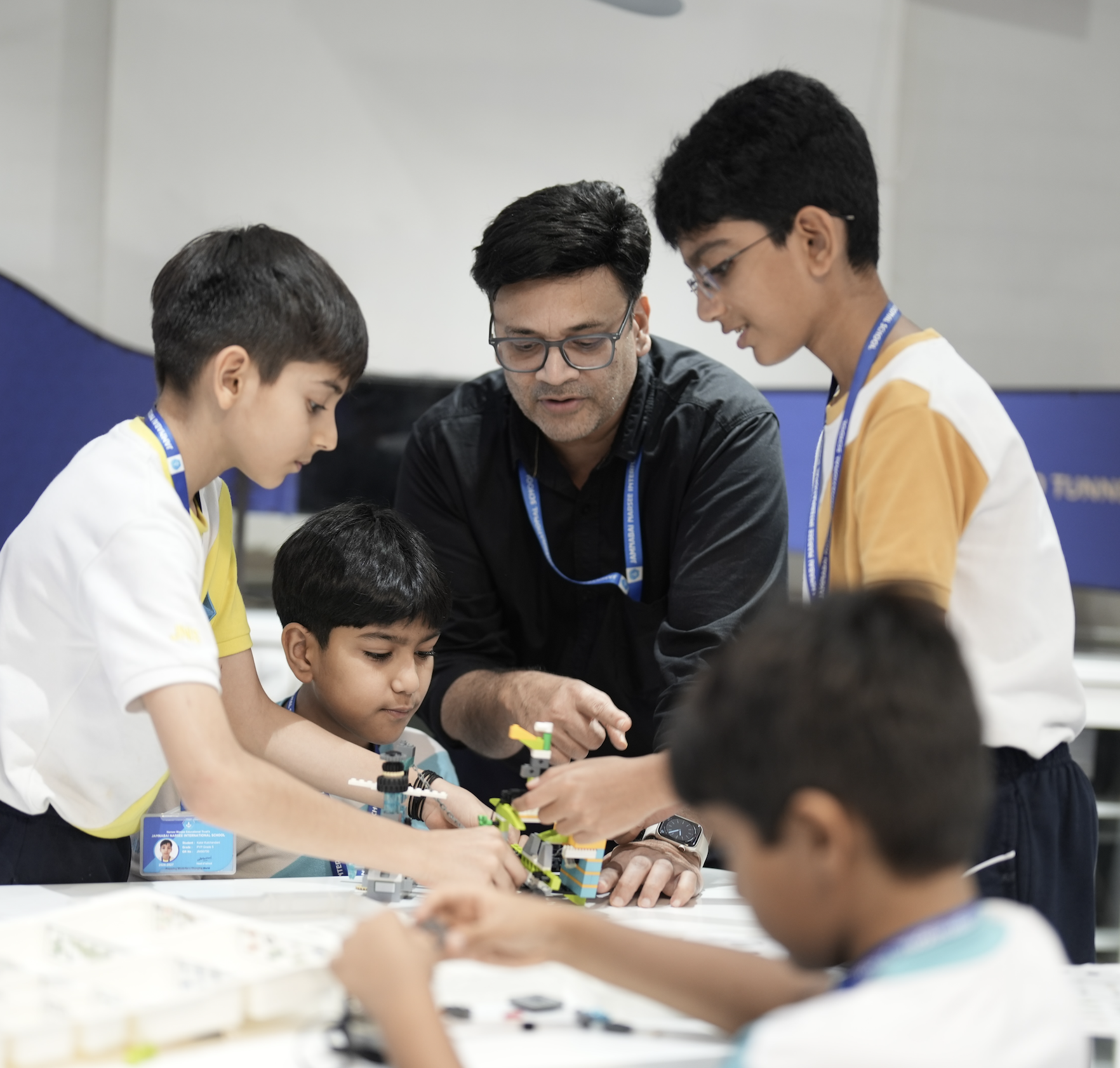 Hands-On Learning
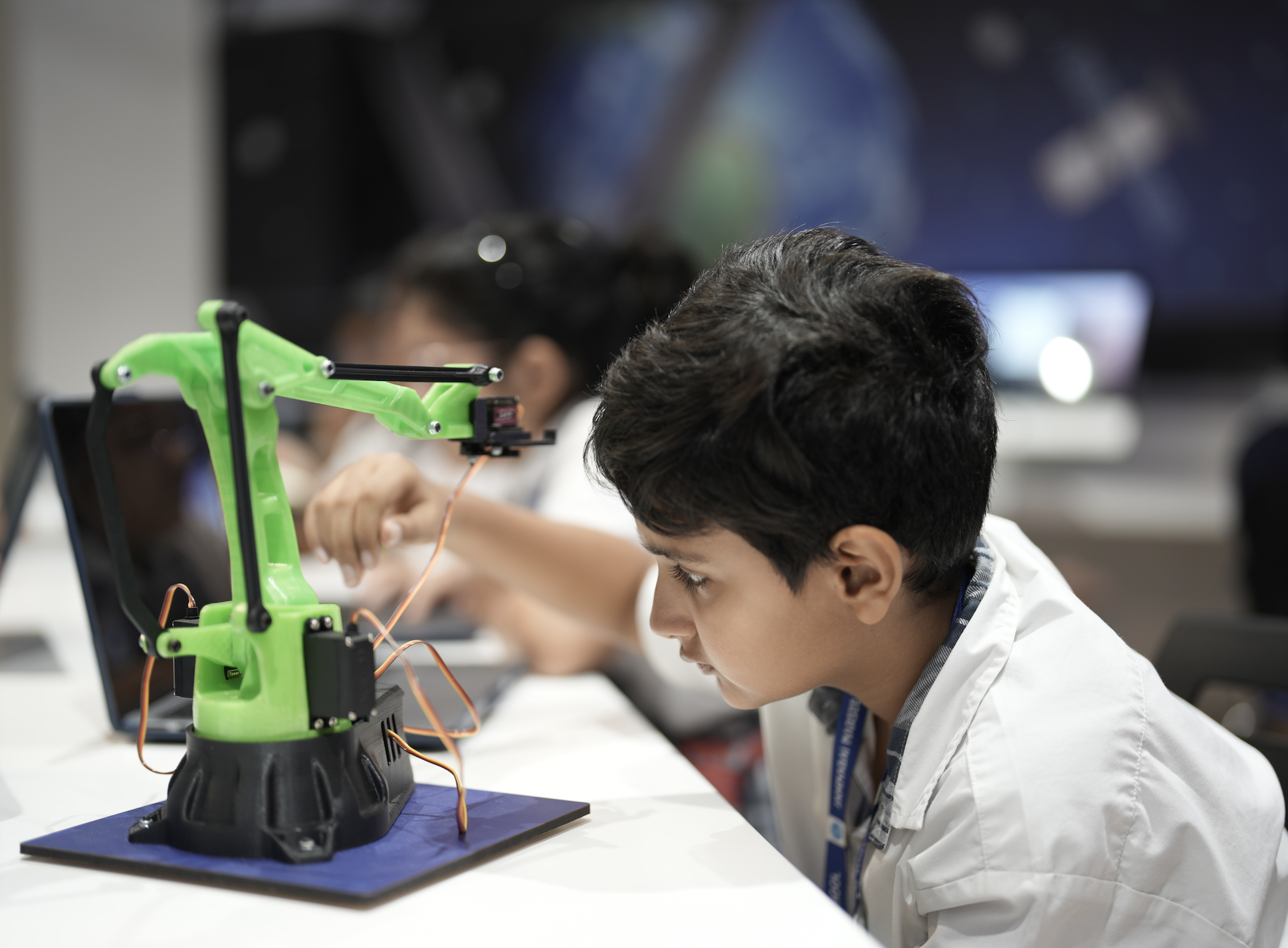 Future Ready
The Personal Project gives MYP students the opportunity to turn an idea into reality. Guided by a mentor, they research, plan and develop a project rooted in their interests, culminating in an end-of-year showcase. The experience nurtures creativity, critical thinking and communication while building the confidence to present ideas and bring them to life.
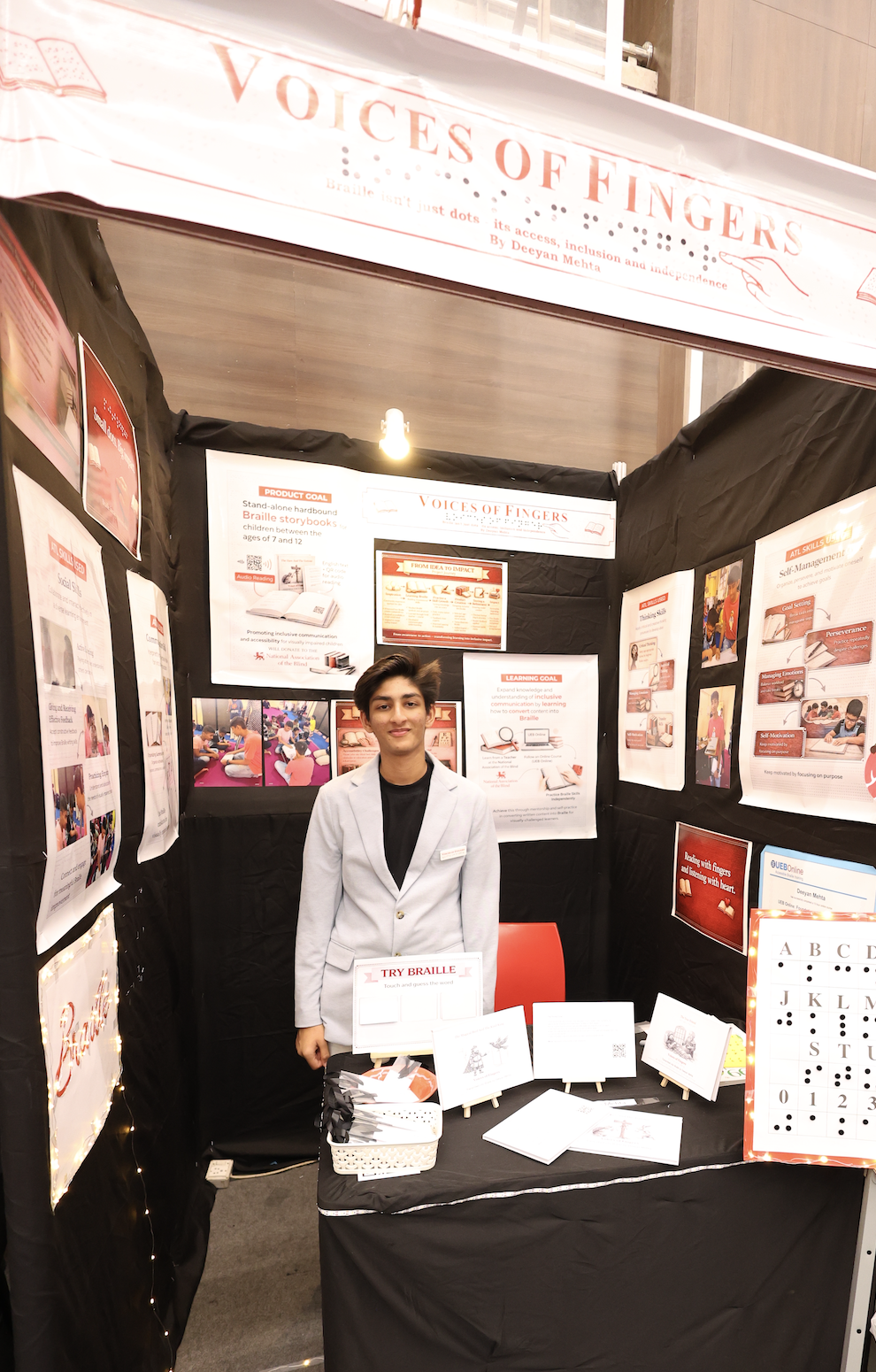
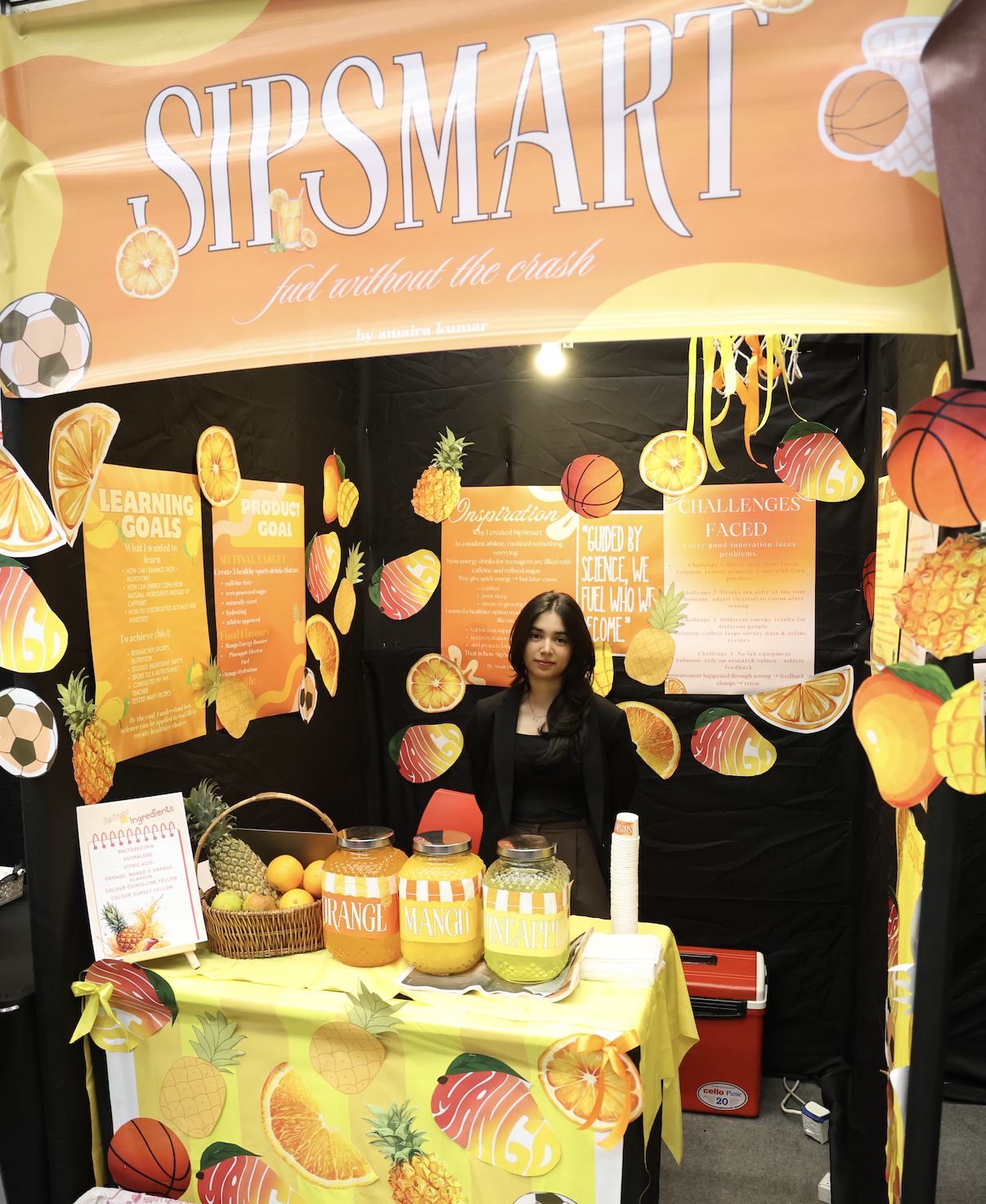
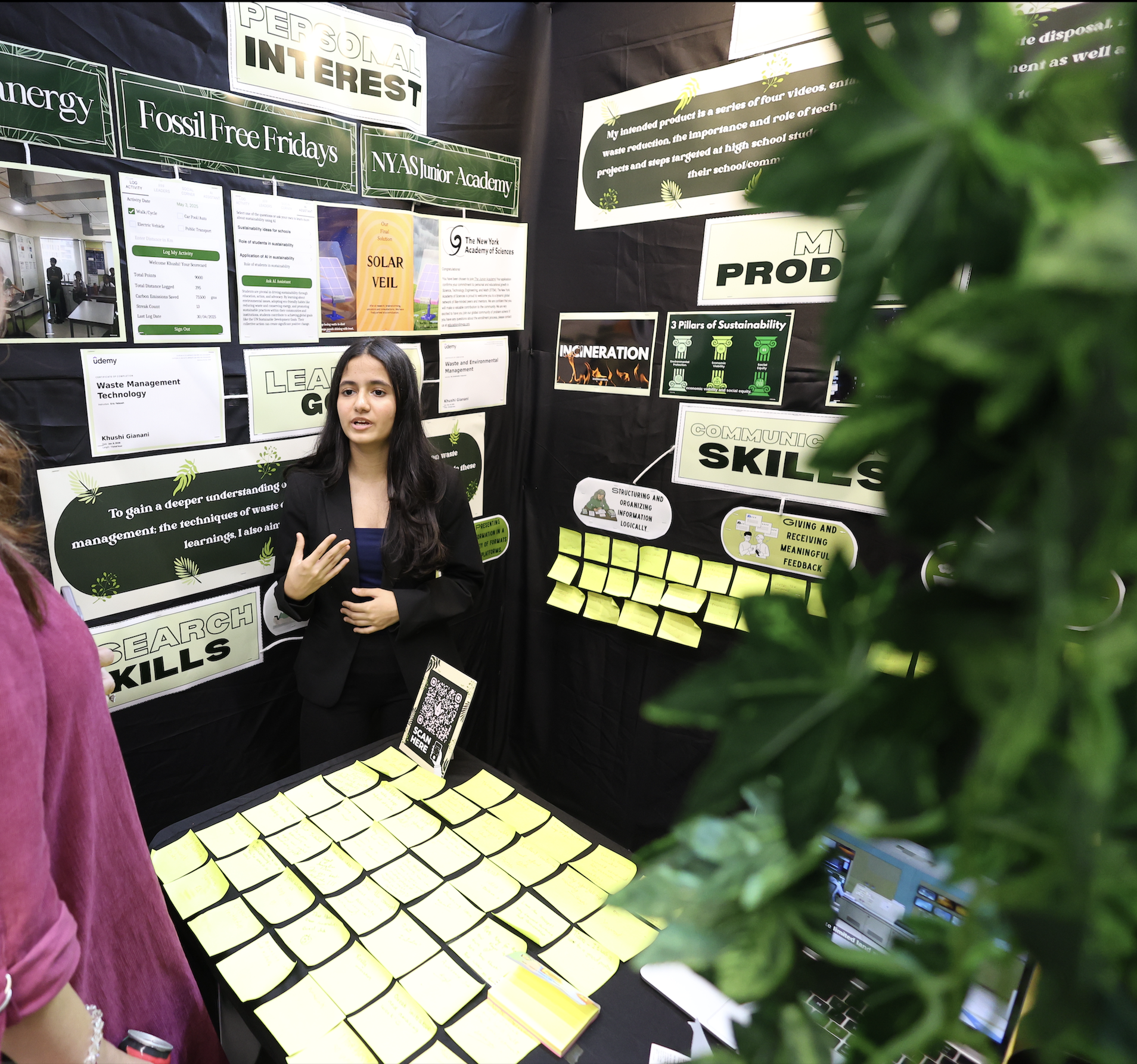










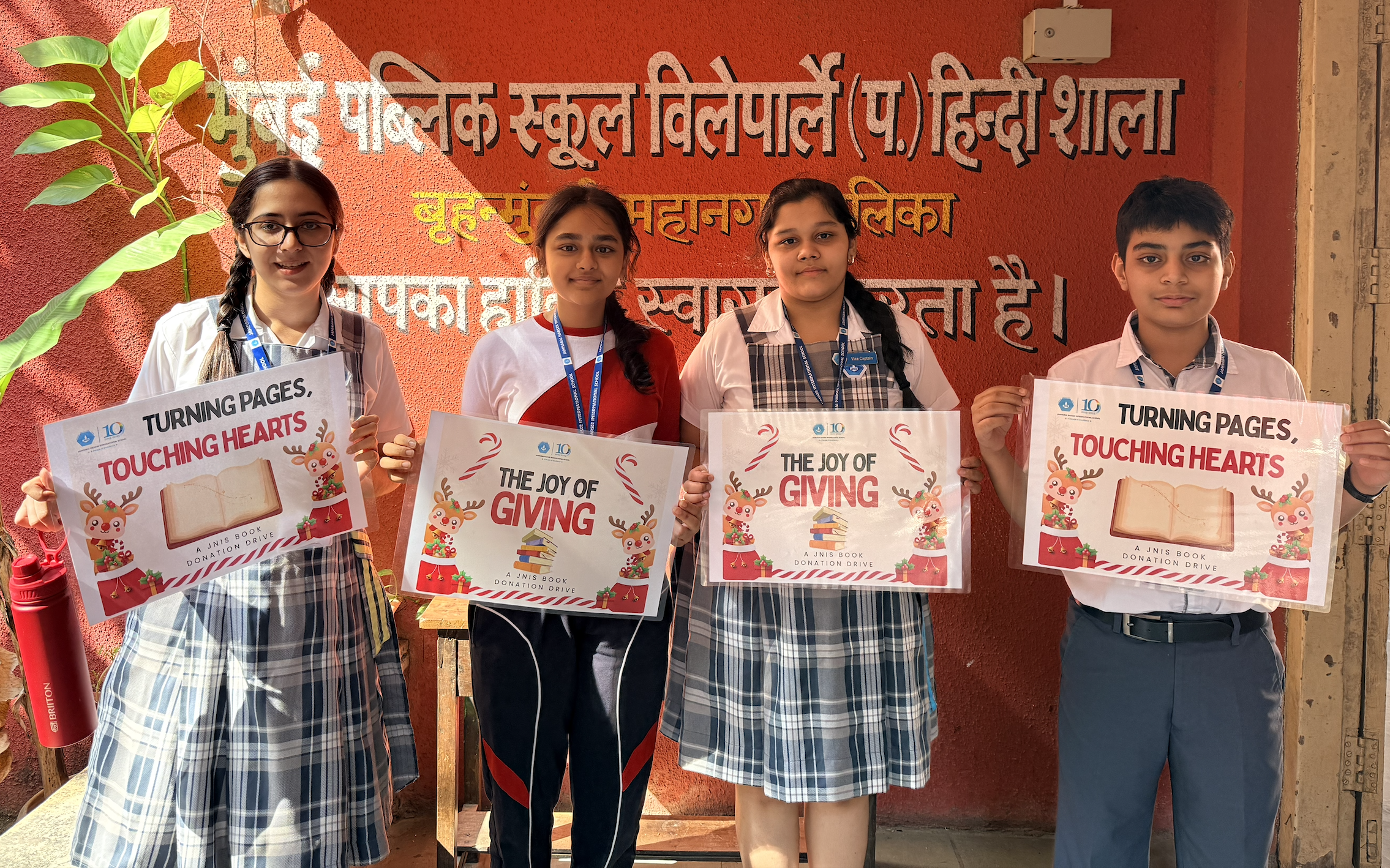
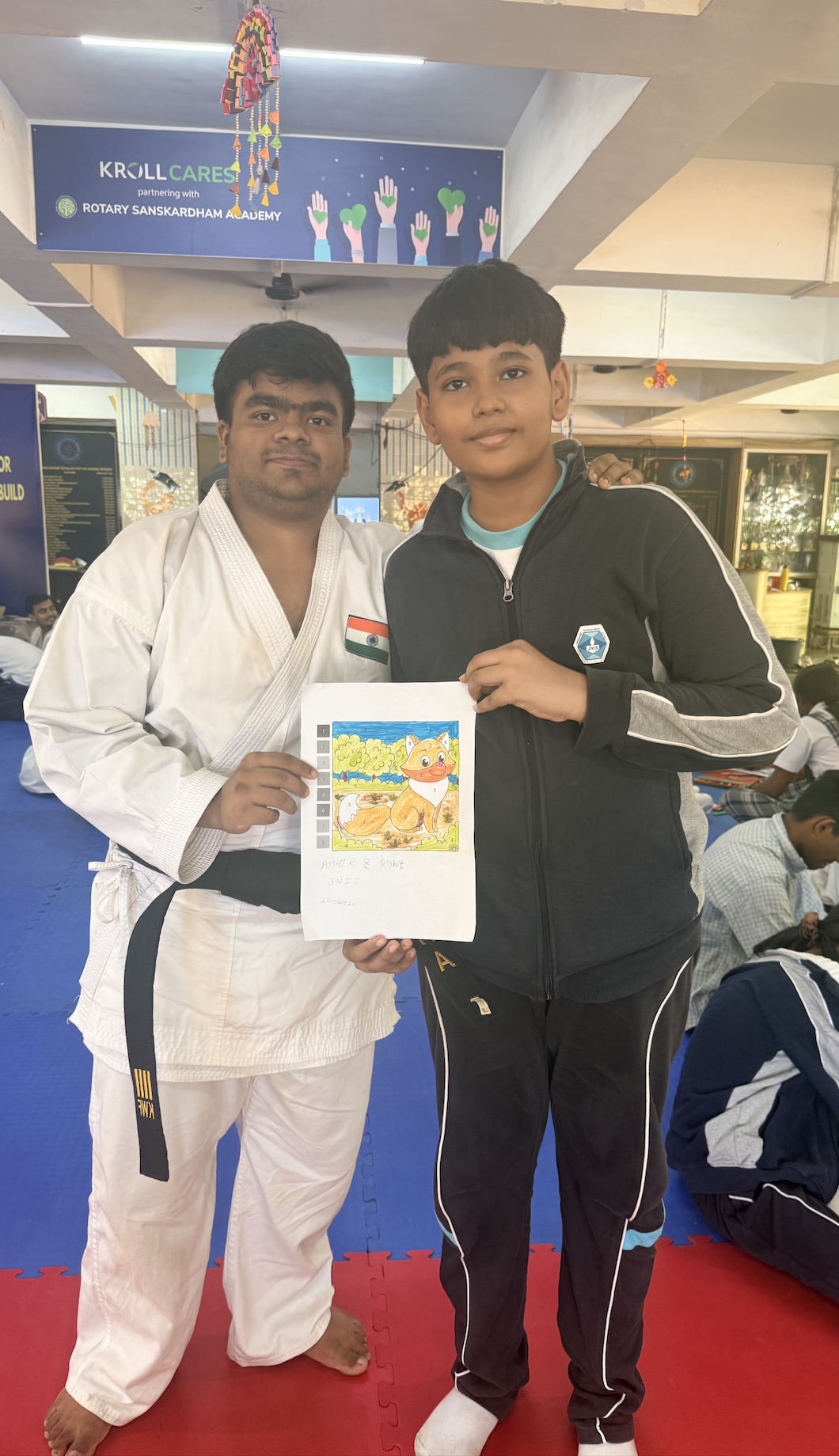
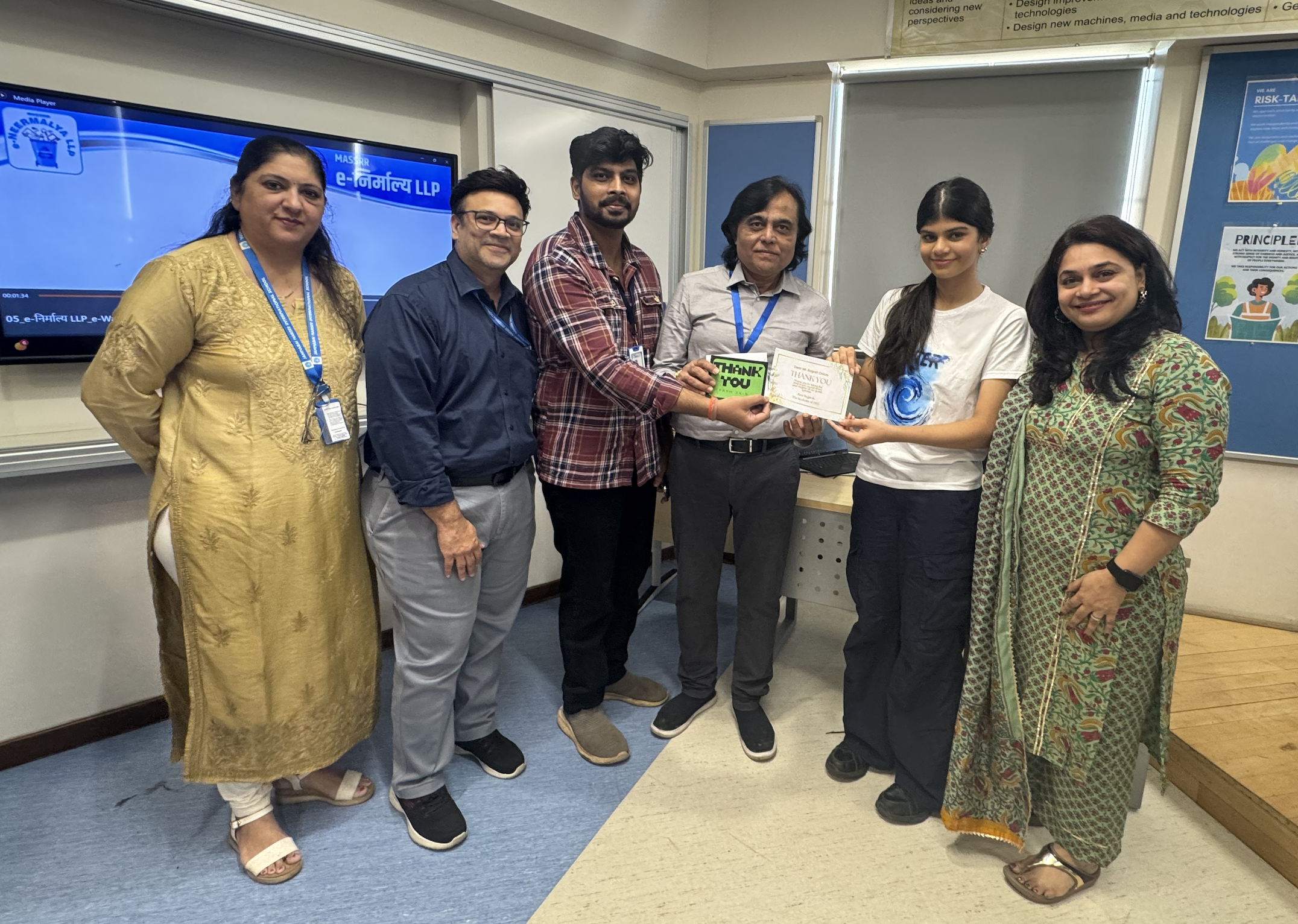
Through Creativity, Activity and Service, students turn their ideas into purposeful action, developing empathy, initiative and a sense of social responsibility.
Students identify meaningful opportunities to contribute, transforming ideas into initiatives that create positive impact. Through creative projects, community engagement and sustainability-focused action, they develop empathy, initiative and the confidence to turn purpose into meaningful change.
Quick answers to what parents ask most about the Middle Years Programme (MYP) at JNIS.
How is the IB Middle Years Programme different from other curriculam?
What is the assessment procedure and what does the gradin system of 1-7 mean?
How can parents nurture independent learning without taking over the process?
How does the MYP prepare students for the IB Diploma Programme and university?
What are Approaches to Learning (ATL) skills, and why are they important?
What are the Personal Project and Service as Action?